Active case
Cape Grim massacre

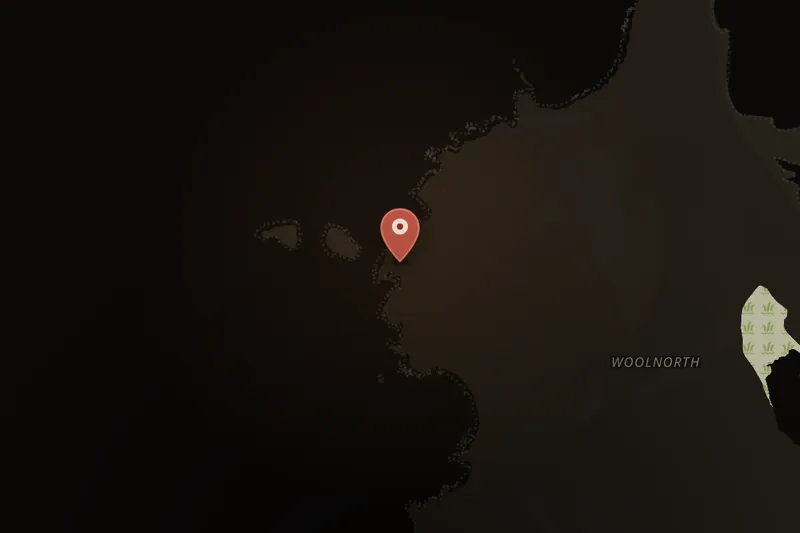
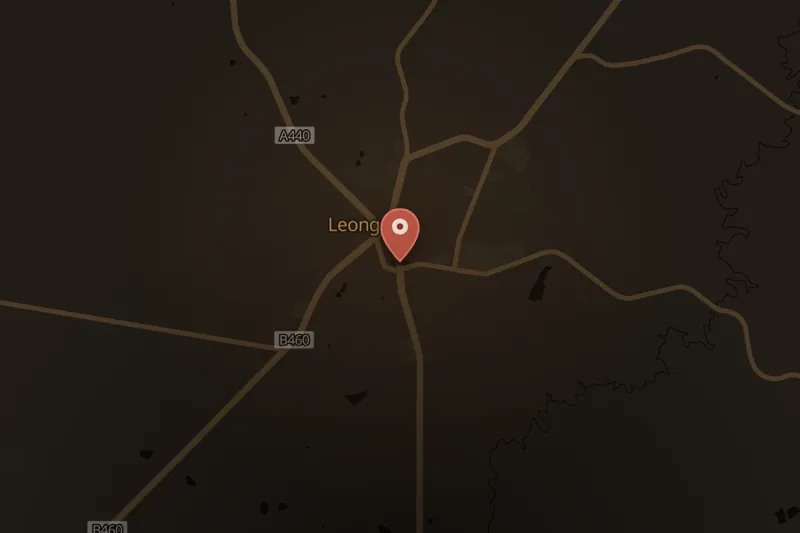
The Cape Grim massacre refers to an attack on 10 February 1828 at a beach in the north-west of Van Diemen's Land (Tasmania), now known as Taneneryouer (formerly Suicide Bay). A group of Aboriginal Tasmanians, believed to be from the Peerapper clan, were gathering muttonbirds and shellfish near an island outcrop known as The Doughboys when they are said to have been surprised and shot by four Van Diemen's Land Company (VDLC) shepherds. Some bodies were reportedly thrown from a cliff approximately 60 metres (200 ft) high. Death toll estimates vary widely across sources: convict Charles Chamberlain and an unnamed Aboriginal woman both told investigator George Augustus Robinson that around 30 people were killed, while VDLC Chief Agent Edward Curr initially reported six dead, and later revised this to three in a letter to Governor George Arthur.
The massacre occurred amid escalating conflict between the VDLC and Aboriginal clans of the North West nation, conflict historians trace partly to the abduction and rape of Aboriginal women by sealers and company workers. The immediate triggers were a December 1827 clash in which a shepherd was speared after Peerapper women were lured into a hut, followed by a Peerapper raid that destroyed 118 company sheep on 31 December 1827, and a subsequent punitive night raid in which VDLC ship captain Richard Frederick reportedly helped shepherds kill 12 men at a Peerapper camp.
News of the killings did not reach Governor Arthur for nearly two years. It surfaced only after VDLC agricultural superintendent Alexander Goldie wrote to Arthur in November 1829, describing his own involvement in Aboriginal killings and referencing the earlier events at Cape Grim. Arthur dispatched Robinson, who held an unofficial role as Aboriginal conciliator, to investigate. In June 1830, Robinson interviewed convict shepherd Charles Chamberlain, who admitted involvement and estimated 30 deaths, describing bodies being thrown "down the rocks where they had thrown the sheep." Robinson also interviewed a group of Aboriginal women who corroborated the account, and later spoke with a second shepherd, William Gunchannon, who admitted presence but was reluctant to detail the killings, reportedly saying he would "shoot them whenever he met them." The other two shepherds involved were not interviewed by Robinson: one had drowned and the other had relocated to Hobart.
Curr's own account to VDLC directors differed sharply from Robinson's findings, describing the shepherds as acting in self-defense against an advancing party they believed intended to attack. Historians examining the case, including Ian McFarlane, have argued Curr's version is implausible given the site's terrain and the shepherds' likely tactical position. Author Keith Windschuttle has disputed the scale of the massacre or its occurrence in the form described by Robinson, based on his own site inspection and arguing the terrain made a surprise attack and mass killing implausible.
The exact clan affiliation of the victims remains uncertain given the presence of multiple tribes in the area at the time, though historian Lyndall Ryan identifies them as members of the Peerapper clan. The massacre is considered part of the broader "Black War" period of conflict between British colonists and Aboriginal Australians in Tasmania.

Key facts
- Victims
- On file
- Date
- 1828
- Location
- Taneneryouer (formerly Suicide Bay), near Cape Grim/Kennaook
- Case status
- unsolved
Case timeline
1810
Violent conflict begins between sealing parties and Aboriginal clans of the North West nation after sealers abduct women.
1820
Sealers ambush and abduct Pennemukeer women near The Doughboys; Pennemukeer men respond by killing three sealers.
1824
The Van Diemen's Land Company is formed in London to farm sheep for wool.
1826
The Van Diemen's Land Company arrives in north-west Van Diemen's Land, occupying Aboriginal hunting grounds at Cape Grim and Circular Head.
1827-12
Shepherd Thomas John is speared after Peerapper women are lured into a hut; several Peerapper men, including a chief, are shot dead.
1827-12-31
A Peerapper party destroys 118 company ewes in reprisal, driving many over a cliff.
1828-01-14
Curr reports to VDLC directors the voyage of the ship Fanny and a night-time encounter with a Peerapper camp.
1828-02
According to Rosalie Hare's journal, VDLC ship captain Richard Frederick assists shepherds in a night raid killing 12 men.
1828-02-10
Four VDLC shepherds reportedly ambush and shoot a group of Aboriginal people at Taneneryouer beach, with bodies of some victims thrown from a cliff.
1828-02-28
Curr provides VDLC directors his first brief written account of the 10 February incident, reporting six Aboriginal deaths.
1829-11
VDLC superintendent Alexander Goldie writes to Governor Arthur describing his own involvement in Aboriginal killings and referencing the Cape Grim incident, bringing it to official attention.
1830-06-16
George Augustus Robinson interviews convict shepherd Charles Chamberlain, who states approximately 30 people were killed.
1830-06-20
Robinson interviews a group of Aboriginal women who corroborate details of the massacre.
1830-08-10
Robinson interviews convict William Gunchannon, who admits presence at the massacre but is reluctant to give details.
1830-10-07
Curr provides VDLC directors a more detailed but differing account of the 10 February events.
1831-05
Governor Arthur confronts Curr with Robinson's findings at Jericho; Curr later writes disputing the death toll, claiming his impression was that three Aboriginal people were killed.
1835
According to historian Ian McFarlane, the Aboriginal population of the region had dwindled from 400-500 to just over 100.
Best coverage
No approved coverage links are attached yet.
People
Alexander Goldie
LAW ENFORCEMENTVan Diemen's Land Company agricultural superintendent whose 1829 letter to Governor Arthur, confessing his own involvement in killing Aboriginal people, brought the Cape Grim incident to official attention; no charges are recorded as having been brought against him.
George Augustus Robinson
LAW ENFORCEMENTUnofficial government Aboriginal conciliator dispatched by Governor George Arthur to investigate the killings, interviewing witnesses including shepherds and Aboriginal women in 1830.
William Gunchannon
LAW ENFORCEMENTConvict shepherd present at the massacre who was interviewed by George Augustus Robinson in 1830; no charges are recorded as having been brought against him.
Edward Curr
LAW ENFORCEMENTChief Agent of the Van Diemen's Land Company and magistrate for the district, who reported on the incident to company directors but did not investigate or notify the Governor; no charges are recorded as having been brought against him.
Charles Chamberlain
LAW ENFORCEMENTConvict shepherd employed by the Van Diemen's Land Company who was present at the massacre and was interviewed by investigator George Augustus Robinson in 1830; no charges are recorded as having been brought against him.
Roles reflect public records and court outcomes at the time of writing — supporting citations are on file under Sources.
Places
Common questions
- What happened to the victim?
- On 10 February 1828, four Van Diemen's Land Company shepherds are said to have ambushed and shot a group of Aboriginal Tasmanians gathering muttonbirds at a beach near Cape Grim, throwing some victims' bodies off a 60-metre cliff, in an attack linked to an escalating cycle of violence during the Black War.
- Where did the massacre happen?
- Taneneryouer (formerly Suicide Bay), near Cape Grim/Kennaook.
- What is the current status of the case?
- Status: unsolved.
Sources
- Suicide Bay renamed to reflect Tasmanian Aboriginal massacre historynews · ABC News (Australia) · 2026-07-07
- Reading Robinson: Companion Essays to George Robinson's Friendly Mission, Chapter 9book · books.publishing.monash.edu · 2026-07-07
- Cape Grim massacrewikipedia · Wikipedia · 2026-07-07