Background
Sir Brian McPhelim O'Neill claimed the title of Lord of Lower Clandeboye, a Gaelic territory in eastern Ulster corresponding to much of what later became County Antrim. His authority had been recognised by the Crown, and he was knighted in 1568 for service to the Crown. In 1571, Queen Elizabeth I authorised a privately funded colonisation ("plantation") of eastern Ulster, granting large portions of Lower and Upper Clandeboye to Sir Thomas Smith and to Walter Devereux, 1st Earl of Essex. Smith's colonists landed on the Ards Peninsula in 1572 but were thwarted by O'Neill, who razed buildings to deny them shelter. In 1573, Essex landed at Carrickfergus with 1,200 soldiers and additional colonists; he too met resistance, seizing some of O'Neill's cattle amid small skirmishes. O'Neill and other Irish lords argued that Essex was acting without the Queen's backing. In October 1574, Essex wrote to the Queen that he intended to "punish" the Irish for their "wilful war and rebellion."
The Massacre
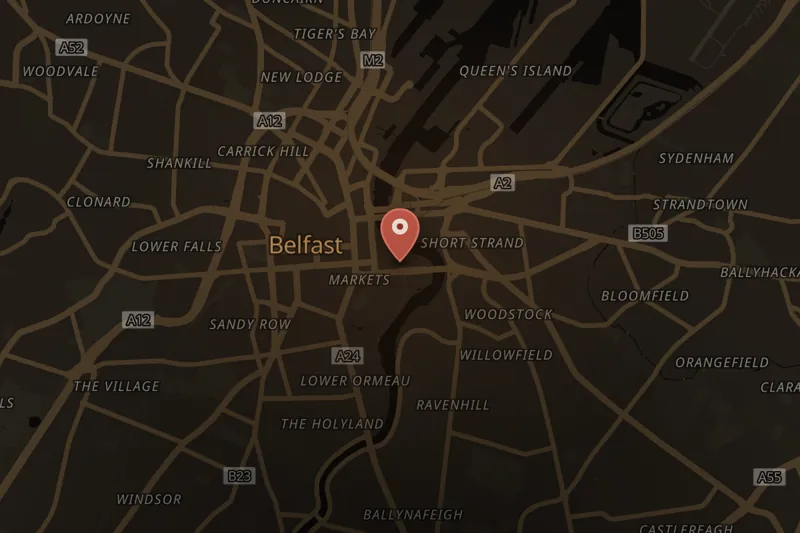
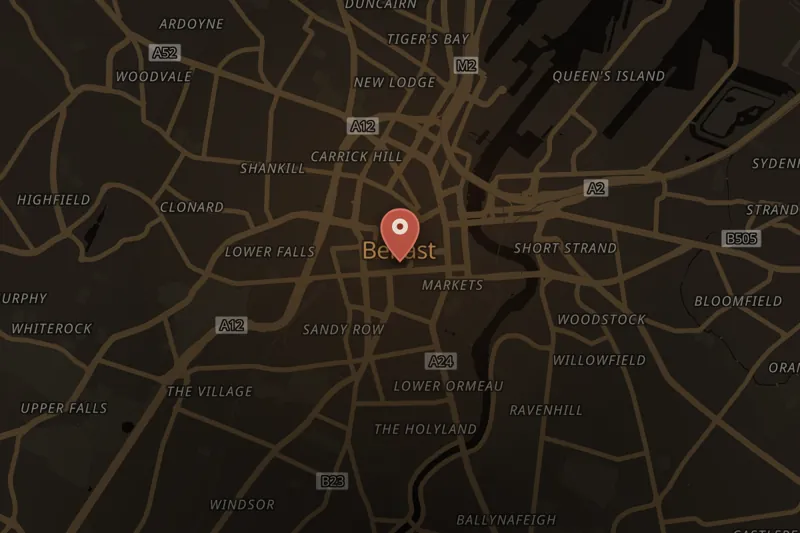
In November 1574, O'Neill invited Essex to a parley and feast at Belfast Castle, then situated in a small settlement. The gathering reportedly lasted three days. Without warning, English forces under Essex's command then attacked the O'Neills, killing up to 200 people. Essex ordered the seizure of Sir Brian O'Neill, his wife, and his brother Rory Óg, who were sent to Dublin and executed for treason. Essex stated he had been informed by "persons of credit" that O'Neill intended to betray him, and that he acted "with the advice and consents of all the captains in the camp." In differing accounts, Essex wrote that "125" of O'Neill's men were slain resisting arrest, and elsewhere that the total killed reached "200 in all places, whereof forty were his best horsemen." The Annals of the Four Masters record that women and youths were also killed.
Aftermath
Irish annals described the massacre as "wicked and treacherous" and stated it fostered lasting hatred of the English among the Irish. Some English officials in Ireland were reportedly troubled by the killings. Essex subsequently issued a proclamation justifying his actions, citing O'Neill's past breaches of trust with Crown officials — though acknowledging O'Neill had previously been pardoned for these — and alleging a plot, involving the MacDonnells of Antrim, to kill English soldiers. In response to the execution, O'Neill's son-in-law Hugh O'Neill annulled his marriage to O'Neill's daughter on grounds of consanguinity. The following summer, Essex's forces carried out a further massacre of the MacDonnells of Antrim on Rathlin Island, killing an estimated 600 people. Essex later promoted Neill McBrian Fertagh O'Neill, Brian McPhelim's son-in-law, to the lordship of Upper Clandeboye. Ensuing disputes among rival claimants led the Lord Deputy, Sir John Perrot, to divide Lower and Upper Clandeboye among competing O'Neill family members in 1584.

 Credit: KeresaspaCC BY-SA 3.0SourceSOLVEDListen