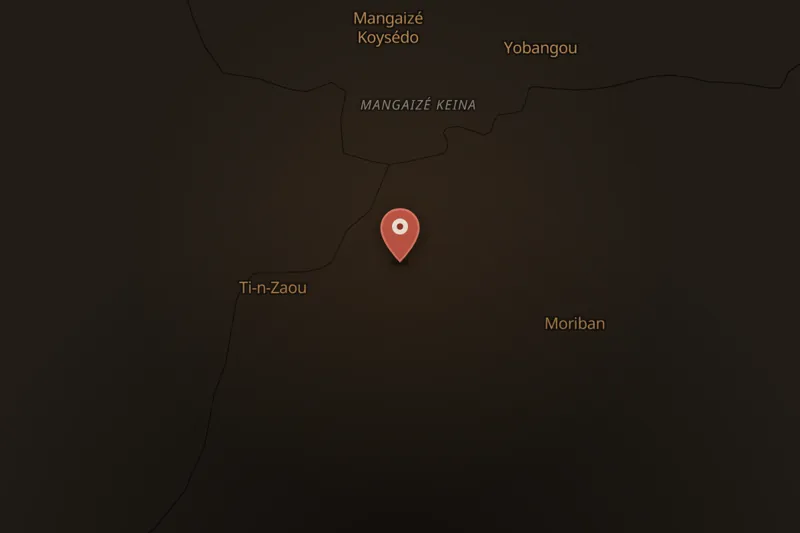
On 21 March 2021, armed fighters attacked the villages of Intazayane, Bakorat, Wirsnat, and several other hamlets and camps around Tillia, in Niger's Tahoua Region. The attackers rode into the settlements on motorcycles around 12:00 p.m. GMT and shot indiscriminately at civilians, according to an anonymous local elected official. Camps at Akofafof housing refugees, including women and children, were also set on fire. The Nigerien government reported that 137 civilians were killed; by June 2022 the death toll had risen to 141, including at least 22 children between the ages of 5 and 17. The majority of victims were Tuaregs.
The attack occurred amid a broader shift in tactics by the Islamic State in the Greater Sahara (ISGS). In 2020, a French military offensive against ISGS, combined with a simultaneous offensive by Jama'at Nasr al-Islam wal-Muslimin (JNIM) in the Mali-Niger-Burkina Faso tri-border area, had inflicted heavy losses on ISGS. According to the Armed Conflict Location & Event Data Project (ACLED), ISGS subsequently shifted toward mass killings of civilians in western Niger, particularly in the Tahoua region, as a means of reasserting territorial control and punishing communities suspected of collaborating with rival armed groups. This pattern had already been seen earlier in 2021 with the Tchoma Bangou and Zaroumdareye massacres, and just a week before the Tillia attacks, ISGS fighters killed 66 people in Darey-Daye and Chinagodrar in the neighboring Tillabéri Region.
No group formally claimed responsibility for the Tillia attacks, but ISGS is suspected. France 24 journalist Wassim Nasr stated that ISGS carried out the attack as reprisal against villagers who had refused to pay zakat to the group, and that the targeted communities were seen as more sympathetic to JNIM, following a prior spate of assassinations of pro-JNIM civilians in the area. Human Rights Watch similarly reported that many victims were targeted for refusing to pay zakat, describing the killings as both punitive and aimed at reasserting local control.
Nigerien President Mohamed Bazoum declared three days of national mourning and pledged reinforced security in the region. The attacks were condemned internationally, including by the United States, the African Union, UN Secretary-General António Guterres, Turkey, India, Algeria, and the International Rescue Committee. In May 2021, Human Rights Watch sent a public letter to Bazoum's newly inaugurated government urging accountability for war crimes committed by both armed groups and state security forces in western Niger.
In the aftermath, many women and children survivors fled to nearby towns including Tillia, Tchintabaraden, and Tahoua, with humanitarian organizations reporting that displaced families found shelter with host communities or in temporary camps. Women who had lost husbands formed mutual-aid groups to share resources and rebuild, activities that the International Rescue Committee and UNICEF described as contributing to nonviolent community recovery.

 Credit: YnhockeyCC BY-SA 3.0SourceSOLVEDListen