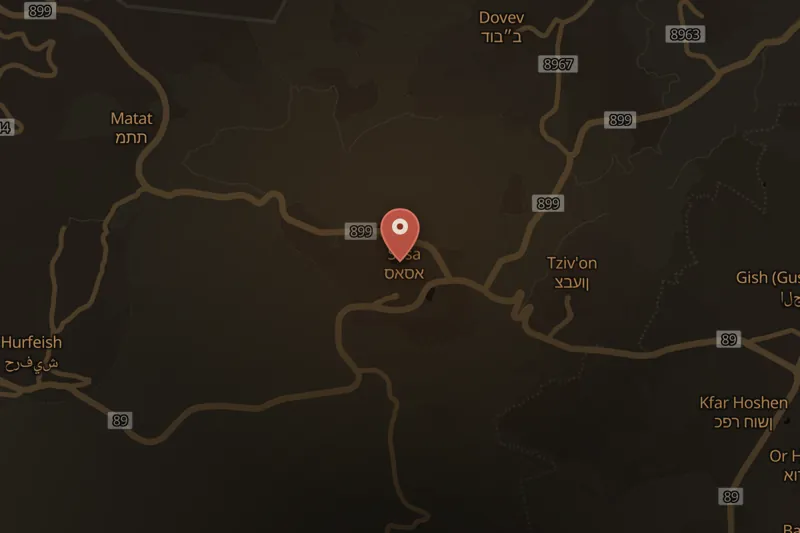
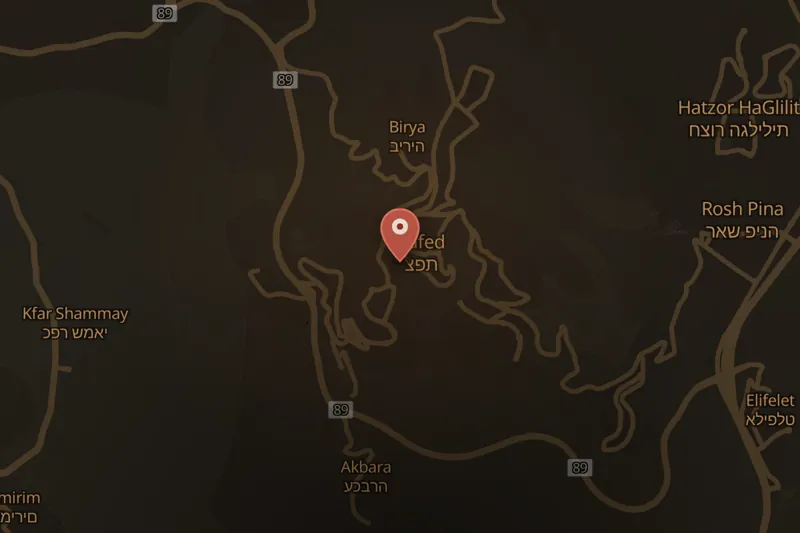
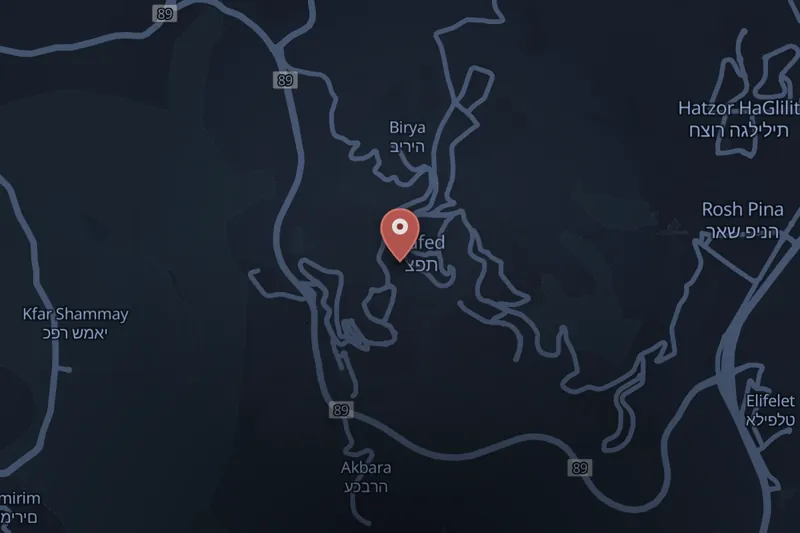
In the summer of 1838, the Galilean city of Safed—then one of the major centers of Jewish life in Ottoman-ruled Palestine, with Jews forming a majority of its population—was attacked amid a broader Druze revolt against the rule of Ibrahim Pasha of Egypt. By the 19th century, Safed's Jewish population had recovered somewhat from earlier declines, reaching between 7,000 and 8,000 residents in 1837, though the community had already suffered a month-long assault during the 1834 Peasants' Revolt, in which Jews were killed, raped, and robbed, and their synagogues and Torah scrolls destroyed. The city was further devastated by the Galilee earthquake of 1837, which killed thousands and largely destroyed the Jewish quarter.
Tensions escalated again in early 1838 as a full-scale Druze revolt against Egyptian authority erupted. Druze rebels captured a heavily outnumbered Egyptian garrison outside Safed, and the local militia, numbering only several hundred, was overwhelmed and abandoned the city. Druze fighters entered Safed on July 5, 1838, and were joined by a Muslim mob in attacking the Jewish quarter over the following three days, engaging in looting, plundering of homes, and desecration of synagogues.
According to an account by Louis Loewe, the Druze mob demanded a ransom of 2,500 pounds from the Jewish community and threatened the rabbinic leader of the Ashkenazi community with beheading if the funds were not produced. Unable to raise the money, the bound rabbi reportedly prepared to be killed before the mob relented and granted additional time. The area's governor, who had earlier promised protection and stationed soldiers in the Jewish quarter, fled when the attack began, leaving the Jewish population without defense. Loewe's diary describes families sheltering together in fear as pleas to local authorities went unanswered. The Druze rebels, believing Jews to be hiding treasure and reportedly encouraged by local Muslims, looted the Jewish quarters for three days. Some residents, including printer Yisrael Bak—whose press had already been destroyed in 1834—chose to leave the city permanently after the attack. During the violence, some Jews received assistance from local Arabs, including a man named Muhammed Mustafa, who is described as having provided protection, loans, and supplies.
In the attack's aftermath, many Jews fled south to Jerusalem and Acre, reducing Safed's Jewish population to roughly 1,000 families. Ibrahim Pasha's forces reportedly responded to the unrest more quickly than they had in 1834. The combined toll of the 1834 riots, the 1837 earthquake, and the 1838 attack contributed to a demographic shift in Jewish communal life in Ottoman Palestine, with Jerusalem surpassing Safed as the largest Jewish population center in the Old Yishuv over the following decade.


 SOLVEDListen