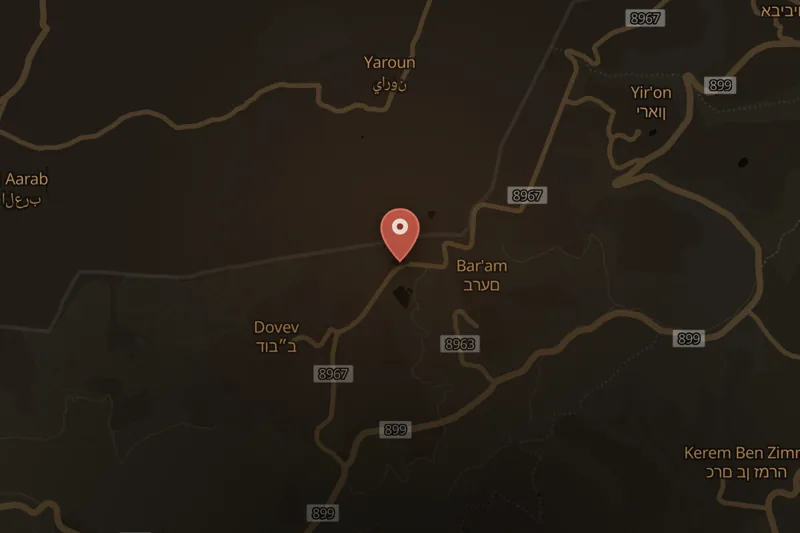
On the morning of 22 May 1970, a school bus departed Moshav Avivim in northern Israel carrying children to two local schools. The moshav sits near Israel's border with Lebanon, and the bus's route had reportedly been scouted in advance by Palestinian militants believed to have infiltrated from Lebanon. Roughly ten minutes after leaving Avivim, the bus was ambushed with heavy gunfire from both sides of the road, along with two rocket-propelled grenades fired at the vehicle.
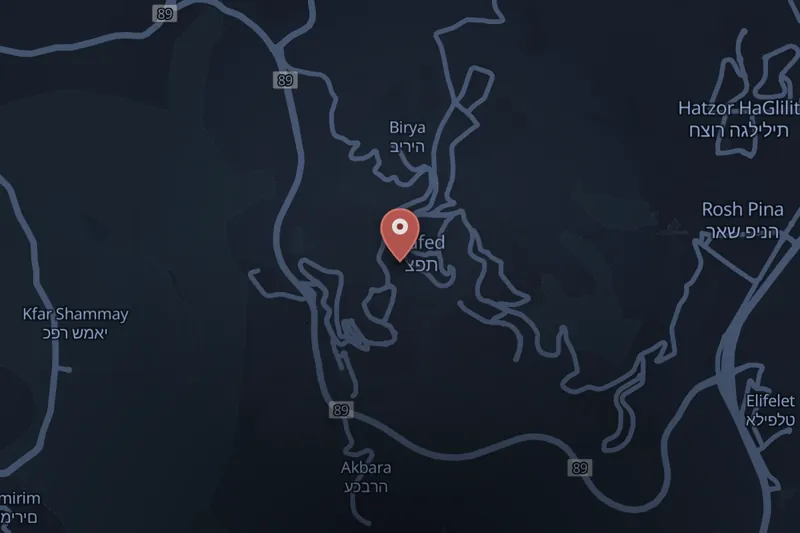
The bus driver and the two other adults aboard were among those struck in the initial barrage. All three adults were killed as the bus, no longer under control, crashed into an embankment while the attackers continued firing into it. In total, 12 civilians were killed in the attack, nine of them children in first through third grade, and 25 people were wounded. The children killed were buried in a dedicated plot in the city of Safed, and a monument to the victims was later erected in the middle of the moshav.
One survivor, Leah Revivo, who was nine years old at the time of the attack, died in 2014 at age 52. Her death resulted from an infection caused by a piece of shrapnel that had remained lodged in her brain since the 1970 attack, meaning her death is counted as connected to the bombing 44 years later.
The attack is described as one of the first carried out by the Popular Front for the Liberation of Palestine – General Command (PFLP-GC). No attackers were apprehended following the ambush.
In response, Israel launched artillery strikes on southern Lebanon, which killed twenty civilians and wounded forty more, prompting thousands of residents in the area to flee north. Following the attack, the Israel Defense Forces began conducting regular armored patrols inside southern Lebanon. The Avivim bombing and Israel's retaliatory strikes were later cited as among the motivations behind the Dawson's Field hijackings, which took place on 6 September 1970.


 COLDListen