Case file
Corporate Manslaughter and Corporate Homicide Act 2007
Documents violence — written to inform, not to shock.
The Corporate Manslaughter and Corporate Homicide Act 2007 (c. 19) is an act of the Parliament of the United Kingdom intended to broaden the law on corporate manslaughter across the UK. It created a new offence, named corporate manslaughter in England and Wales and in Northern Ireland, and corporate homicide in Scotland. The act received royal assent on 26 July 2007 and came into force on 6 April 2008.
Prior to the Act, English law treated a corporation as a juristic person capable of being convicted of a criminal offence, but faced conceptual difficulty attributing the required mens rea. A corporation could only be convicted of manslaughter if a single employee, senior enough to be regarded as embodying the "mind" of the company, personally committed all elements of the offence. This made convictions rare and generated public discontent where culpable corporations were perceived to have escaped punishment. A Corporate Manslaughter and Corporate Homicide Bill was introduced to the House of Commons by Home Secretary John Reid on 20 July 2006.
Under the Act, an indictable offence is committed where the way an organisation's activities are managed or organised causes a person's death and amounts to a gross breach of a relevant duty of care owed to the deceased, where the way its activities are managed by senior management is a substantial element in the breach. Prosecution in England or Wales requires the consent of the Director of Public Prosecutions, and in Northern Ireland the Director of Public Prosecutions for Northern Ireland; no individual can be charged with aiding and abetting the offence. In Scotland, prosecutions are initiated by a procurator fiscal. The Act abolished the common law offence of gross negligence manslaughter as it applied to corporations.
The offence applies to corporations; partnerships, trade unions and employers' associations that are themselves employers; police forces; and various, though not all, government departments. A "relevant duty of care" is a question of law for the judge, drawn from the law of negligence, with certain matters excluded, including some government policy decisions, policing, military and child protection activities, and emergency responses. Particular duties owed to persons in custody were subject to delayed implementation, with the Ministry of Justice publishing a progress report in July 2008.
A breach is "gross" if it falls far below what could reasonably be expected of the organisation in the circumstances, with juries directed to consider compliance with health and safety legislation, the seriousness of any failure, the risk of death posed, and any organisational attitudes or practices that encouraged or tolerated the failure.
On conviction, penalties include orders to remedy the breach, publicity orders, or an unlimited fine. A Sentencing Council guideline effective from 1 February 2016 set a starting fine of £300,000 with no maximum limit, based on the organisation's size and turnover.
Key facts
- Victims
- On file
- Date
- 2007
- Location
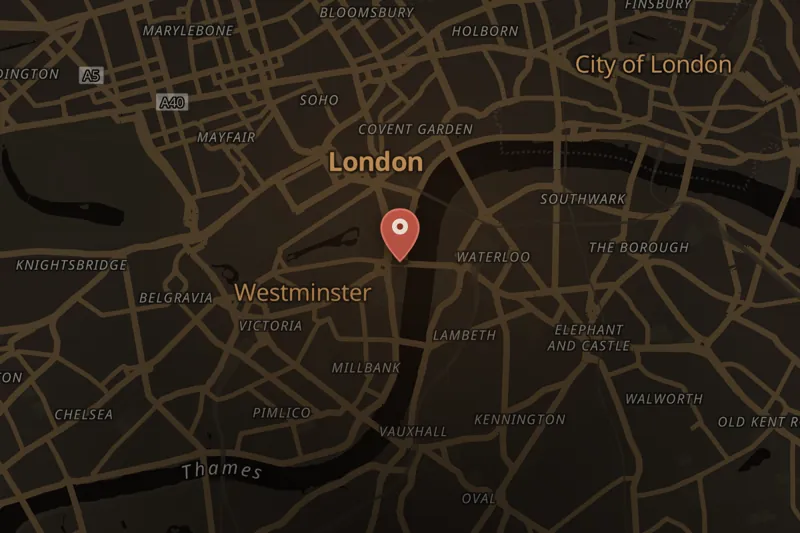
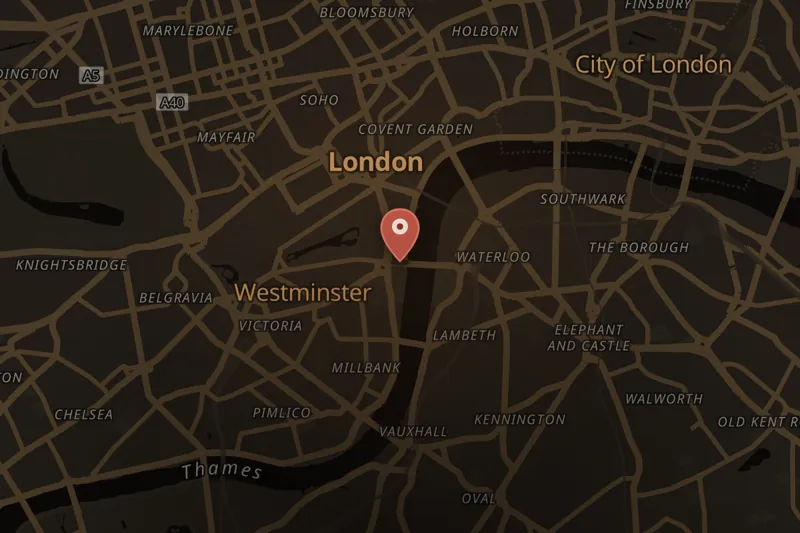
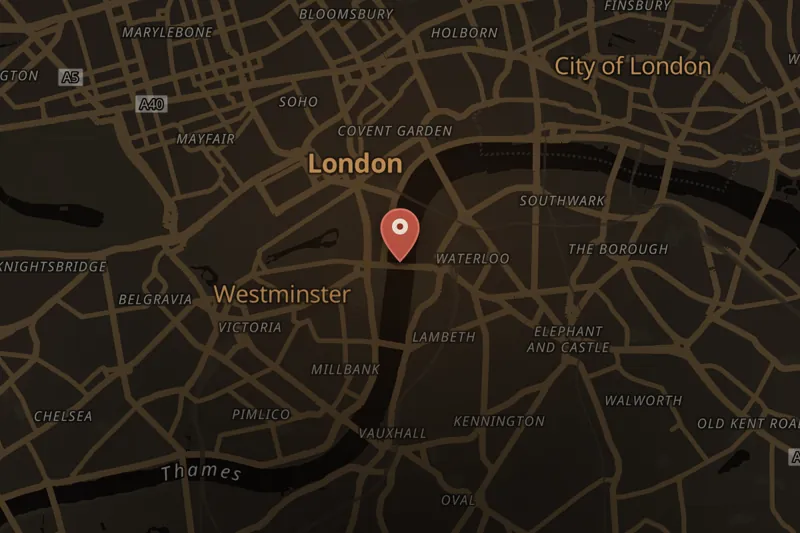
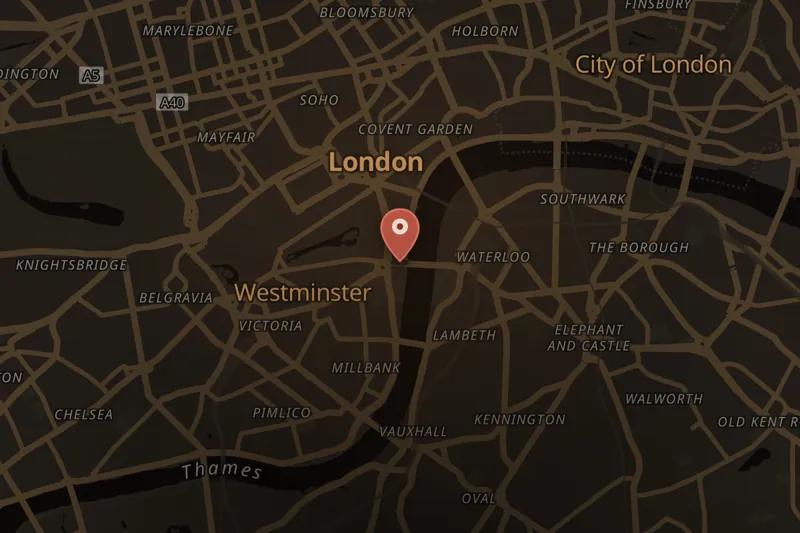
- Parliament of the United Kingdom, Westminster, London
- Case status
- solved
Case timeline
2006-07-20
Corporate Manslaughter and Corporate Homicide Bill introduced to the House of Commons by Home Secretary John Reid.
2007-07-26
The Corporate Manslaughter and Corporate Homicide Act 2007 received royal assent.
2008-04-06
The Act came into force.
2008-07
Ministry of Justice published a report on progress towards implementation of duties owed to persons in custody.
2016-02-01
Sentencing Council's definitive guideline for sentencing the offence of corporate manslaughter took effect.
Best coverage
No approved coverage links are attached yet.
People
No public people records are attached yet.
Places
Common questions
- What happened to the victim?
- A UK Act of Parliament that created new offences of corporate manslaughter (England and Wales, Northern Ireland) and corporate homicide (Scotland), making it easier to hold organisations criminally liable for deaths caused by gross failures in how their activities are managed.
- Where did the homicide happen?
- Parliament of the United Kingdom, Westminster, London.
- What is the current status of the case?
- Status: solved.
Sources
- Corporate Manslaughter and Corporate Homicide Act 2007wikipedia · Wikipedia · 2026-07-07
- Contemporaneous coverage — cps.gov.uknews · cps.gov.uk · 2026-07-07
- Contemporaneous coverage — legislation.gov.uknews · legislation.gov.uk · 2026-07-07