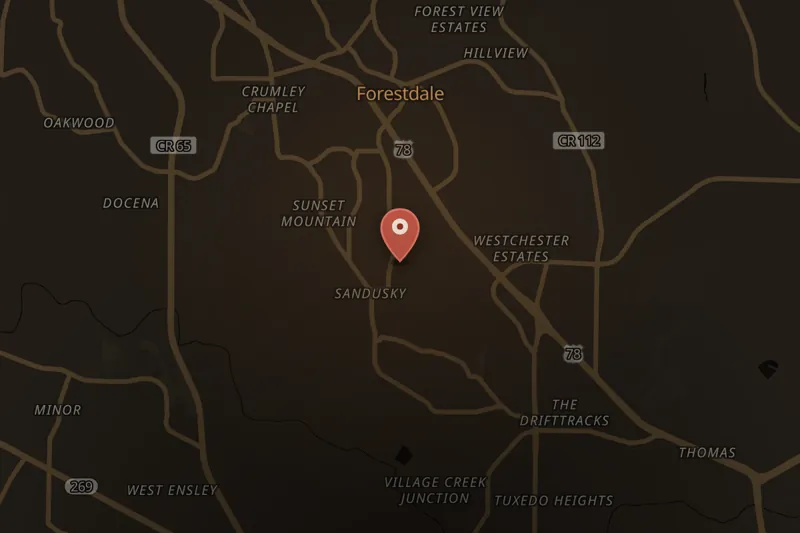
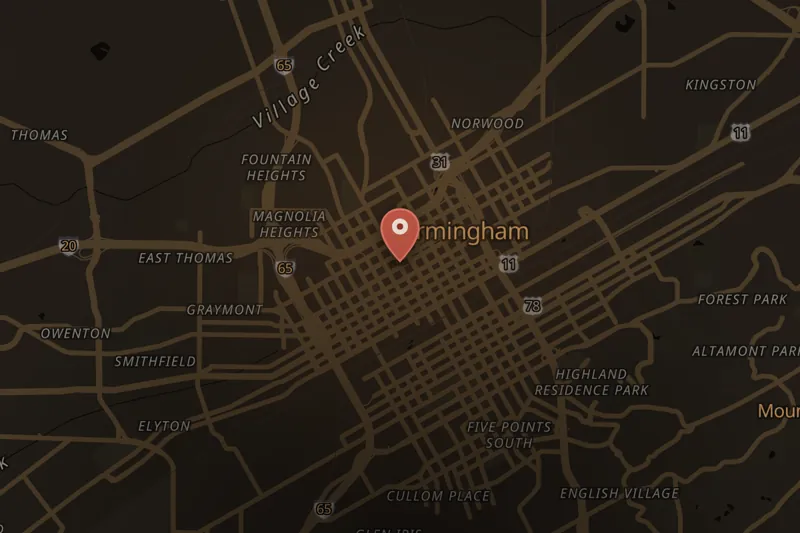
On June 17, 2004, four Birmingham, Alabama police officers—Harley Chisholm III, Charles Bennett, Carlos Owen, and Michael Collins—attempted to serve an outstanding arrest warrant on Nathaniel Woods at a residence on 18th Street. After an earlier confrontation, officers returned later that day to find Woods and Kerry Spencer inside. Officers entered and chased Woods, macing him. According to Woods and Spencer, Spencer grabbed an SKS rifle and, after Woods had surrendered, opened fire on the officers as Woods fled the apartment. Three officers—Chisholm, Bennett, and Owen—were killed; Collins was wounded but survived. Collins's account of the incident differs in some details, including how many officers entered and what he alleged Woods said to Spencer during the shooting. Woods and Spencer fled to the home of an associate, John Prather, where they were later arrested.
Spencer was tried first, convicted, and sentenced to death in September 2005. Prosecutors then tried Woods for capital murder despite conceding that Spencer alone had fired the shots, alleging that Woods lured the officers to their deaths and refused to cooperate with the warrant. Evidence presented included eyewitness testimony, alleged statements by Woods, a drawing and rap lyrics found in his cell, and a recovered service weapon located near where Woods had been sitting. Woods testified in his own defense but did not express remorse, which surprised at least one juror. The jury convicted Woods and voted 10–2 to sentence him to death; Alabama does not require unanimous jury verdicts in capital sentencing.
The case became the subject of substantial controversy prior to Woods's execution. Spencer wrote publicly that Woods was innocent and took full responsibility for the killings. An associate, Tyran "Bubba" Cooper, filed a 2012 affidavit alleging that two of the officers involved were corrupt and had accepted payments to allow drug dealing, raising questions about the legitimacy of the initial police action. A witness, Marquita McClure, later said she had lied in her testimony out of fear of prosecution. Civil rights figures, including Martin Luther King III, and celebrities such as Kim Kardashian, publicly called for clemency. Governor Kay Ivey denied clemency, describing Woods as an "integral participant" in the murders. Family members of the officers were divided: one officer's sister publicly supported clemency for Woods, while another officer's daughter maintained he bore responsibility.
Woods's state-appointed appellate lawyer failed to file a required brief, preventing Alabama's Supreme Court from reviewing his case; new counsel's later petitions to state and federal courts were denied. Hours before his scheduled execution, the U.S. Supreme Court briefly halted proceedings before allowing the execution to proceed. Nathaniel Woods was executed by lethal injection at Holman Correctional Facility on March 5, 2020, at 9:01 p.m., making him the 67th person executed in Alabama since 1978. He did not make a final statement. His case was the subject of a 2021 documentary, "To Live and Die in Alabama," produced by The New York Times.

 Credit: Unknown authorPublic domainSourceSOLVEDListen