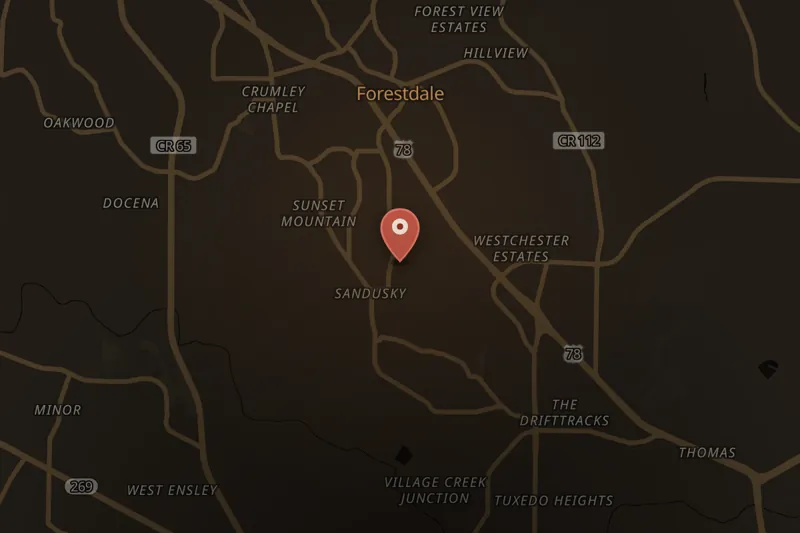
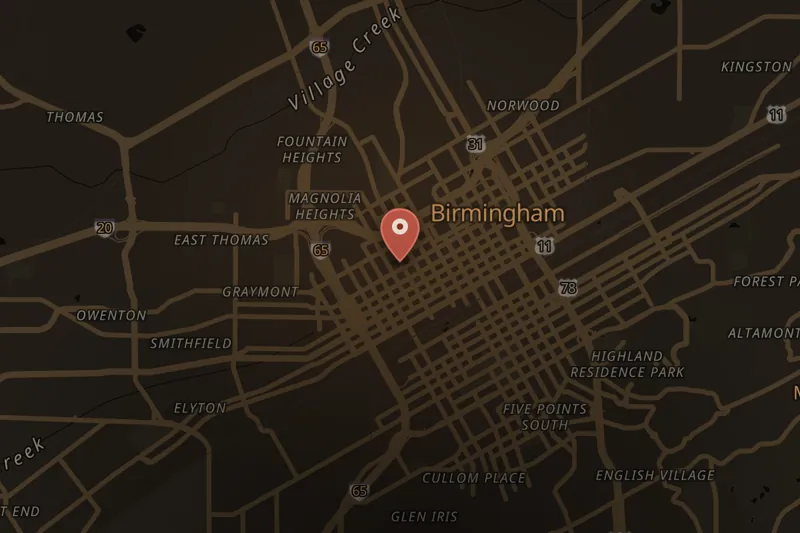
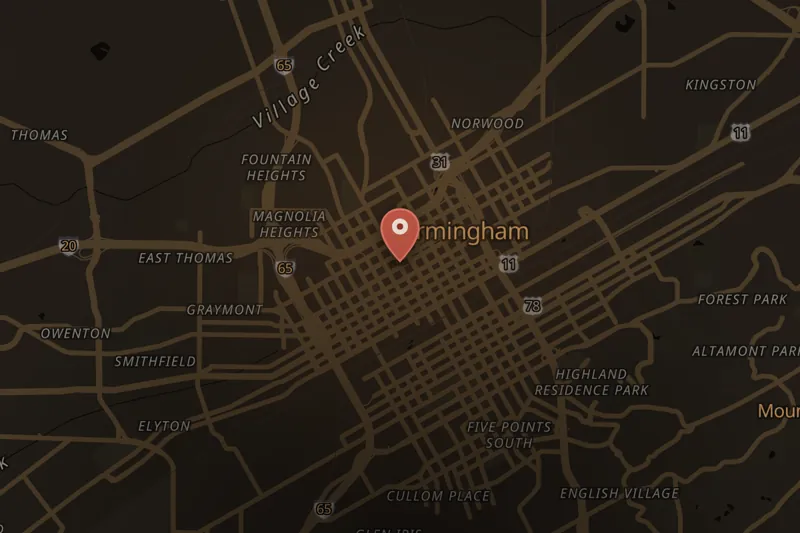
In the early morning of September 15, 1963, members of a Ku Klux Klan splinter group known as the "Cahaba Boys" planted dynamite beneath the steps of the 16th Street Baptist Church in Birmingham, Alabama, a church that served as a rallying point for civil rights organizing during the Birmingham campaign. At approximately 10:22 a.m., an anonymous caller told the church's acting Sunday School secretary, 15-year-old Carolyn Maull, "Three minutes." Less than a minute later, the bomb exploded, killing Addie Mae Collins, Carol Denise McNair, Carole Rosamond Robertson, and Cynthia Dionne Wesley, and injuring between 14 and 22 other people. The explosion destroyed the rear of the church, blew out nearly every stained-glass window, and damaged buildings and vehicles blocks away.
The bombing occurred against a backdrop of intense racial violence in Birmingham, a city where at least 21 bombings of Black homes and institutions had occurred in the preceding eight years without fatalities. It followed the Birmingham campaign's Children's Crusade and the desegregation of the city's public schools weeks earlier. In the hours after the bombing, unrest spread through the city, and two more Black teenagers, Johnny Robinson and Virgil Ware, were killed in separate incidents.
The FBI's 1965 investigation identified four Ku Klux Klan members and segregationists — Thomas Edwin Blanton Jr., Herman Frank Cash, Robert Edward Chambliss, and Bobby Frank Cherry — as the perpetrators, but Director J. Edgar Hoover blocked federal prosecution, and the case was formally closed without charges in 1968. Alabama Attorney General William Baxley reopened the case in 1971 and, after obtaining new witness testimony and evidence, prosecuted Robert Chambliss, who was convicted in 1977 of the first-degree murder of 11-year-old Carol Denise McNair and sentenced to life imprisonment. He died in prison in 1985, having maintained his innocence.
The investigation was reopened again in 1995 as part of a broader effort to revisit civil-rights-era cold cases. In 2000, Thomas Blanton and Bobby Cherry were indicted on charges including first-degree murder. Blanton was convicted in 2001 and Cherry in 2002; both were sentenced to life imprisonment. Future U.S. Senator Doug Jones led the prosecutions. Herman Cash died in 1994 and was never charged. Blanton died in prison in 2020.
The bombing is widely regarded as a turning point in the American civil rights movement and contributed to public and congressional support for the Civil Rights Act of 1964.


 SOLVEDListen