The assassinations that redirected history
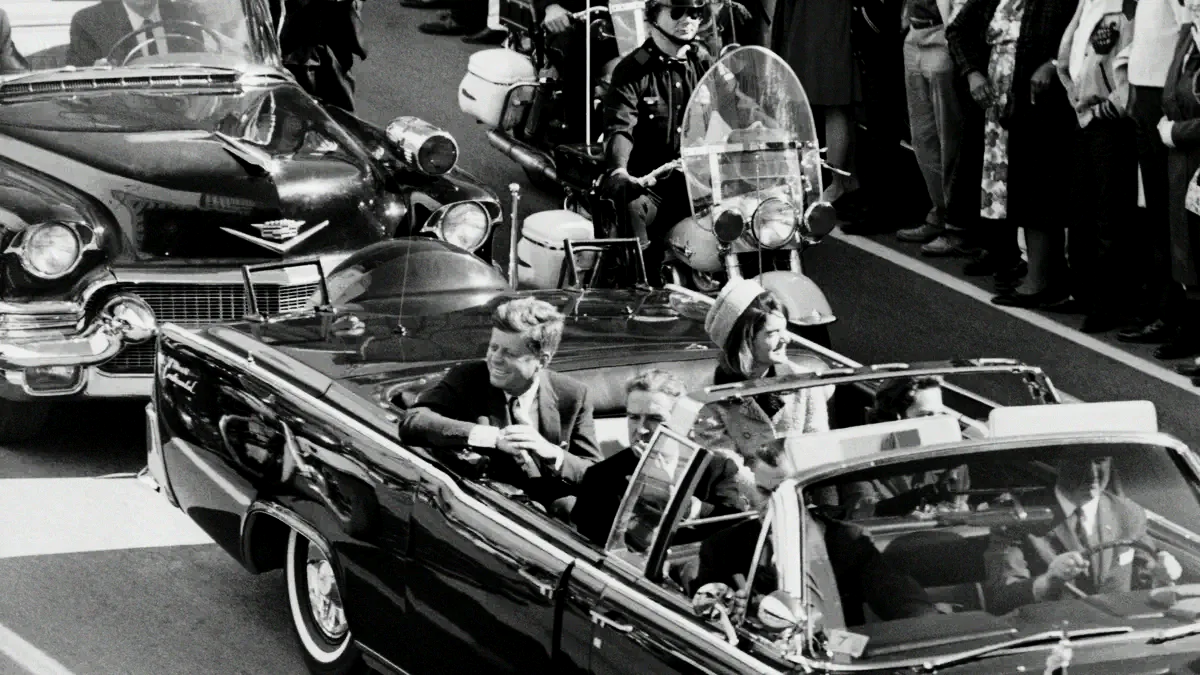
The killings of presidents, prime ministers, dissidents, and reformers — each one a hinge a nation's history turned on.
Take the tour
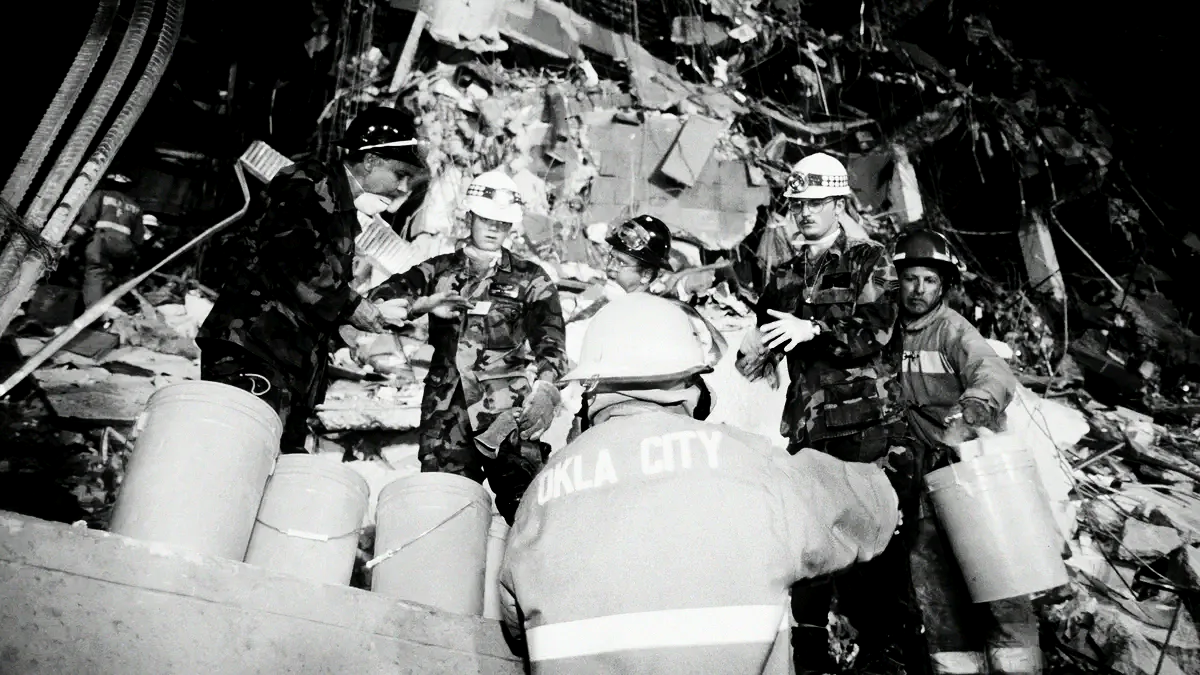
Bombings across public places, transit systems, campaigns, and conflicts — recorded through the people they were aimed at and the aftermath that followed.
A bomb is aimed at a place, but its reach is a whole society's sense of safety. The files here trace attacks that changed the ordinary texture of public life — the barriers around a federal building, the search of a bag at a concert, the screening of a package — each one bought at a terrible price.
The people killed were commuters, shoppers, worshippers, schoolchildren, and police officers. Four girls at a church in Birmingham, Alabama, on a Sunday morning in 1963. A hundred and sixty-eight in Oklahoma City in 1995, nineteen of them children. Twenty-two leaving a concert in Manchester in 2017. Some cases were solved within days; Omagh, the deadliest single attack of the Northern Irish Troubles, still has not been.
Most of these are acts of political violence, one is a case of private rage, and their motives run from sectarian hatred to anti-war protest. The frame stays the same as everywhere in the archive: the loss first, and what a society built afterward to keep it from happening again.
 Manchester Arena exterior, (2) May19 — Credit: G-13114CC BY-SA 4.0Source
A suicide bomb in the arena foyer killed 22 people, many of them children and parents, as an Ariana Grande concert let out.

Two pressure-cooker bombs near the finish line killed three people and injured hundreds; the manhunt shut down a city.
 Oslo after the terror (5988160220) — Credit: nrkbetaCC BY-SA 2.0Source
A car bomb in Oslo and a shooting at a youth summer camp on Utøya killed 77 people, most of them teenagers.
 Benazir Bhutto — Credit: Oliver MarkCC BY-SA 4.0Source
Pakistan's former prime minister was killed alongside 23 others after an explosion and gunfire at a campaign rally in Rawalpindi.
 AvoidLondon77 — Credit: David Wulff (David Wulff)CC BY-SA 2.0Source
Four suicide bombers killed 52 people on three Underground trains and a bus — the UK's deadliest terrorist attack in years.
 Bali 2002 bombing Memorial Melbourne — Credit: User:Peter EllisCC BY-SA 3.0Source
Coordinated bombs in the Kuta tourist district killed 202 people, Indonesia's deadliest terrorist attack.
 File:Lower Market Street, Omagh County Tyrone.jpg — Credit: Jeanne Boleyn ( talk )Public domainSource
A Real IRA car bomb killed 29 people in a County Tyrone market town — the deadliest single incident of the Troubles, still unsolved.
 Murrah Building - Aerial — Credit: Leonard Brakebill, Oklahoma Air National GuardPublic domainSource
A truck bomb at the Murrah Federal Building killed 168 people, including 19 children — the deadliest domestic terrorist attack in US history.
 Rajiv Gandhi (1987) — Credit: Bart Molendijk / AnefoCC BY-SA 3.0 NLSource
India's former prime minister and at least 14 others were killed by a suicide bomber at a campaign event in Tamil Nadu.
 Officials observe damage of MOVE bombing on 6200 block at Osage Avenue — Credit: Sam KushnerPublic domainSource
Philadelphia police dropped explosives on an occupied row house; eleven people were killed and sixty-one homes were destroyed.
 Close-up of the damage caused by the Brighton Bomb — Credit: D4444n at en.wikipediaCC BY-SA 3.0Source
An IRA bomb at the Grand Hotel during the Conservative conference killed five in an attempt on Prime Minister Margaret Thatcher's life.
 Police In Scene After 1983 Harrods Bombing — Credit: Unknown authorCC BY-SA 2.5Source
A Provisional IRA car bomb outside Harrods in London killed six people, three of them police officers, days before Christmas.
 1554 sterlingmarker — Credit: Original uploader was Dpbsmith at en.wikipediaCC BY-SA 3.0Source
An anti-war truck bombing at the University of Wisconsin killed a physics researcher working late in the building.
 16th Street Baptist Church bombing girls — Credit: Unknown authorPublic domainSource
Klansmen bombed a Birmingham church, killing four Black girls — a turning point in the civil-rights movement.
 Kahoe House — Credit: unknown, no credit in original sourcePublic domainSource
A school-board member detonated explosives hidden under a Michigan school, killing 38 people, most of them children — the deadliest school attack in US history.
The killings of presidents, prime ministers, dissidents, and reformers — each one a hinge a nation's history turned on.
Public attacks remembered by place — and the lives, movements, safety changes, and public arguments that followed.