Start here
Our state, our history: The bombing of Sterling Hall
The creator's telling of the case, the strongest entry point on file.
Watch on YouTubeSolved case · 1970
Also known as New Year's Gang bombing · Army Math Research Center bombing
 1554 sterlingmarkerCredit: Original uploader was Dpbsmith at en.wikipediaCC BY-SA 3.0Source
The short answer
A pre-dawn truck bombing at the University of Wisconsin–Madison on August 24, 1970, aimed at a military-funded research center, killed physics researcher Robert Fassnacht and injured three others.
Our state, our history: The bombing of Sterling Hall1 piece from 1 creator: ranked, with duplicates removed and short clips set aside.
Start here
The creator's telling of the case, the strongest entry point on file.
Watch on YouTubeTitles and descriptions are the creators’ own and may not reflect current legal status. The sourced facts are in the file below. Players load only when you press play. Suggest coverage we’re missing.
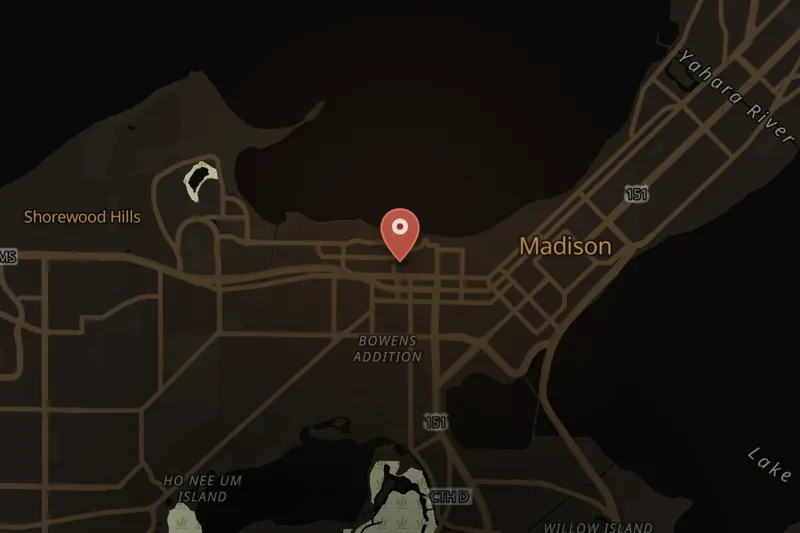
In the early morning of August 24, 1970, a bomb built from nearly 2,000 pounds of ammonium nitrate and fuel oil (ANFO) exploded outside Sterling Hall on the University of Wisconsin–Madison campus. The device, loaded into a stolen Ford Econoline van, was detonated at 3:42 a.m. and was intended to destroy the Army Mathematics Research Center (AMRC), a U.S. Army-funded think tank occupying the second through fourth floors of the building's southern wing. The explosion caused massive destruction across Sterling Hall and damaged 26 nearby buildings, with pieces of the van found atop an eight-story building three blocks away. Ironically, the AMRC itself was only lightly damaged. Total damage to university property exceeded $2.1 million (about $16.2 million in 2025 dollars).
The blast killed Robert Fassnacht, a 33-year-old postdoctoral physics researcher who had gone to his basement laboratory that night to finish superconductivity research before a family vacation. He was found by rescuers face down in about a foot of water. Neither Fassnacht nor the physics department was affiliated with the AMRC. Three other people were injured: graduate student David Schuster, who suffered a broken shoulder, fractured ribs, a ruptured eardrum, and lasting hearing loss after being trapped in rubble for three hours; postdoctoral researcher Paul Quin; and university security officer Norbert Sutler, both of whom suffered cuts and bruises from shattered glass.
The bombing was carried out by four men — Karleton "Karl" Armstrong, his younger brother Dwight Armstrong, David Fine, and Leo Burt — who called themselves the "New Year's Gang," referencing an earlier failed attempt to bomb the Badger Army Ammunition Plant from a stolen airplane on New Year's Eve 1969. The group targeted the AMRC as part of broader opposition to the university's research ties to the U.S. military during the Vietnam War; the center had become a focal point for anti-war protests after student newspaper The Daily Cardinal published investigative reporting linking AMRC's work to Department of Defense counterinsurgency requests.
Karl Armstrong was captured in Toronto in February 1972 and sentenced to 23 years, serving seven. Dwight Armstrong was arrested in Toronto in April 1977, pleaded guilty, and was sentenced to seven years, serving three; he later returned to Madison and died of lung cancer in June 2010. David Fine was captured in San Rafael, California, in January 1976 and sentenced to seven years in federal prison, serving three; he was later denied admission to the Oregon bar despite passing the bar exam. Leo Burt fled to Canada with Fine after the bombing and, as of May 2023, has never been located or apprehended; he has not been convicted and remains at large. The Army Mathematics Research Center itself was phased out by the Department of Defense at the end of the 1970 fiscal year.
Karl and Dwight Armstrong, with Karl's girlfriend driving the getaway car, steal a small plane and drop homemade explosives on the Badger Army Ammunition Plant; the explosives fail to detonate.
A bomb made from nearly 2,000 pounds of ANFO explodes outside Sterling Hall at 3:42 a.m., killing researcher Robert Fassnacht and injuring three others.
The Army Mathematics Research Center is phased out by the Department of Defense at the end of the 1970 fiscal year.
Karleton Armstrong is captured in Toronto after 18 months in hiding.
David Fine is captured in San Rafael, California.
Dwight Armstrong is arrested in Toronto and later pleads guilty to the bombing.
David Fine, after passing the Oregon bar examination, is denied admission to the bar; the Oregon Supreme Court later upholds the denial.
Dwight Armstrong dies of lung cancer at age 58.
Victims first. Every legal label is set from public records and court outcomes, not from the prose.
Graduate student injured in the bombing; suffered a broken shoulder, fractured ribs, a ruptured eardrum, and lasting hearing loss.[3]
University security officer injured by shattered glass in the bombing.[3]
Postdoctoral physics researcher injured by shattered glass in the bombing.[3]
33-year-old postdoctoral physics researcher killed in the bombing while working in his basement laboratory.[3]
Convicted for his role in the bombing; sentenced to seven years in federal prison, served three.[3]
Pleaded guilty to the bombing; sentenced to seven years, served three. Died in 2010.[3]
Convicted for his role in planning and carrying out the bombing; sentenced to 23 years, served seven.[3]
Charged with sabotage, destruction of government property, and conspiracy by the US federal government on September 2, 1970, for the Sterling Hall bombing; he fled to Canada and remains a fugitive, with charges still pending.[3]
From the record
Coverage is not a source: every fact in this file rests on the records below.
Are you family of someone named in this file? Corrections and removal requests from victims’ families are prioritized.
 SOLVEDListen
Dane County, Wisconsin · 2020s
Chandler Halderson was convicted of murdering and dismembering his parents, Bart and Krista Halderson, in Dane County, Wisconsin, in July 2021, after they began to discover he had lied about his college enrollment, employment, and plans to relocate for a new job. He was convicted on all charges in March 2022 and sentenced to life without parole; his final appeal was denied by the Wisconsin Supreme Court in June 2026.
 UNSOLVEDListen
St. Michael School, Dane, Wisconsin · 2010s
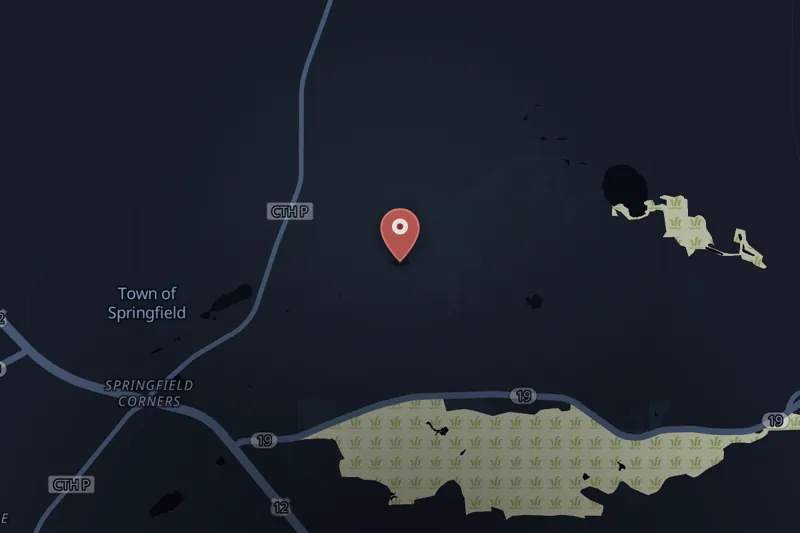
Rev. Alfred Joseph Kunz, a Catholic priest in Dane, Wisconsin, was found with his throat slit and stab wounds in the hallway of St. Michael School on March 4, 1998. The case remains unsolved despite a partial DNA sample recovered from retested forensic evidence.
 SOLVEDListen
Taliesin estate, near Spring Green, Wisconsin · 1910s
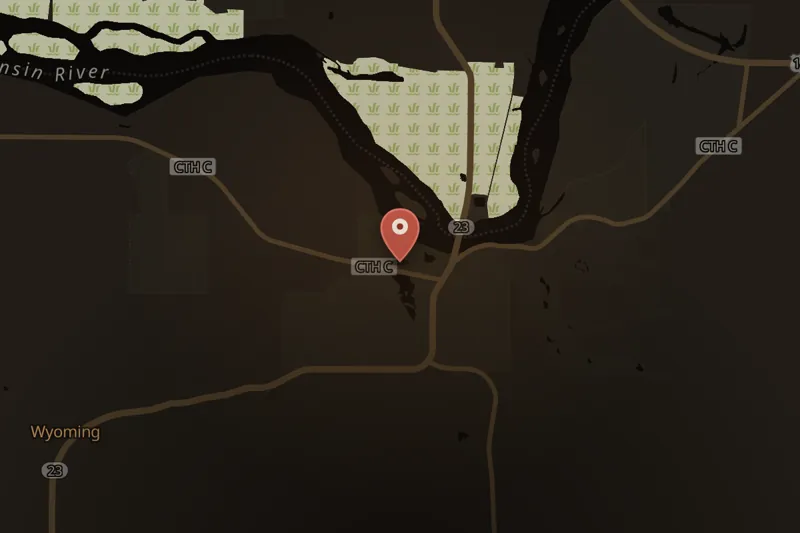
On August 15, 1914, an employee at Frank Lloyd Wright's Taliesin estate near Spring Green, Wisconsin, attacked residents and staff with a hatchet and set the living quarters on fire, killing Wright's partner Mamah Borthwick, her two children, and four others. The assailant was arrested the same day and died in jail before trial.
 Credit: Kenneth AllenCC BY-SA 2.0SourceSOLVEDListen
Claudy, County Londonderry, Northern Ireland · 1972
On 31 July 1972, three car bombs exploded in the village of Claudy, County Londonderry, Northern Ireland, killing nine civilians and injuring thirty. A 2010 Police Ombudsman report found that the RUC, British government and Catholic Church covered up the suspected involvement of a local priest, Fr James Chesney, in the attack.
 Credit: KeresaspaCC BY-SA 3.0SourceSOLVEDListen
McGurk's Bar (Tramore Bar), corner of North Queen Street and Great George's Street, New Lodge, Belfast · 1971
On 4 December 1971, the Ulster Volunteer Force detonated a bomb at McGurk's Bar in Belfast, killing fifteen Catholic civilians and wounding seventeen more, in what became the deadliest attack in Belfast during the Troubles.
 Credit: Unknown authorCC BY-SA 2.5SourceUNSOLVEDListen
Harrods, Hans Crescent, Knightsbridge, London · 1983
A Provisional IRA car bomb exploded outside Harrods department store in Knightsbridge, London, on 17 December 1983, killing three police officers and three civilians and injuring 86 people after a warning call failed to result in evacuation.