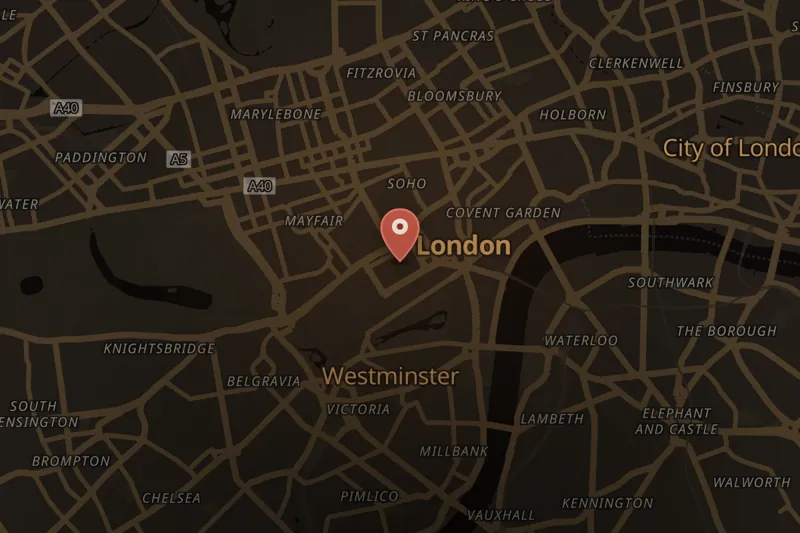
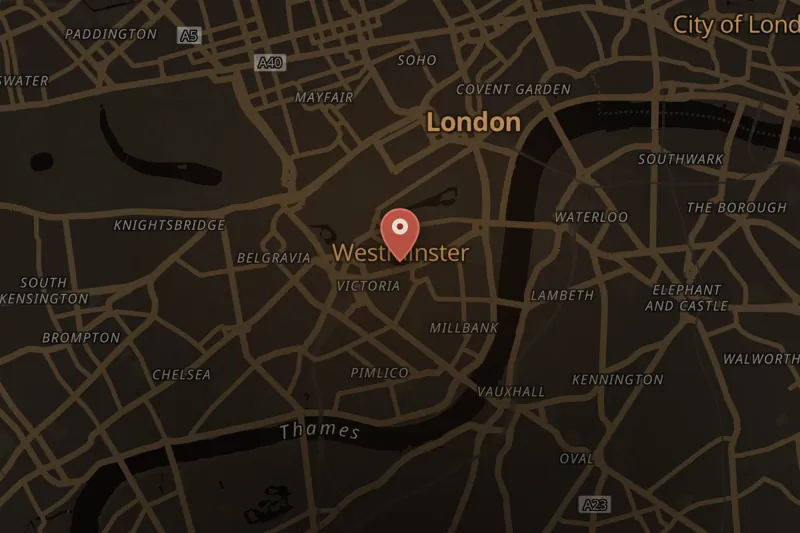
On 30 March 1979, Airey Neave, the Conservative Party's Shadow Secretary of State for Northern Ireland, was killed by a bomb attached to his car by members of the Irish National Liberation Army (INLA). The explosion occurred in the underground car park of the Palace of Westminster in London as Neave drove out of the building, and he died a short time later at Westminster Hospital without regaining consciousness.
The INLA, formed at a Dublin hotel meeting in December 1974 alongside its political wing the Irish Republican Socialist Party, had been waging a paramilitary campaign since 1975 against British Government facilities and officials in pursuit of removing Northern Ireland from the United Kingdom. Neave, an influential Conservative MP, had spent the 1970s advocating for a shift from a strategy of containing Irish paramilitary violence to a more offensive military strategy, including greater use of the Special Air Service. This stance drew the attention of both the Provisional IRA and the INLA, who viewed him as a threat. A member of INLA's leadership later described Neave as wanting to "take the war to the enemy." Following the collapse of the Labour Government on a vote of no confidence on 28 March 1979 and the calling of a general election, Neave — expected to become Secretary of State for Northern Ireland under an anticipated Conservative win — was positioned to implement this strategy.
On the day of the attack, two INLA operatives posing as workmen entered the House of Commons' underground car park carrying a bomb in a tool box. They fixed a 16-ounce explosive device fitted with a mercury tilt detonator to the underside of Neave's car. As Neave drove up the car park's exit ramp shortly before 3 p.m., the change in angle triggered the mercury switch, detonating the bomb. The blast knocked Neave unconscious, severed his legs, and trapped him in the wreckage. Emergency services cut him free and he was taken by ambulance to Westminster Hospital, where he died a few minutes after arrival.
The INLA later claimed responsibility for the attack in its publication The Starry Plough, describing it as "the operation of the decade." Margaret Thatcher, who called Neave's death an "incalculable loss," cancelled a scheduled television broadcast that evening due to her grief. The House of Commons resumed business less than an hour after the killing. Neave's death came two days after the no-confidence vote and roughly a month before the 1979 general election, which brought Thatcher to power as Prime Minister. His wife, Diana, was later elevated to the House of Lords as Baroness Airey of Abingdon. As a consequence of the assassination, the INLA was proscribed as illegal across the United Kingdom on 2 July 1979. Neave was buried at St. Margaret's Church, Hinton Waldrist, Oxfordshire.


 Credit: Daily Mirror originallyPublic domainSourceSOLVEDListen