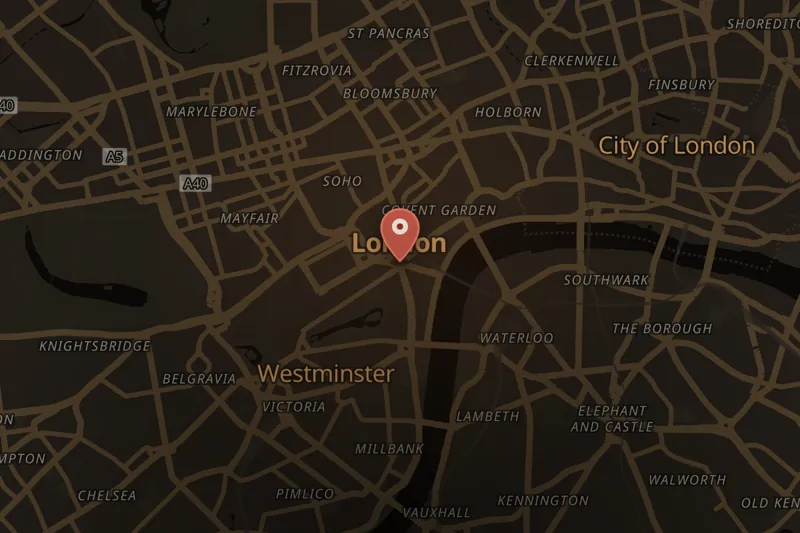
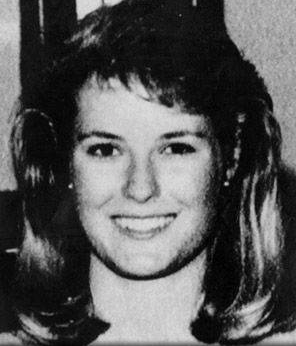
On 17 April 1984, Woman Police Constable Yvonne Fletcher was deployed with around 30 other officers to monitor an anti-Gaddafi demonstration outside the Libyan People's Bureau (embassy) at 5 St James's Square, London. At 10:18 am, automatic gunfire was discharged from two windows on the first floor of the embassy using Sterling submachine guns, aimed at the roughly 75 demonstrators from the Libyan National Salvation Front. Eleven demonstrators were wounded. Fletcher was also struck and was taken to Westminster Hospital, where she died at approximately midday following surgery.
The shooting followed a period of escalating tension between Britain and the Gaddafi regime, including bombings and killings of Libyan dissidents in the UK between 1980 and 1984, and the public hanging of two students critical of Gaddafi in Tripoli the day before the shooting. Overnight, Tripoli had authorised the People's Bureau to open fire on the demonstrators, a decision later reconstructed from decrypted communications intercepted by GCHQ, though too late to prevent the shooting.
The shooting triggered an eleven-day siege of the embassy. Britain severed diplomatic relations with Libya on 22 April 1984, and the roughly 30 staff inside the embassy — including the suspects — were expelled from the UK on 27 April, the same day as Fletcher's funeral at Salisbury Cathedral. In retaliation, Libya detained six British nationals as hostages; the last four were released in February 1985 after nine months in captivity. The inquest into Fletcher's death concluded that she "was killed by a bullet coming from one of two windows on the west side of the front on the first floor of the Libyan People's Bureau."
The case remained diplomatically and legally unresolved for decades. In 1999, following a thaw in UK–Libya relations, the Libyan government publicly accepted general responsibility for the shooting and paid £250,000 compensation to Fletcher's family, while agreeing to cooperate with the ongoing police investigation. British detectives were eventually able to interview a main suspect in Libya in 2007, and a CPS-commissioned review that year found sufficient evidence for two named individuals to face conspiracy to murder charges, though the report was not publicly released. In November 2015, Saleh Ibrahim Mabrouk, a former Gaddafi-era official living in the UK, was arrested on suspicion of conspiracy to murder Fletcher. In May 2017, he was released from police bail without charge after prosecutors concluded there was insufficient admissible evidence to proceed because relevant evidence could not be presented for national-security reasons.
Police investigation continued until 2017 without any criminal conviction. In November 2021, a civil case brought by Fletcher's former colleague John Murray resulted in the High Court of Justice finding Mabrouk jointly liable for Fletcher's death. As of the available reporting, no one has been criminally convicted of her murder.


 SOLVEDListen