
Start here
Officer Murders College Student During Traffic Stop on Dark Offramp | Cara Knott Case Analysis

Dr. Todd Grande's 15-minute overview: the quickest complete way into the case.
Watch on YouTubeSolved case · 1986
Also known as Killing of Cara Knott
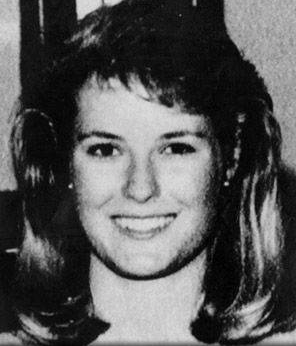 Cara KnottCredit: English WikipediaEditorial useSource
The short answer
Cara Knott, a 20-year-old San Diego State University student, disappeared on December 27, 1986, while driving home from her boyfriend's house. Her body was found the next day below a bridge near an isolated freeway offramp. California Highway Patrol officer Craig Alan Peyer was convicted of her murder in 1988 after a second trial.
Officer Murders College Student During Traffic Stop on Dark Offramp | Cara Knott Case AnalysisDr. Todd Grande · 15 min1 piece from 1 creator: ranked, with duplicates removed and short clips set aside.
Start here
Dr. Todd Grande's 15-minute overview: the quickest complete way into the case.
Watch on YouTubeTitles and descriptions are the creators’ own and may not reflect current legal status. The sourced facts are in the file below. Players load only when you press play. Suggest coverage we’re missing.
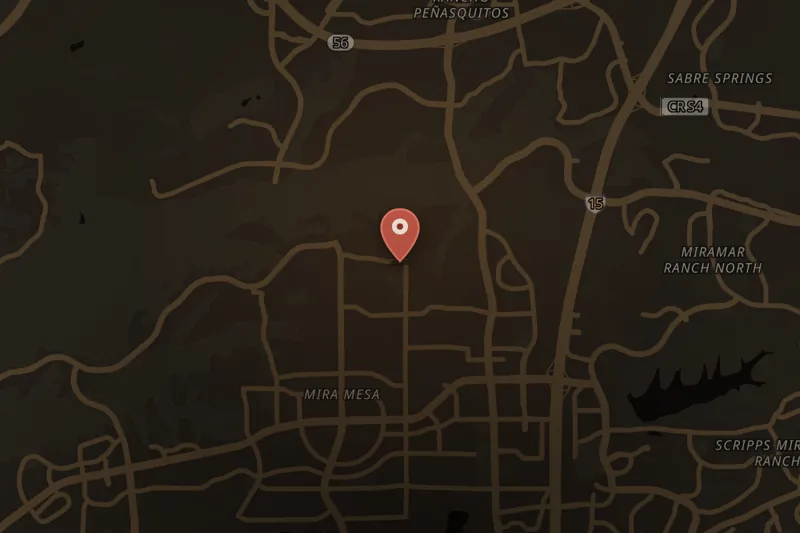
Cara Evelyn Knott, a 20-year-old student at San Diego State University, disappeared on the night of December 27, 1986, while driving south on Interstate 15 from her boyfriend's home in Escondido, California, to her parents' house in El Cajon. She was last seen alive at a Chevron gas station about two miles from where she was later found. The following day, her car was discovered on a dead-end road at the Mercy Road offramp in San Diego County, and her body was recovered at the bottom of a 65-foot ravine near the Los Peñasquitos Creek Arch Bridge.
The investigation centered on Craig Alan Peyer, a thirteen-year veteran of the California Highway Patrol who had been on duty in a marked patrol vehicle in the area that night. Evidence developed during the investigation indicated that Peyer had directed Knott to pull off the freeway at the isolated offramp and that a struggle occurred in which Knott scratched his face before he assaulted and killed her. A gas station attendant recalled seeing a marked CHP car making a U-turn on the road shortly after Knott drove away. Two days after the murder, Peyer was interviewed on camera by a local television reporter and was seen with facial scratches, which he attributed to falling against a parking-lot fence; investigators later determined the fence was too high to account for the injuries. Witnesses also reported seeing a dishevelled Peyer driving at high speed near the time the murder was believed to have occurred.
Further investigation revealed that Peyer had a pattern of stopping women driving alone on the same offramp, and several women who had encountered him during traffic stops came forward after his television appearance, describing conduct that made them uncomfortable, including physical touching. Some women had complained about Peyer prior to Knott's death, but these complaints had reportedly been dismissed due to his standing within the CHP. Physical evidence tying Peyer to the crime included a distinctive gold rayon fiber on Knott's dress matching his uniform shoulder patch, tire tracks on the bridge, a blood drop on one of Knott's boots consistent with Peyer's rare AB-negative blood type, and rope found in his patrol vehicle that a forensic dentist determined was consistent with rope marks on Knott's neck, though that testimony was later barred from the trial. Alterations were also found in Peyer's patrol logbook and in several traffic tickets he had issued.
Peyer's first trial ended in a hung jury, split 7–5 in favor of conviction. At his second trial, evidence regarding a potential second suspect and a hearsay explanation for his facial scratches was ruled inadmissible. He was convicted of murder and, on August 4, 1988, was sentenced to 25 years to life in prison. Peyer has refused to provide a DNA sample for testing and has been denied parole multiple times, including in 2004, 2008, and 2012, with his next hearing scheduled for January 2027. Cara Knott's father, Sam Knott, died of a heart attack in 2000 near the site where his daughter's body was found, at a memorial garden the family had built there.
Cara Evelyn Knott is born.
Cara Knott disappears while driving from her boyfriend's home in Escondido, California, to her parents' house in El Cajon.
Knott's car is found on a dead-end road at the Mercy Road offramp; her body is recovered at the bottom of a nearby ravine.
Craig Peyer is interviewed on camera by a local TV reporter, visibly bearing facial scratches.
Peyer is sentenced to 25 years to life in prison after conviction in his second trial.
Sam Knott, Cara's father, dies of a heart attack near the memorial site built for his daughter.
Peyer is denied parole at his initial parole hearing after serving 17 years.
Peyer is denied parole for a second time after serving 21 years.
Peyer is denied parole for a third time after serving 25 years.
Victims first. Every legal label is set from public records and court outcomes, not from the prose.
From the record
Coverage is not a source: every fact in this file rests on the records below.
Are you family of someone named in this file? Corrections and removal requests from victims’ families are prioritized.
 Credit: San Quentin State Prison, California Department of Corrections and RehabilitationPublic domainSourceSOLVEDListen
Sabre Springs, San Diego, California, USA · 2000s
Danielle van Dam, a seven-year-old girl, was abducted from her San Diego home in February 2002 and found dead weeks later; her neighbor David Westerfield was convicted of her murder and sentenced to death.
 Credit: Lo2013CC BY-SA 3.0SourceSOLVEDListen
San Diego State University Engineering Building · 1990s
On August 15, 1996, mechanical engineering graduate student Frederick Martin Davidson shot and killed three faculty members during his master's thesis defense at San Diego State University.
 Credit: Unknown authorPublic domainSourceSOLVEDListen
Grover Cleveland Elementary School, San Diego, California · 1970s
On January 29, 1979, a 16-year-old girl opened fire from her home on children and staff at Grover Cleveland Elementary School in San Diego, killing the principal and a custodian and wounding eight children and a police officer.
 Credit: Jgb23CC BY-SA 4.0SourceSOLVEDListen
Blacktown / Prospect, New South Wales, Australia · 1986
Anita Cobby, a 26-year-old nurse, was abducted while walking home from Blacktown railway station in Sydney on 2 February 1986, then raped, tortured and murdered by five men. Her body was found two days later; all five perpetrators were convicted in 1987 and sentenced to life imprisonment without parole.
 Credit: D4444n at en.wikipediaCC BY-SA 3.0SourceSOLVEDListen
Grand Hotel, Brighton, England · 1984
On 12 October 1984 the IRA detonated a long-delay bomb at the Grand Hotel in Brighton in an attempt to assassinate Prime Minister Margaret Thatcher and her cabinet during the Conservative Party Conference. Five people were killed and more than thirty injured; Thatcher was uninjured. IRA member Patrick Magee was convicted in 1986 and sentenced to eight concurrent life terms.
 OVERTURNEDListen
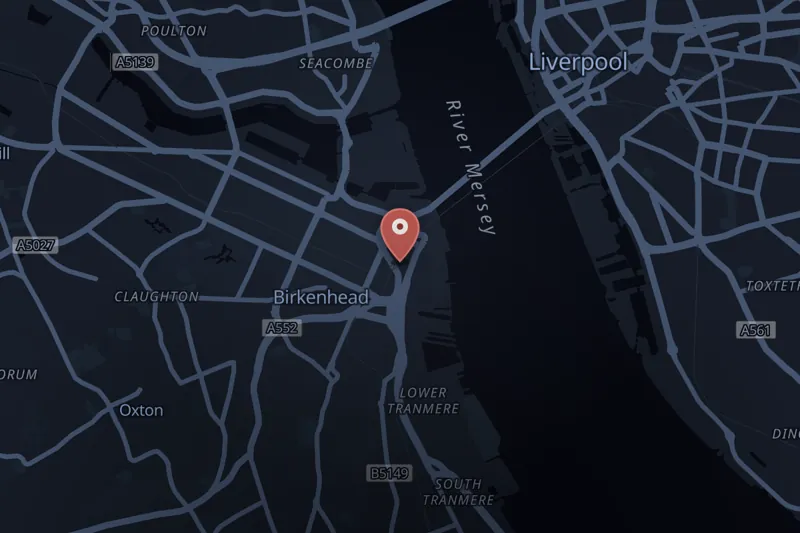
Fearnley Road, off Borough Road, Birkenhead, Merseyside · 1987
Peter Sullivan spent 38 years in prison for the 1986 murder of Diane Sindall before DNA evidence exonerated him in May 2025, making him the longest-serving known victim of a miscarriage of justice in British history. The real perpetrator remains unidentified.
 Image recordEditorial useSourceSOLVEDListen
Austin, Texas · 2022
Moriah Wilson, a 25-year-old professional cyclist, was shot and killed at a friend's residence in Austin, Texas, on May 11, 2022, and Kaitlin Armstrong was later convicted and sentenced to 90 years in prison for the killing.
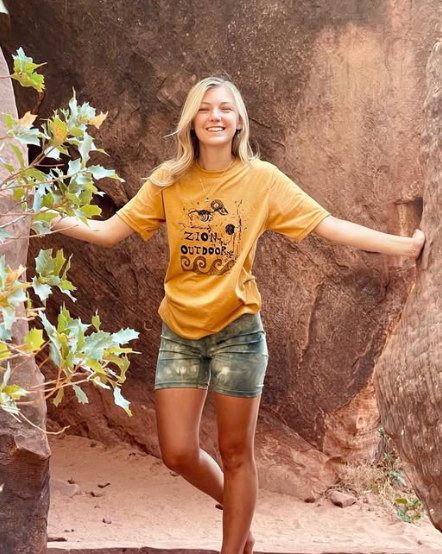 Credit: Instagram/@gabspetito, widely distributed in press coverageEditorial useSourceSOLVEDListen
Bridger–Teton National Forest, Wyoming · 2021
Gabby Petito, a 22-year-old travel vlogger, was killed by strangulation and blunt-force trauma in August 2021 while on a cross-country van trip with her fiancé, Brian Laundrie. Laundrie returned to Florida alone, was named a person of interest, and later died by suicide, leaving a note admitting he had killed her.
 Credit: Wikimedia Commons, photo by Glenn Francis (PacificProDigital.com)Editorial useSourceSOLVEDListen
Hollywood Hills, Los Angeles, California · 2014
Amie Harwick, a Los Angeles marriage and family therapist and author, was strangled and thrown from her third-floor Hollywood Hills balcony on February 15, 2020, by an ex-boyfriend who had a history of stalking her. He was convicted of first-degree murder in 2023 and sentenced to life without parole.
 COLDListen
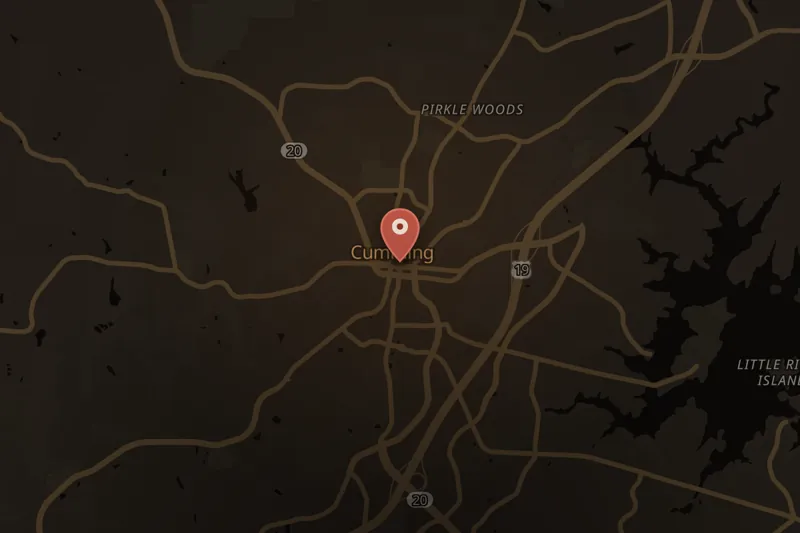
Cumming, Georgia · 2018
Tamla Horsford, a 40-year-old mother of five, died from a fall at a home in Cumming, Georgia, during a gathering on November 3-4, 2018; two separate investigations ruled her death accidental, though her family has disputed that finding and pushed for further inquiry.