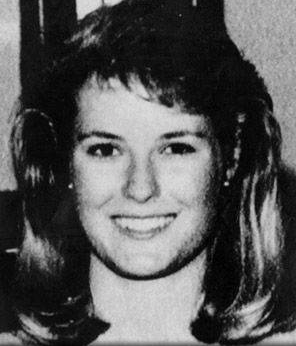
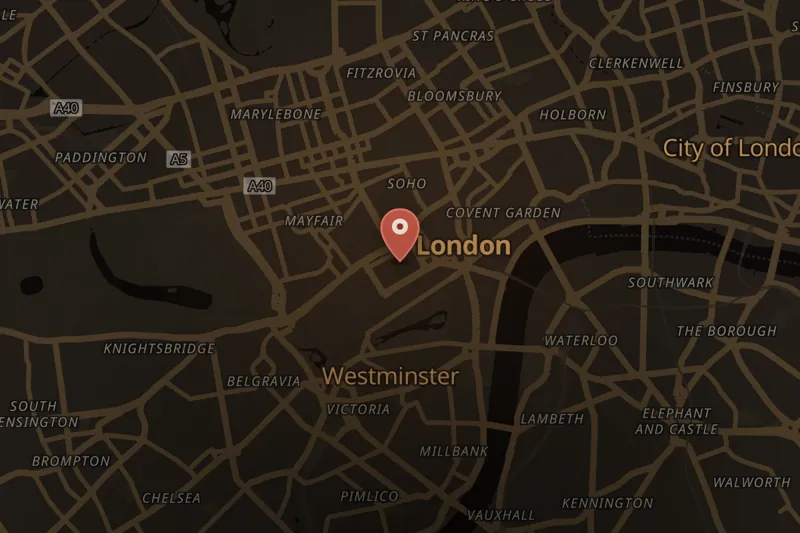
On the morning of 17 April 1984, during a protest organised by the National Front for the Salvation of Libya (NFSL) outside the Libyan People's Bureau (embassy) in St James's Square, London, police constable Yvonne Fletcher was struck by a bullet fired from within the building during a burst of machine-gun fire. She died shortly afterward. The shooting led to an eleven-day standoff between the British and Libyan governments, culminating in Britain breaking diplomatic relations with Libya and the Libyan Bureau occupants returning home under diplomatic immunity. The British Embassy in Tripoli was evacuated and reportedly ransacked, with a skeleton staff of British diplomats relocating to the Italian Embassy.
That same evening, Doug Ledingham, a British Caledonian Airways manager at Tripoli's airport, was arrested by Libyan soldiers. In the weeks following an 8 May 1984 assassination attempt on Muammar Gaddafi by NFSL militants — which led to mass arrests and public hangings in Libya — four more British men working in Libya (Michael Berdinner, Alan Russell, Malcolm Anderson, and Robin Plummer) were detained between 14 and 16 May 1984 by individuals claiming to represent the Gaddafi regime. Some hostages, including Russell and Anderson, were initially questioned and beaten at a separate location before all were eventually consolidated at a facility known as the Italian Mansion.
Over the following months, the hostages received limited consular access, including visits from British Second Consul George Anderson in June and July 1984, during which conditions modestly improved. In Britain, family members of the hostages, including Pat Plummer and Carole Russell, worked with journalists Kate Adie (BBC) and Brent Sadler (ITN) to maintain public and governmental attention on the case. A parliamentary committee reviewing the government's handling of the situation during summer 1984 concluded that officials had acted reasonably given available information.
Doug Ledingham and another detained Briton, George Bush, were released on 1 September 1984, on charges unrelated to the hostage situation. In October 1984, hostages' wives met with Prime Minister Margaret Thatcher, after which Terry Waite, Special Envoy to the Archbishop of Canterbury, traveled to Libya to seek the remaining hostages' release. Russell and Anderson were formally charged in Libyan courts in October and December 1984 with sharing state secrets. On 24 December 1984, Gaddafi confirmed the men as political hostages; Waite held a Christmas service with them. On 6 January 1985, Gaddafi referred the matter to Libya's Basic and General People's Congresses, which voted on 5 February 1985 to approve release, subject to conditions and a short delay. The hostages arrived back in England on 7 February 1985, after 294 days in Libyan custody. Under the terms of the release agreement, public reporting on the incident was restricted until the fall of the Gaddafi government in 2011.

 Credit: CajadajCC0SourceUNSOLVEDListen