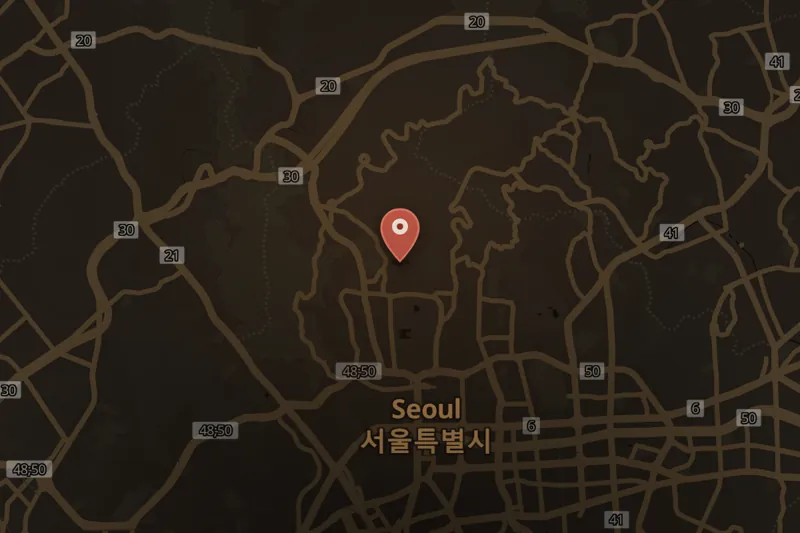
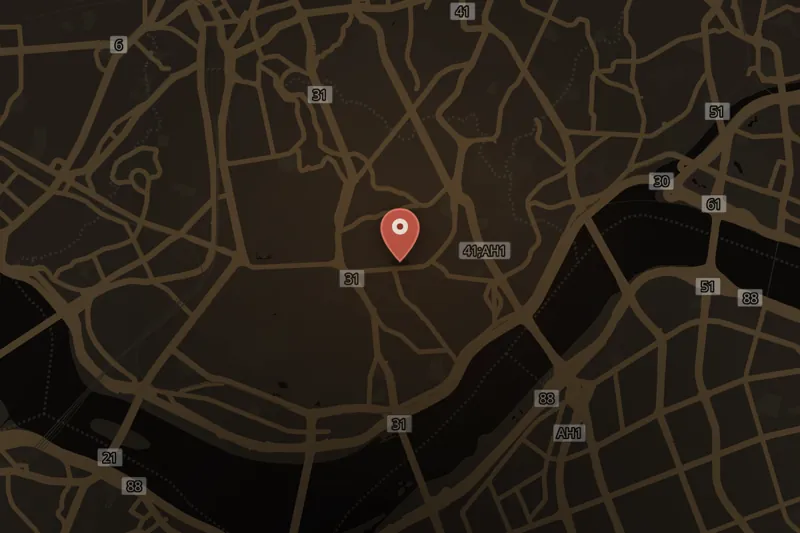
On 26 October 1979, Park Chung Hee, the third president of South Korea, was shot and killed during a dinner at a Korean Central Intelligence Agency (KCIA) safe house near the Blue House presidential compound in the Jongno District of Seoul. According to the source account, it was the first assassination of a head of state on the Korean peninsula in 605 years. The killing is widely known in South Korea as the "10.26 incident."
By the time of his death, Park had held dictatorial power for nearly 18 years. The KCIA, created in 1961, was used to suppress domestic opposition through wiretapping, arrests, and torture. After nearly losing the 1971 election to Kim Dae-jung, Park established the 1972 Yushin Constitution, which removed presidential term limits, allowed him to appoint one-third of the National Assembly, and authorized emergency decrees. Opposition persisted, and in October 1979 the expulsion of opposition leader Kim Young-sam from the National Assembly triggered mass protests in Busan and Masan that the government suppressed.
A rivalry had developed between KCIA director Kim Jae-gyu, appointed in December 1976, and chief presidential bodyguard Cha Ji-chul, appointed in 1974. The two clashed over how to handle the growing unrest, with Cha favoring a hardline response that Park endorsed.
On the evening of 26 October, Park attended a banquet at the safe house with Kim Jae-gyu, Cha Ji-chul, chief secretary Kim Gye-won, and two women. During the meal, discussion turned to the demonstrations and to Kim Young-sam. At about 7:40 p.m., Kim Jae-gyu opened fire, wounding Cha and shooting Park in the chest before his pistol jammed; he returned with a second weapon and shot both men again. Coordinated by Kim, other KCIA agents killed Cha, three presidential bodyguards, and a presidential chauffeur. In total, six people were killed.
In the aftermath, Kim Jae-gyu sought support from Army Chief of Staff Jeong Seung-hwa for a declaration of martial law but did not disclose that he had shot the president. Park's body was taken to an army hospital, where his death was confirmed. Late that night, Kim Gye-won identified Kim Jae-gyu as responsible, and shortly after midnight on 27 October Kim Jae-gyu was arrested. Martial law was declared across the country except Jeju Island. During the ensuing investigation, led by Chun Doo-hwan's Security Command, Chun rose as a new political power.
The source states that those involved were arrested and later executed. Park Heung-ju was executed by firing squad on 6 March 1980, and five others, including Kim Jae-gyu, were hanged on 24 May 1980. Kim Gye-won's death sentence was commuted to life imprisonment, and he was released in 1982. In 2020, Kim Jae-gyu's family sought a retrial; the court approved it in February 2025, and the retrial began in mid-July 2025. The source notes continuing controversy over whether the assassination was a planned coup or an impulsive act.


 SOLVEDListen