Pedro Eugenio Aramburu, a lieutenant general of the Argentine Army who had served as de facto President of Argentina from November 1955 to May 1958 following the 1955 coup that overthrew Juan Perón, was killed by his captors on 1 June 1970. During his presidency, Aramburu had repressed Peronist militants and ordered the execution by firing squad of General Juan José Valle for leading an uprising in 1956. By 1970 he was viewed as a potential candidate for the 1973 presidential election.
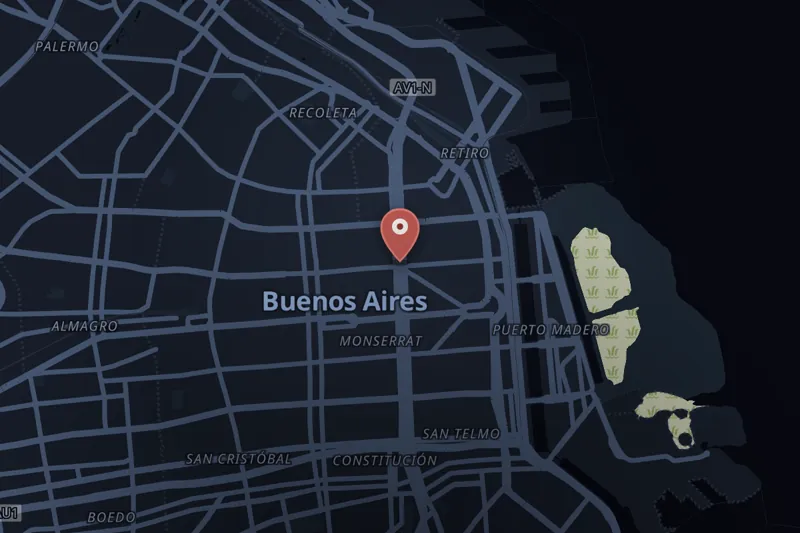
On 29 May 1970, two members of the Montoneros, a growing far-left guerrilla organization, posed as young military officers to gain access to Aramburu's Buenos Aires apartment. They kidnapped the 67-year-old Aramburu and transported him to a farmhouse in Timote, Carlos Tejedor Partido, Buenos Aires Province, as part of an operation the group called "Operation Pindapoy." The Montoneros announced the same day that a unit named after General Valle had carried out the abduction and had opened a "revolutionary trial" against Aramburu on charges including a massacre of civilians in General San Martín Partido and the earlier removal of Eva Perón's body.
Aramburu's family sought Church mediation, and his wife appealed to President Juan Carlos Onganía and later to Army Commander-in-Chief Alejandro Agustín Lanusse to negotiate, since the kidnappers had made no demands. The Montoneros had stated that negotiation over Aramburu's fate was "completely out of the question." On 31 May, the group announced Aramburu had been executed. He was shot four times at 7 a.m. on 1 June 1970 by Montonero member Fernando Abal Medina, with Mario Firmenich and Esther Norma Arrostito also participating.
The killing shocked Argentine society and inflamed anger within the military toward Onganía's handling of the crisis. Onganía condemned the killing, described Argentina as at war with groups seeking chaos, and reinstated capital punishment by decree on 2 June. He was removed from office by the military Junta on 7 June 1970 and succeeded by Roberto Marcelo Levingston. In the following weeks, Montoneros publicized statements justifying the killing as retaliation for Aramburu-era repression, including Valle's execution. On 9 June 1970, security forces conducted nationwide raids targeting suspected Montoneros militants, resulting in deaths of civilians and military personnel.
Aramburu received a state funeral with military honors. In 1974, Montoneros militants removed his body from La Recoteta Cemetery, pressuring the government of Isabel Martínez de Perón to repatriate Eva Perón's remains from Spain; Aramburu's body was later returned and reinterred. Later Argentine investigative journalists raised alternative theories suggesting Onganía-government involvement in the operation, including claims attributed to former officials and Aramburu's son, though these accounts remain contested versions rather than established findings.

 UNSOLVEDListen