Casepin
Back to cases

Case file

Bombing of Plaza de Mayo

SOLVED1955Plaza de Mayo, Buenos Aires, Argentina3 SOURCESUPDATED JUL 2026

Documents violence · crimes against children · suicide — written to inform, not to shock.

Illustrative

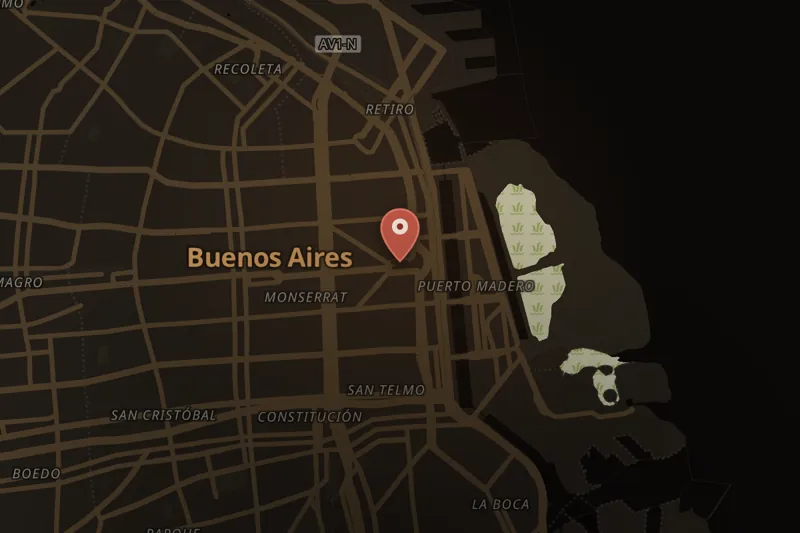
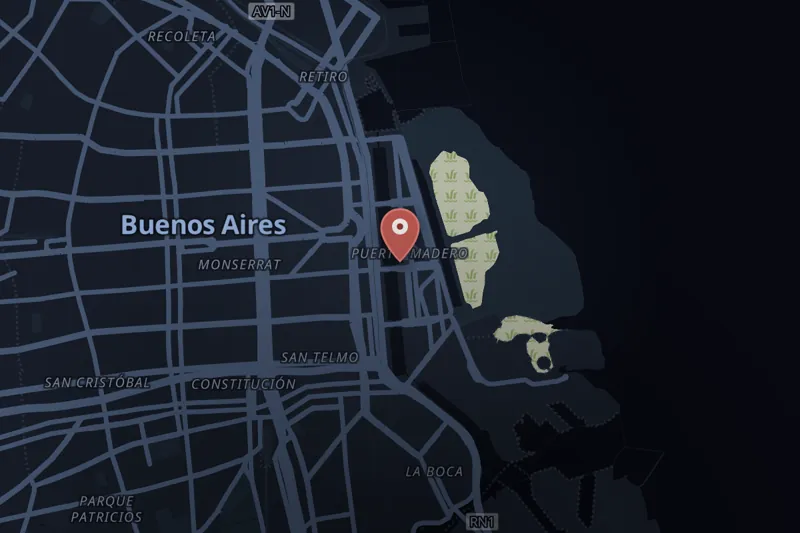
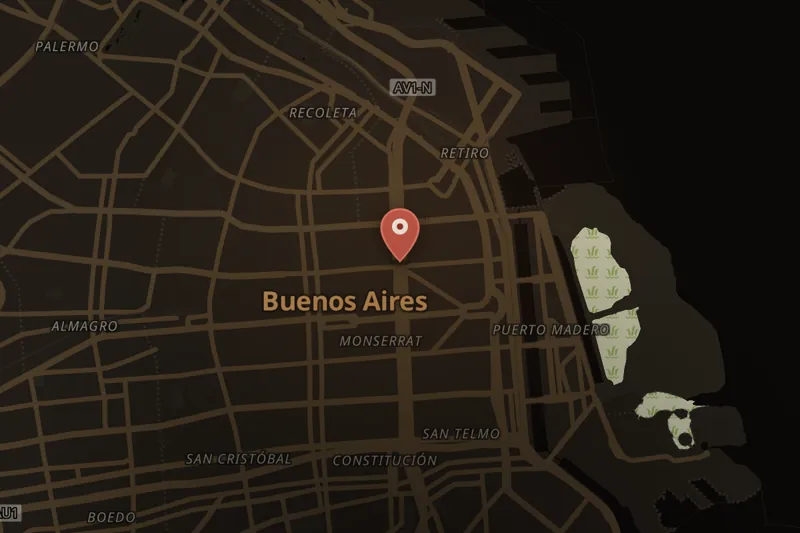
On 16 June 1955, thirty Argentine Naval Aviation aircraft — 22 North American AT-6s, five Beechcraft AT-11s, and three Consolidated PBY Catalina flying boats — took off from Morón Air Base and bombed and strafed Plaza de Mayo, the main square of Buenos Aires, and the adjacent Casa Rosada, seat of the Argentine government. The attack occurred during official demonstrations organized in support of President Juan Perón, held to condemn an alleged flag-burning incident by his opponents during a recent Corpus Christi procession. It formed the opening phase of an attempted coup d'état against Perón that was ultimately unsuccessful.

The attack began at 12:40 pm on a Thursday during working hours, without warning, striking a crowded city center. Early casualties included passengers of a trolleybus, killed when a bomb struck it directly. Rebel Marine infantry companies attempted to seize the Casa Rosada but were repelled by loyalist Army and Mounted Grenadier forces. As union leaders mobilized workers to defend the government, large crowds gathered near the Casa Rosada and were caught in the open when the main air assault, including Gloster Meteor fighters, struck around 15:00, causing the bulk of civilian casualties. Aerial combat also occurred, with a loyalist Meteor downing a rebel AT-6 over the Río de la Plata.

Fighting ceased at 17:20 local time after the rebel-held Ministry of the Navy surrendered to Army units. Between 9.5 and 13.8 tonnes of ordnance were dropped during the operation. Death toll estimates vary by source: an official police report by commissioner Rafael C. Pugliese dated 22 June 1955 recorded 136 dead, including five police officers, based on hospital and morgue records; Peronist sources at the time claimed around 400 dead; a 1965 magazine account described roughly five hundred dead or seriously injured; and a broader tally cited elsewhere put identified bodies at 308, including six children. In 2023, Argentina's Chamber of Deputies released an updated report stating that 111 trade unionists of the General Confederation of Labour (CGT) were among the dead, along with six minors, one aged three. Combined rebel and loyalist military casualties totaled 44.

Following the failed coup attempt, rebel pilots fled to Uruguay, where several were interned until Perón's eventual overthrow in September 1955 in a separate coup, the Revolución Libertadora. One rebel leader involved in the June bombing, Gargiulo, died by suicide after being informed he would face trial under martial law. That same night, Peronist crowds set fire to eight churches, two basilicas, and the Curia office in retaliation for perceived Catholic Church support of the coup plotters. Bullet and shrapnel marks remained visible on some buildings at the square as of 2023.

Key facts

Victims
César Augusto Puchulu, José María Bacalja, Alfredo Aulicino, Ramón Alderete, Rodolfo Nieto
Date
1955
Location
Plaza de Mayo, Buenos Aires, Argentina
Case status
solved

Case timeline

  1. 1946

    Juan Perón wins the Argentine general election and begins implementing reformist policies.

  2. 1952-07

    First lady Eva Perón dies, diminishing Perón's popular appeal and party support.

  3. 1955-06-16

    Argentine Navy and Air Force planes bomb and strafe Plaza de Mayo and the Casa Rosada during an attempted coup against President Perón; ground fighting occurs between rebel and loyalist forces.

  4. 1955-06-17

    Rebel coup leaders Olivieri, Toranzo Calderón, and Gargiulo are informed they will be tried under martial law; Gargiulo dies by suicide.

  5. 1955-06-22

    Police commissioner Rafael C. Pugliese issues an official report putting the death toll at 136.

  6. 1955-09

    A broader military coup, the Revolución Libertadora, overthrows President Perón.

  7. 1958

    Arturo Frondizi wins presidential elections, ending the military dictatorship that followed Perón's overthrow.

  8. 1963

    Rebel leader Miguel Ángel Zavala Ortiz is appointed Minister of Foreign Affairs and Worship by President Arturo Illia.

  9. 1965

    A journalist from Extra magazine claims around five hundred people were killed or heavily injured in the attack.

  10. 2023

    Argentina's Chamber of Deputies releases an updated report on casualties, including details on trade unionists and minors killed.

Best coverage

No approved coverage links are attached yet.

People

  • César Augusto Puchulu

    VICTIM

    Retired police agent, killed in the attack.

    citation on file

  • José María Bacalja

    VICTIM

    Police agent, 1st Mechanical Workshop and Garage Section, killed in the attack.

    citation on file

  • Alfredo Aulicino

    VICTIM

    Senior police officer, head of the Personnel Section of the Communications Directorate, killed in the attack.

    citation on file

  • Ramón Alderete

    VICTIM

    Police agent, Traffic Police Corps, killed in the attack.

    citation on file

  • Rodolfo Nieto

    VICTIM

    Police sub-inspector, 1st Political Order Section, killed in the attack.

    citation on file

Places

Common questions

What happened to the victim?
On 16 June 1955, Argentine Navy and Air Force planes bombed and strafed Plaza de Mayo and the Casa Rosada in Buenos Aires during an attempted coup against President Juan Perón, killing well over a hundred civilians and combatants.
Where did the bombing happen?
Plaza de Mayo, Buenos Aires, Argentina.
What is the current status of the case?
Status: solved. Last verified July 2026.

Sources

  1. Bombing of Plaza de Mayowikipedia · Wikipedia · 2026-07-07
  2. Contemporaneous coverage — history.state.govnews · history.state.gov · 2026-07-07
  3. Contemporaneous coverage — Historynews · History · 2026-07-07

Last verified JUL 2026