Overview
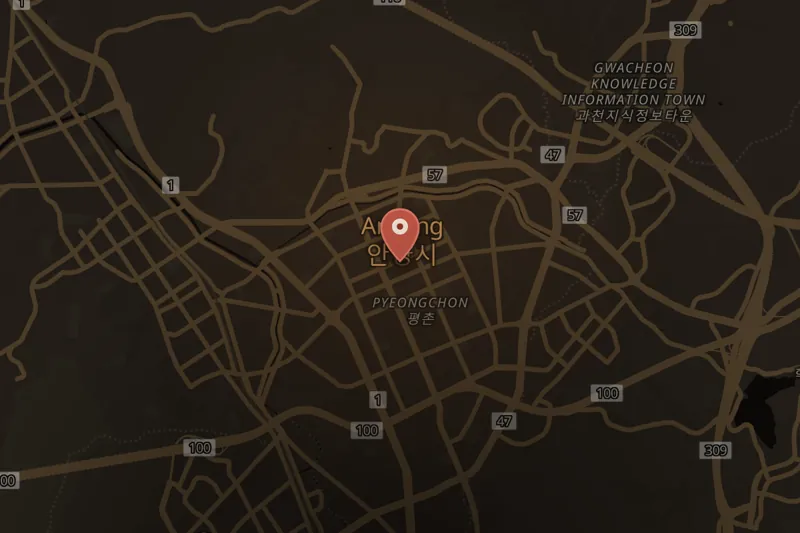
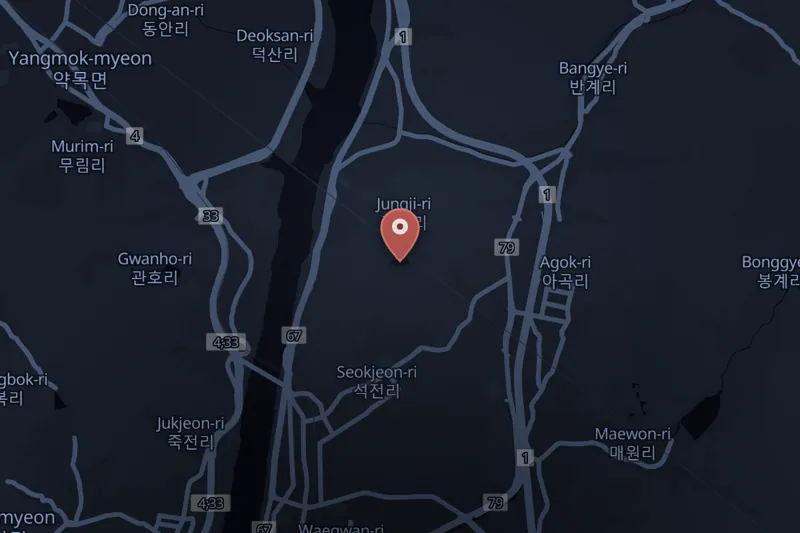
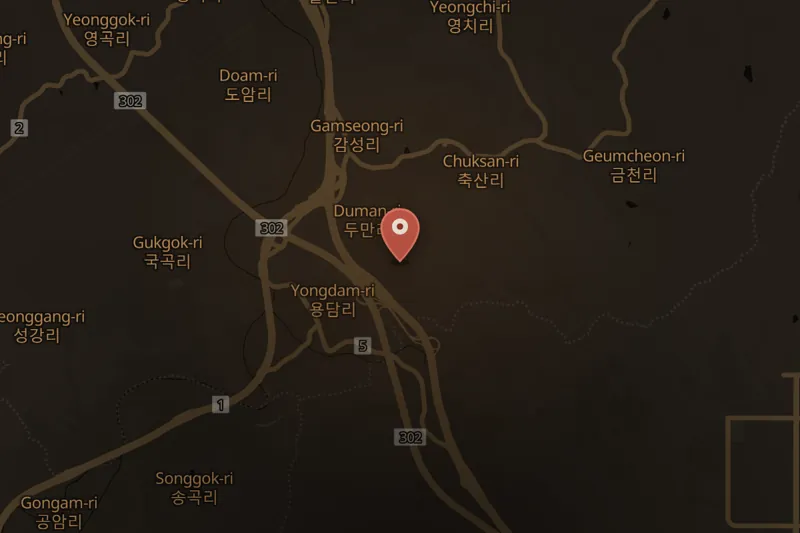
The Chaplain–Medic massacre occurred on July 16, 1950, on a mountain above the village of Tuman (present-day Duman-ri, Geumnam-myeon, Sejong City), South Korea, during the Battle of the Kum River in the early Korean War. Thirty unarmed, critically wounded U.S. Army soldiers and an unarmed chaplain were killed by members of the Korean People's Army. Some South Korean local accounts place the location on a mountain above the nearby village of Yongdam-ri.
Military context
Troops of the U.S. 19th Infantry Regiment, 24th Infantry Division, were engaged along the Kum River near Daejon when KPA forces of the 3rd Division launched a heavy barrage and river crossing at 03:00 on July 16, 1950. KPA troops broke through and established a roadblock behind the 19th Infantry's line near Tuman, cutting off resupply and preventing evacuation of the wounded. Despite repeated attempts using armor, airstrikes, and infantry assaults, U.S. forces could not clear the roadblock. As the roadblock persisted through the day, U.S. troops were ordered to move their wounded through the surrounding mountains instead.
The massacre
At 21:00, about 100 soldiers of the 19th Infantry moved into the hills east of Tuman carrying roughly 30 wounded soldiers, including litter-bound patients. Exhaustion forced many carriers to leave the seriously wounded at the top of a mountain, attended only by the regimental medical officer, Captain Linton J. Buttrey, and Chaplain Herman G. Felhoelter, both unarmed non-combatants identified by Red Cross and chaplain insignia. A KPA patrol discovered the group. Felhoelter urged Buttrey to flee; Buttrey was shot and wounded in the ankle but escaped. Felhoelter remained, administering last rites to the wounded. KPA troops shot him in the head and back as he knelt in prayer, then killed all thirty wounded soldiers with automatic weapons before withdrawing. The event was witnessed from a distance by other members of the 19th Infantry using binoculars.
Aftermath and investigations
U.S. forces recovered only three bodies, including Felhoelter's, and were unable to capture any KPA participants. Felhoelter was posthumously awarded the Distinguished Service Cross, becoming the first Korean War chaplain to receive a valor award; his remains are buried in St. Michael's Cemetery, Louisville. The incident, along with the Hill 303 and Bloody Gulch massacres, prompted U.S. commanders to establish a war crimes commission on July 27, 1950. In late 1953, a U.S. Senate Committee on Government Operations investigation led by Joseph McCarthy examined reported Korean War atrocities, during which the incident was formally named and Buttrey testified as the sole survivor of the executions. Research indicates KPA command did not directly order mistreatment of wounded or prisoners early in the war, attributing such incidents to uncontrolled units or desperate battlefield conditions; a July 28, 1950, intercepted KPA order explicitly prohibited killing prisoners of war.


 Credit: Muller504, via Wikimedia CommonsCC BY-SA 3.0SourceSOLVEDListen