Casepin
Back to cases

Case file

Goyang Geumjeong Cave massacre

SOLVED1950Geumjeong Cave, Goyang, Gyeonggi-do, South Korea3 SOURCESUPDATED JUL 2026
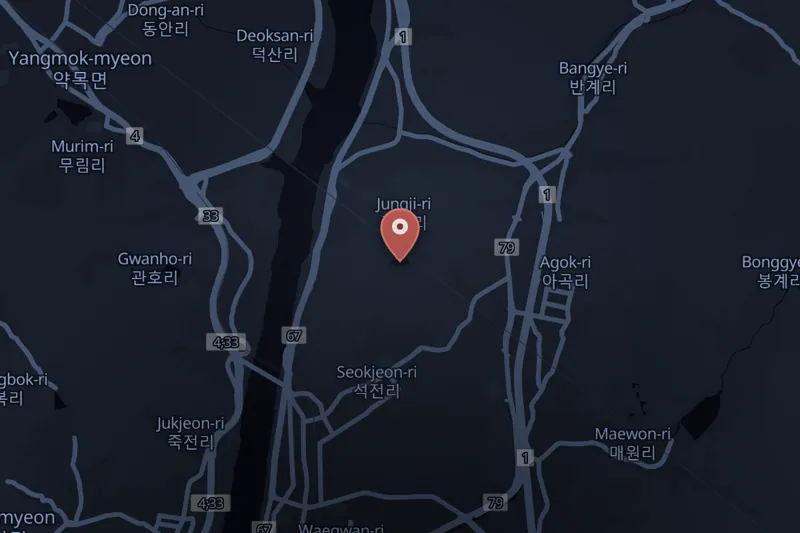
Map Goyang-si
Map Goyang-si — Credit: CC BY-SA 3.0

Background

Following the South Korean-led recapture of Seoul in the Second Battle of Seoul during the Korean War, South Korean authorities in Goyang, Gyeonggi-do, arrested individuals suspected of sympathizing with North Korean forces. Between 9 October 1950 and 31 October 1950, police detained these individuals along with their families and summarily executed them at the site of a former gold mine known as Geumjeong Cave. In total, 153 unarmed civilians were killed. The killings occurred around the same time as the Namyangju massacre in the neighboring area of Namyangju.

Victims

The Truth and Reconciliation Commission (South Korea), which later investigated the killings, found that most of the 153 victims, including eight teenagers and seven women, had no relation to rebel or partisan activity.

Discovery and investigation

In 1995, families of the victims excavated the remains of the 153 people killed at the site. Years later, the Truth and Reconciliation Commission examined the case as part of its broader review of wartime and postwar civilian killings in South Korea.

Government response and legal proceedings

In June 2006, the Truth and Reconciliation Commission called on the South Korean government to apologize to victims' families and erect a memorial at the site. The government did not act on this recommendation. In 2007, the Commission renewed its demand, calling for an apology, compensation, and a memorial; the government again declined to act on these recommendations.

The matter subsequently went before the courts. On 28 November 2011, the Seoul Central District Court ordered the South Korean government to apologize to victims' families, pay reparations, and fund a memorial commemorating those killed.

Status

Key facts

Victims
On file
Date
1950
Location
Geumjeong Cave, Goyang, Gyeonggi-do, South Korea
Case status
solved

Case timeline

  1. 1950-10-09

    Police in Goyang, Gyeonggi-do begin arresting and summarily executing individuals suspected of sympathizing with North Korea, along with their families, at a former gold mine site (Geumjeong Cave).

  2. 1950-10-31

    The period of killings at Geumjeong Cave ends; 153 unarmed civilians had been killed in total.

  3. 1995

    Families of the victims excavate the remains of the 153 people killed at the site.

  4. 2006-06

    The Truth and Reconciliation Commission demands the South Korean government apologize and erect a monument for the victims; the government does not act on the recommendation.

  5. 2007

    The Truth and Reconciliation Commission renews its demand for an apology, compensation, and a memorial for the victims; the government again does not act.

  6. 2011-11-28

    The Seoul central court orders the South Korean government to apologize, pay reparations, and fund a memorial to the victims' families.

Best coverage

No approved coverage links are attached yet.

People

No public people records are attached yet.

Archival records

  • Map Goyang-si

    other document

    Map Goyang-si

    Credit: CC BY-SA 3.0 · Source

Places

Common questions

What happened to the victim?
Between 9 and 31 October 1950, police in Goyang, Gyeonggi-do, South Korea, summarily executed 153 unarmed civilians and their family members at a former gold mine on suspicion of sympathizing with North Korea, following the Second Battle of Seoul.
Where did the massacre happen?
Geumjeong Cave, Goyang, Gyeonggi-do, South Korea.
What is the current status of the case?
Status: solved.

Sources

  1. ENCYCLOPEDICGoyang Geumjeong Cave massacreWikipedia · 2026-07-07
  2. PRESSContemporaneous coverage — hani.co.krhani.co.kr · 2026-07-07
  3. PRESSContemporaneous coverage — news.donga.comnews.donga.com · 2026-07-07

Record history

First published
JUL 07, 2026