
Solved case
Kafr Qasim massacre
On 29 October 1956, Israel Border Police shot and killed 48 Palestinian citizens of Israel — including 19 men, 6 women, and 23 children — as they returned unaware to Kafr Qasim during a wartime curfew imposed without adequate notice.

On the eve of the 1956 Suez (Sinai) War, the Israeli army ordered a wartime curfew on Arab villages near the Green Line, the then de facto border with Jordanian-held territory. In the Central District ("Triangle"), Colonel Yissachar Shadmi altered the standard curfew hours for the twelve villages under his command and instructed battalion commanders to shoot on sight anyone violating it. Major Shmuel Malinki, commanding the Border Guard unit at Kafr Qasim, testified that when he raised the issue of villagers who would be unaware of the new curfew, Shadmi told him he wanted no "sentimentality" and no arrests. Malinki in turn ordered his men that anyone leaving their home during curfew should be shot, with no arrests to be made.
The new curfew took effect before roughly 400 villagers working outside Kafr Qasim in the fields could be informed. Between about 5:00 p.m. and 6:30 p.m. on 29 October 1956, a platoon led by Lieutenant Gabriel Dahan carried out nine separate shooting incidents against residents, including laborers and schoolchildren, returning home unaware of the curfew. The killings totaled 48 people: 19 men, 6 women, 10 teenage boys (14–17), 6 girls (12–15), and 7 young boys (8–13). Survivor Jamal Farij described being fired on after being told his group's identity cards were not needed. One of the soldiers involved, Shalom Ofer, later said the unit "acted like Germans, automatically," without expressing remorse. The wounded went unattended for hours under the 24-hour curfew, and the dead were buried in a mass grave with the help of laborers brought from a neighboring village. In other villages under Shadmi's jurisdiction, no killings occurred because some local commanders refused to carry out the shoot-on-sight order.
Israel's military censor initially barred press coverage; word spread only after two Knesset members entered the village weeks later, and a media blackout was not lifted for roughly two months. Eleven Border Police officers and soldiers were court-martialed for murder before Judge Benjamin Halevy. On 16 October 1958, eight were convicted and sentenced to prison terms of seven to 17 years; Malinki received 17 years and Dahan 15. Shadmi, tried separately, was acquitted of murder and convicted only of exceeding his authority in extending the curfew, receiving a symbolic fine of 10 prutot. On appeal, sentences were reduced, then further reduced by the Chief of Staff, and finally curtailed by presidential pardon and remission; all convicted persons were released by November 1959. Malinki was later placed in charge of security at the Negev Nuclear Research Center, and Dahan was placed in charge of "Arab Affairs" in Ramla.
The trial produced Judge Halevy's widely cited "black flag" standard for when soldiers must disobey manifestly illegal orders. Documents released after a 2022 legal fight, including a secret trial transcript, described a reported plan referred to as Operation Hafarperet, said to have contemplated pushing Kafr Qasim residents across the border into Jordanian-held territory. In December 2007, President Shimon Peres formally apologized to the village. In October 2021, a Knesset bill to officially recognize the massacre was defeated 93–12.
Key facts
- Victims
- Jamal Farij
- Date
- 1956
- Location
- Kafr Qasim, Israel
- Case status
- solved
Case timeline
1956-10-29
Israel Border Police impose an altered wartime curfew on Kafr Qasim and other villages; 48 residents returning unaware of the curfew are shot and killed.
1956-11-01
Israeli government opens an internal inquiry, including the Criminal Investigations Division of the military police.
1956-11-12
Prime Minister David Ben-Gurion makes his first public reference to the incident.
1957-11-20
A government-organized reconciliation ceremony ('sulha') is held at Kafr Qasim.
1958-10-16
Eight Border Police officers and soldiers are convicted at court-martial and sentenced to prison terms of seven to 17 years.
1959-02
Colonel Yissachar Shadmi is tried separately, acquitted of murder, convicted only of exceeding authority, and fined 10 prutot.
1959-04-03
Court of appeal reduces Malinki's sentence to 14 years and Dahan's to 10 years.
1959-11
All convicted persons are released from prison following further sentence reductions and presidential pardons.
2006-10
Israel's education minister orders schools to observe the massacre; a museum on the events opens on 29 October 2006.
2007-12
President Shimon Peres formally apologizes for the massacre during a visit to Kafr Qasim.
2014-10-26
President Reuven Rivlin becomes the first sitting Israeli president to attend the annual commemoration at Kafr Qasim.
2021-10-26
A Knesset bill to officially recognize the massacre is defeated by a vote of 93 to 12.
2022-05
Following public criticism, a military appellate tribunal permits publication of the ruling and many primary documents related to the case.
Best coverage
No coverage has been attached to this file yet.
People
Benjamin Halevy
LAW ENFORCEMENTJudge who presided over the court-martial and articulated the 'black flag' standard for manifestly illegal orders.
Gabriel Dahan
CONVICTEDLieutenant who led the platoon that carried out the shootings; convicted and sentenced to 15 years (later reduced), released by November 1959.
Shmuel Malinki
CONVICTEDMajor, commander of the Border Guard unit at Kafr Qasim; convicted at court-martial and sentenced to 17 years (later reduced), released by November 1959.
Yissachar Shadmi
ACQUITTEDColonel and brigade commander who ordered the altered curfew; tried separately, acquitted of murder, convicted only of exceeding authority and fined 10 prutot.
Jamal Farij
VICTIMSurvivor of the shootings, described being fired on while returning to Kafr Qasim.
Roles reflect public records and court outcomes at the time of writing — supporting citations are on file under Sources.
Archival records
archival location
File:KafrQasimMemorial.jpg
Credit: User:Zero0000 · Public domain · Source
Places
Common questions
- What happened to the victim?
- On 29 October 1956, Israel Border Police shot and killed 48 Palestinian citizens of Israel — including 19 men, 6 women, and 23 children — as they returned unaware to Kafr Qasim during a wartime curfew imposed without adequate notice.
- Where did the massacre happen?
- Kafr Qasim, Israel.
- Who was convicted?
- Gabriel Dahan (Lieutenant who led the platoon that carried out the shootings; convicted and sentenced to 15 years (later reduced), released by November 1959.) and Shmuel Malinki (Major, commander of the Border Guard unit at Kafr Qasim; convicted at court-martial and sentenced to 17 years (later reduced), released by November 1959.).
- What is the current status of the case?
- Status: solved.
Related cases
View all cases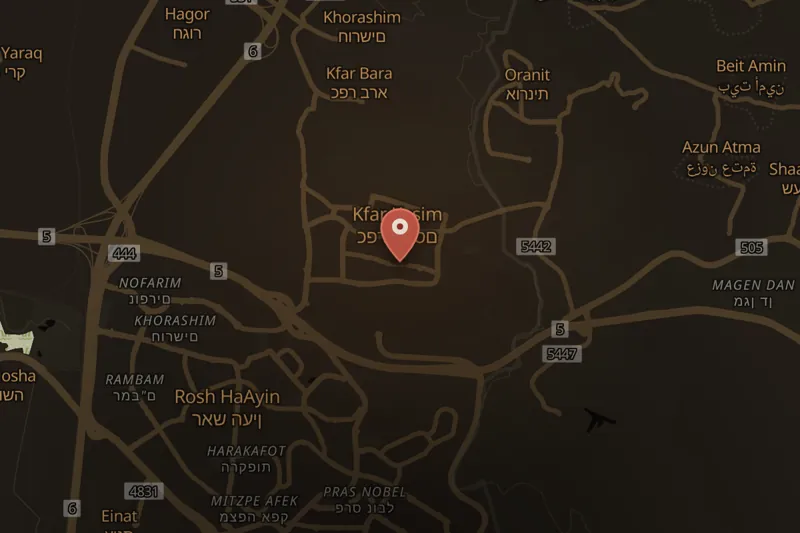
Murder of Reuven Shmerling
Kfar Qasim, Israel
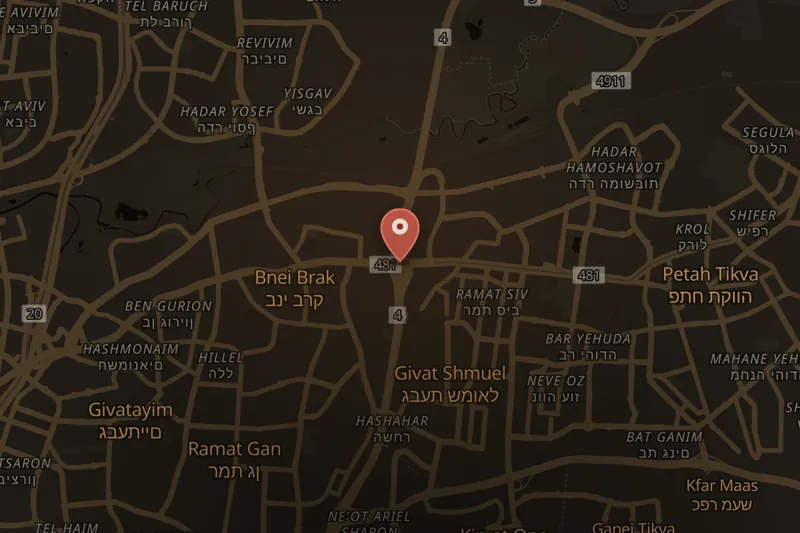
Geha Interchange bus stop bombing
Geha Interchange, outskirts of Tel Aviv, Israel

Karnei Shomron Mall suicide bombing
Karnei Shomron settlement, West Bank

Batepá Massacre
Batepá, São Tomé

Qibya massacre
Qibya, West Bank
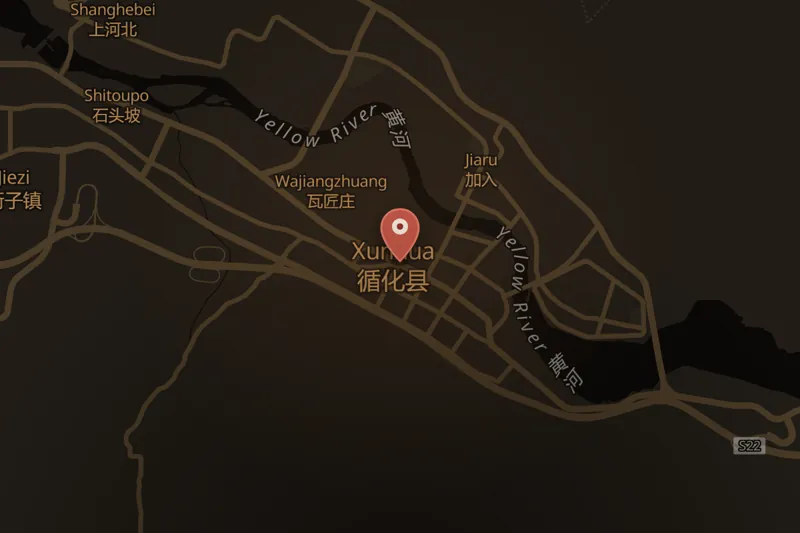
Xunhua Incident
Xunhua Salar Autonomous County, Qinghai, China
Sources
- ENCYCLOPEDICKafr Qasim massacreWikipedia · 2026-07-10
- PRESSSealed Protocols From 1956 Kafr Qasem Massacre to Be PublishedHaaretz · 2026-07-10
- PRESSDavar newspaper archive, 21 November 1957 editionNational Library of Israel · 2026-07-10
Record history
- First published
- JUL 10, 2026
When a file you follow changes — a new development, a correction, fresh coverage — the Dispatch is how you hear about it.
The Casepin Dispatch
A calm weekly briefing from the archive — one case worth understanding, meaningful updates to files you follow, and the best new coverage. You’ll also get the one-time note when the apps land. No gore, no rumor, no drip.