Casepin
Back to cases
Illustrative

Death flights (Spanish: *vuelos de la muerte*) are a documented form of extrajudicial killing in which victims — living or already dead — were dropped from aircraft into oceans, large rivers, lakes, or mountainous terrain. The practice has been recorded in multiple internal conflicts across several countries during the 20th century.

The most extensively documented use of death flights occurred during Argentina's 1976–1983 Dirty War. According to Argentina's National Commission on the Disappearance of Persons, 8,961 people disappeared during this period, though human rights groups often cite figures as high as 30,000, with Amnesty International estimating 20,000. Many disappeared persons were killed via death flights, a practice reportedly initiated by Admiral Luis María Mendía. Victims were typically detained, tortured, drugged, stripped, loaded onto aircraft, and dropped into the Río de la Plata or the Atlantic Ocean. Former naval officer Adolfo Scilingo, convicted in Spain in 2005 for crimes against humanity, testified there were an estimated 180–200 death flights during 1977–1978 and personally participated in two, resulting in 30 deaths. He estimated flights occurred weekly over two years, killing 1,500 to 2,000 people total.

Subsequent investigations led to further prosecutions. Pilot Julio Alberto Poch was extradited from Spain to Argentina in 2010 and was found not guilty at trial in 2013. In 2015, additional arrests were made connected to the Batallón de Aviación del Ejército 601, a military unit reportedly established to carry out the flights. In 2016, Juan Carlos Francisco Bossi was arrested in Colombia on an Interpol notice tied to Argentine allegations regarding the death flights and forced disappearances.

Investigative work by photographer Giancarlo Ceraudo and journalist Miriam Lewin — the latter a survivor of the ESMA detention center — traced an Argentine Naval Prefecture Short SC.7 Skyvan aircraft (serial 'PA-51') to Florida, recovering flight logs including an entry for a flight on 14 December 1977. This evidence contributed to the 2017 conviction of pilots Mario Daniel Arrú and Alejandro Domingo D'Agostino for the murder of eight women and four men on that flight. A third crew member, Enrique José de Saint Georges, was charged but died awaiting trial. A broader five-year "ESMA mega-trial" of 54 former officials concluded on 29 November 2017, with 29 defendants sentenced to life imprisonment, six acquitted, and nineteen given prison terms of eight to 25 years.

Similar practices have been alleged in other countries: under the Pinochet government in Chile, where a former helicopter pilot and secret police agent described disposing of victims at sea, and where President Ricardo Lagos stated in 2001 that 120 civilians had been thrown into Chilean waters; during the Colombian Violencia (1948–1958); by French forces during the 1947 Malagasy Uprising and the 1957 Battle of Algiers; during Indonesia's occupation of East Timor; during the Bougainville conflict in Papua New Guinea; by South Africa's apartheid-era Delta 40 unit; and during the Mobutu era in Zaire.

Key facts

Victims
Miriam Lewin, Venâncio Gomes da Silva
Date
1976
Location
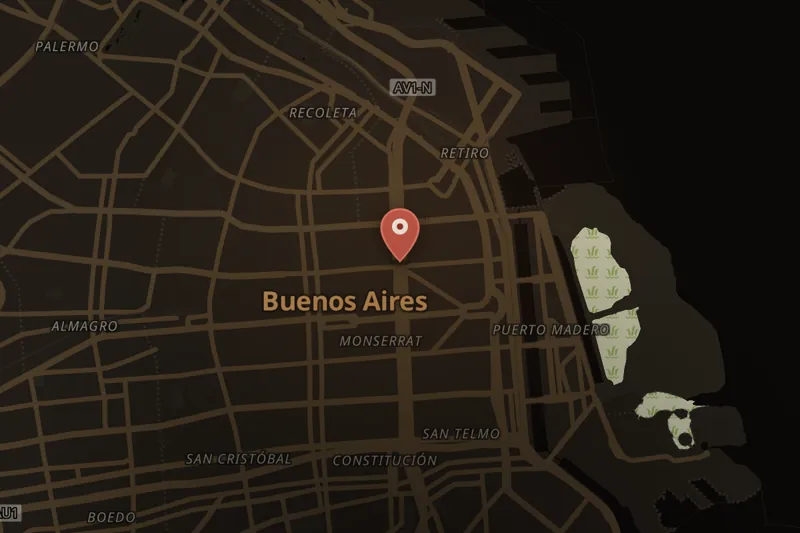
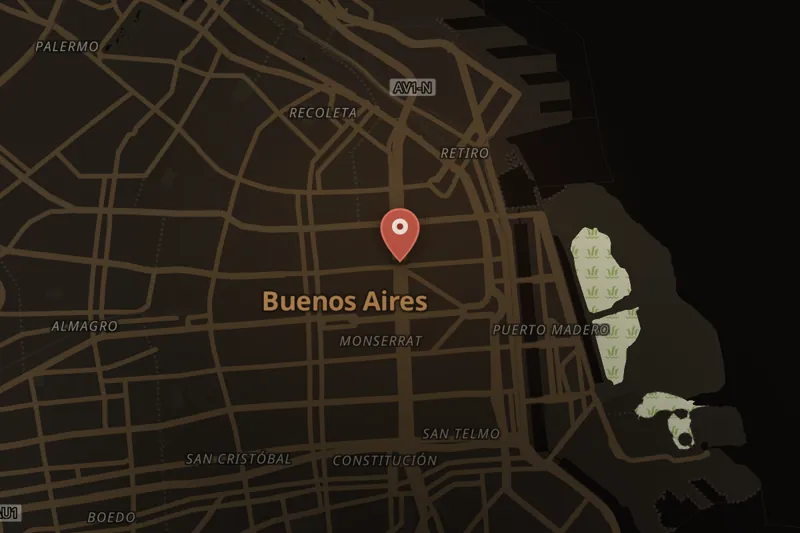
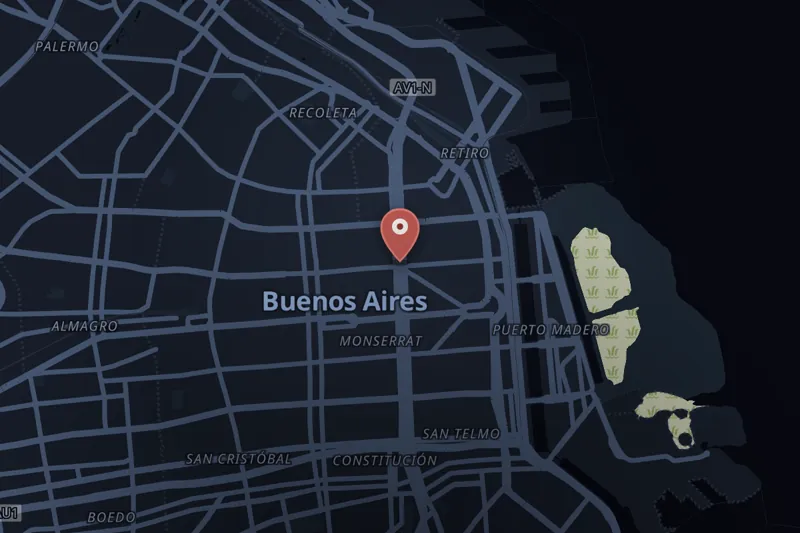
Buenos Aires, Argentina (primary documented site; practice also reported in Chile, Colombia, France/Algeria, Madagascar, East Timor, Papua New Guinea, South Africa, and Zaire)
Case status
solved

Case timeline

  1. 1947

    Death flights reported during the Malagasy Uprising in French Madagascar, including killings of prisoners thrown from aircraft in Mananjary.

  2. 1957

    French paratroopers under Jacques Massu use death flights during the Battle of Algiers in the Algerian War.

  3. 1976

    Argentine military dictatorship begins the Dirty War; disappearances and death flights, reportedly initiated by Admiral Luis María Mendía, follow.

  4. 1977-12-14

    A Short SC.7 Skyvan aircraft (serial PA-51) carries out a death flight later linked to the murder of eight women and four men; flight logs later recovered.

  5. 1979-07-12

    South African apartheid government reportedly begins death flight executions using the Delta 40 unit of the South African Defence Force.

  6. 1988

    Bougainville conflict begins in Papua New Guinea; PNG Defence Force later accused of disposing of bodies via helicopter death flights.

  7. 1995

    Chilean secret police agent Osvaldo Romo confesses in an interview to participating in death flights.

  8. 1996

    Adolfo Scilingo gives an interview describing the death flight process during Argentina's Dirty War.

  9. 2001-01

    Chilean President Ricardo Lagos states that 120 civilians were thrown from helicopters into Chilean waters during Pinochet's rule.

  10. 2003

    Photographer Giancarlo Ceraudo and journalist Miriam Lewin begin investigating aircraft used in Argentina's death flights.

  11. 2005

    Adolfo Scilingo is convicted in Spain of crimes against humanity under universal jurisdiction for his role in death flights.

  12. 2009-09-23

    Pilot Julio Alberto Poch is arrested in Valencia, Spain, wanted in Argentina over alleged death flight participation.

  13. 2010-05

    Spain extradites Julio Alberto Poch to Argentina.

  14. 2010

    Ceraudo and Lewin locate Skyvan aircraft PA-51 in Fort Lauderdale, Florida, and obtain its flight logs.

  15. 2013-02

    Julio Alberto Poch is tried and found not guilty by a court in Buenos Aires after denying participation in death flights.

  16. 2015-04

    Further arrests are made in Argentina; death flights reported to have started before 1976 and continued until 1983, carried out by the Batallón de Aviación del Ejército 601.

  17. 2016-03-12

    Juan Carlos Francisco Bossi is arrested in Medellín, Colombia, via Interpol and the National Police of Colombia, wanted by Argentina over death flights and forced disappearances.

  18. 2017-11-29

    Verdict reached in the five-year 'ESMA mega-trial' of 54 former Argentine officials: 29 sentenced to life, six acquitted, 19 sentenced to eight to 25 years; pilots Mario Daniel Arrú and Alejandro Domingo D'Agostino convicted for the murder of 12 people aboard the 14 December 1977 flight.

  19. 2023

    Win Aviation owner Andri Wiese agrees to sell Skyvan PA-51 to Argentina's Economy Ministry; the plane is flown back to Argentina for display at the Espacio Memoria y Derechos Humanos in Buenos Aires.

Best coverage

No approved coverage links are attached yet.

People

  • Julio Alberto Poch

    ACQUITTED

    Pilot extradited from Spain to Argentina; found not guilty in 2013 of alleged participation in death flights.

  • Alejandro Domingo D'Agostino

    CONVICTED

    Pilot convicted in 2017 for the murder of eight women and four men during a 14 December 1977 death flight.

  • Enrique José de Saint Georges

    CHARGED

    Third crew member charged in connection with the 14 December 1977 death flight; died of natural causes while awaiting trial.

  • Mario Daniel Arrú

    CONVICTED

    Pilot convicted in 2017 for the murder of eight women and four men during a 14 December 1977 death flight.

  • Miriam Lewin

    VICTIM

    Survivor of the ESMA (Navy School of Mechanics) detention, torture and extermination center; later worked as an investigative journalist tracing death flight aircraft.

  • Venâncio Gomes da Silva

    VICTIM

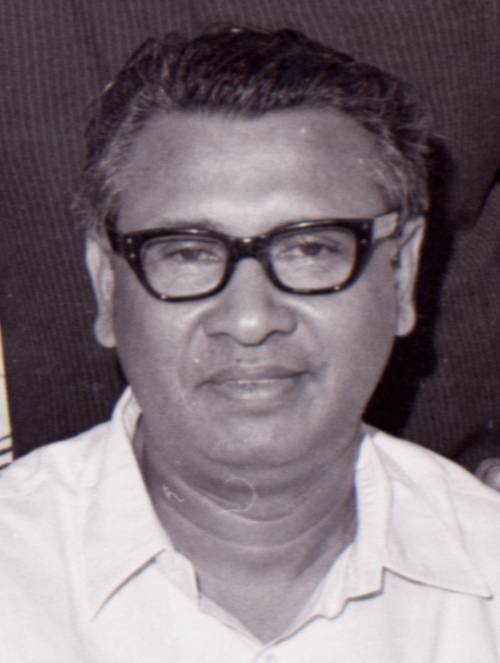
    Former FRETILIN central committee member; according to Amnesty International, put on a helicopter in East Timor on 14 July 1980 and did not return.

  • Adolfo Scilingo

    CONVICTED

    Former Argentine naval officer convicted in Spain in 2005 for crimes against humanity under universal jurisdiction for participating in two death flights.

Roles reflect public records and court outcomes at the time of writing — supporting citations are on file under Sources.

Places

Common questions

What happened to the victim?
"Death flights" refers to a method of extrajudicial killing in which victims were dropped from airplanes or helicopters into oceans, rivers, or mountains, used by multiple governments and military forces during 20th-century internal conflicts, most extensively documented during Argentina's 1976–1983 Dirty War.
Where did the crime happen?
Buenos Aires, Argentina (primary documented site; practice also reported in Chile, Colombia, France/Algeria, Madagascar, East Timor, Papua New Guinea, South Africa, and Zaire).
Who was convicted?
Alejandro Domingo D'Agostino (Pilot convicted in 2017 for the murder of eight women and four men during a 14 December 1977 death flight.), Mario Daniel Arrú (Pilot convicted in 2017 for the murder of eight women and four men during a 14 December 1977 death flight.), and Adolfo Scilingo (Former Argentine naval officer convicted in Spain in 2005 for crimes against humanity under universal jurisdiction for participating in two death flights.).
What is the current status of the case?
Status: solved.

Sources

  1. Death flightswikipedia · Wikipedia · 2026-07-10
  2. Contemporaneous coverage — The Guardiannews · The Guardian · 2026-07-10
  3. Contemporaneous coverage — CNNnews · CNN · 2026-07-10