Casepin
Back to cases

Solved case

1991 Sikh killings in Uttar Pradesh

In July 1991, Uttar Pradesh police detained eleven Sikh men from a bus of 25 pilgrims traveling to Nanded, then killed ten of them in staged "encounters" near the Nepal border, claiming they were militants. Decades later, dozens of police officers were convicted, with sentences reduced on appeal in 2022.

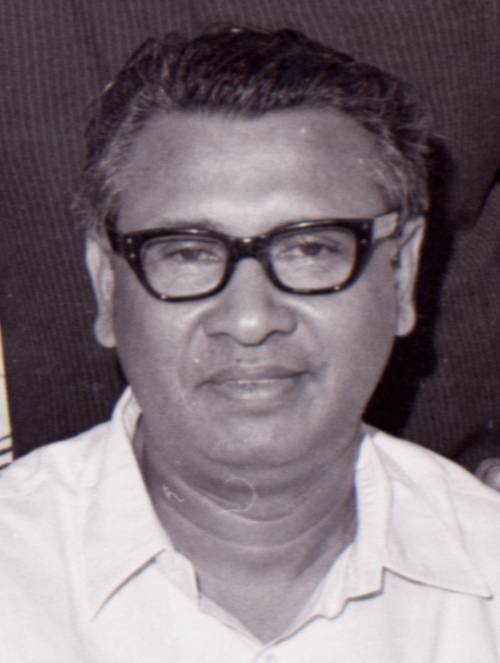
Illustrative

On 12 July 1991, a bus carrying 25 Sikh pilgrims — including 13 men, nine women, and three children — was stopped by police at a checkpoint in Kachla Ghat, Budaun district, Uttar Pradesh. The pilgrims had begun their journey from Nanakmatta Sahib in Nainital district and were traveling toward Hazur Sahib Gurdwara in Nanded, Maharashtra, having visited several Sikh religious sites en route. Police, acting on a tip that militants were aboard, surrounded the vehicle with a large armed contingent and removed the male passengers, tying their hands and confiscating their belongings. Two elderly men were released, but eleven men were detained and taken away as the bus was diverted and escorted under police control, with passengers forbidden from moving or looking around.

On 14 July 1991, it emerged that ten of the eleven detained men had been killed the previous night in three separate "encounters" in the forested area near the Nepal border, an area now designated the Pilibhit Tiger Reserve. Police Superintendent R.D. Tripathi stated the men were terrorists linked to the Khalistan Liberation Force and Khalistan Commando Force. The status of the eleventh detainee, a 15-year-old boy named Talvinder Singh, has never been resolved. Independent investigations by media and political parties later concluded that only two of the ten men killed — Baljit Singh and Jaswant Singh "Fauji" — had documented links to militant organizations; the remaining victims, most from Gurdaspur, Punjab, and two from Amaria, Pilibhit, appeared to have no connection to militant activity. Witnesses, including the bus driver, later testified that police coerced blank statements and intimidated those who signed affidavits before the Supreme Court.

Public outcry led to Superintendent Tripathi's transfer on 23 July 1991. On 21 August 1991, the Supreme Court ordered interim compensation for the families of the ten men killed. The Central Bureau of Investigation subsequently charged 47 police officers in connection with the killings and their cover-up. In April 2016, a special court convicted and sentenced 47 officers to life imprisonment, and courts ordered further compensation to victims' families; by that time, several of the convicted officers had died. The convictions were appealed, and in 2022 the Allahabad High Court overturned the life sentences, instead convicting 43 officers and sentencing them to seven years in prison along with monetary fines scaled to rank.

This case remains one of the most prominent documented instances of extrajudicial killing associated with anti-militancy operations conducted under India's Terrorist and Disruptive Activities Act (TADA) during the Punjab insurgency era.

Key facts

Victims
Talvinder Singh, Harbinder Singh, Jaswant Singh 'Fauji', Sujan Singh, Jaswant Singh, Kartar Singh, Narender Singh, Bichchettar Singh, Tarsem Singh, Baljit Singh, Surmej Singh
Date
1991
Location
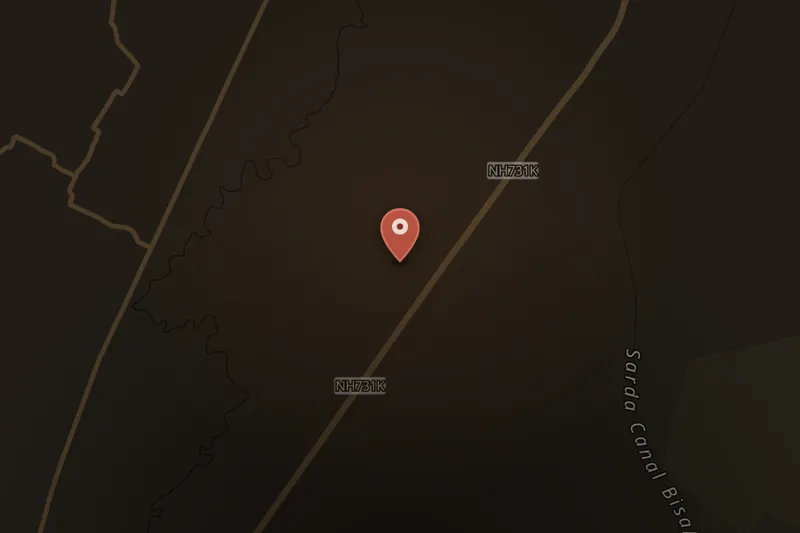
Pilibhit district, Uttar Pradesh, India
Case status
solved

Case timeline

  1. 1991-06-29

    A bus carrying 25 Sikh pilgrims begins its journey from Nanakmatta Sahib, Nainital district, toward Hazur Sahib Gurdwara in Nanded, Maharashtra.

  2. 1991-07-12

    Police stop the pilgrims' bus at a checkpoint in Kachla Ghat, Budaun district, Uttar Pradesh; eleven male passengers are detained after two elderly men are released.

  3. 1991-07-13

    Ten of the eleven detained men are shot dead by police in three separate locations in the forested Pilibhit area near the Nepal border.

  4. 1991-07-14

    News of the killings emerges publicly; police claim the men were militants.

  5. 1991-07-23

    Superintendent of Police R.D. Tripathi is transferred amid public outcry.

  6. 1991-08-21

    The Supreme Court of India orders compensation of Rs.50,000 for each dependent of the ten men killed.

  7. 2016-04

    A special court sentences 47 police officers to life imprisonment for their roles in the killings and cover-up; courts order further compensation of Rs.14 lakh per victim's family.

  8. 2022

    The Allahabad High Court overturns the life sentences and instead convicts 43 officers, sentencing them to seven years in prison with fines.

Best coverage

No coverage has been attached to this file yet.

People

  • Talvinder Singh

    VICTIM

    15-year-old detainee, also known as 'Billu', son of one of the pilgrimage organisers; his status following detention remains unknown.

  • Harbinder Singh

    VICTIM

    Pilgrim from Gurdaspur, Punjab, killed by police on 13 July 1991.

  • Jaswant Singh 'Fauji'

    VICTIM

    Killed by police on 13 July 1991; independently identified as chieftain of the Khalistan Commando Force.

  • Sujan Singh

    VICTIM

    Pilgrim from Gurdaspur, Punjab, killed by police on 13 July 1991.

  • Subhash Chandra

    CONVICTED

    One of 47 police officers charged by the CBI; convicted and sentenced (life imprisonment in 2016, reduced to seven years in 2022).

  • Jaswant Singh

    VICTIM

    Pilgrim from Gurdaspur, Punjab, killed by police on 13 July 1991.

  • Gyan Giri

    CONVICTED

    One of 47 police officers charged by the CBI; convicted and sentenced (life imprisonment in 2016, reduced to seven years in 2022).

  • Kartar Singh

    VICTIM

    Pilgrim from Gurdaspur, Punjab, killed by police on 13 July 1991.

  • Musaraf Hussain

    LAW ENFORCEMENT

    Bus driver who gave sworn testimony describing police intervention and coercion; not a police officer but listed here as a key witness figure in the case record.

  • R.D. Tripathi

    CHARGED

    Police Superintendent who claimed the killed men were terrorists; later transferred amid public outcry and among officers charged by the CBI over the killings.

  • Narender Singh

    VICTIM

    Pilgrim from Amaria, Pilibhit, killed by police on 13 July 1991.

  • Bichchettar Singh

    VICTIM

    Pilgrim from Gurdaspur, Punjab, killed by police on 13 July 1991.

  • Tarsem Singh

    VICTIM

    Pilgrim from Gurdaspur, Punjab, killed by police on 13 July 1991.

  • Baljit Singh

    VICTIM

    Killed by police on 13 July 1991; independently identified as a member of the Khalistan Liberation Army.

  • Surmej Singh

    VICTIM

    Pilgrim from Amaria, Pilibhit, killed by police on 13 July 1991.

Roles reflect public records and court outcomes at the time of writing — supporting citations are on file under Sources.

Places

Common questions

What happened to the victim?
In July 1991, Uttar Pradesh police detained eleven Sikh men from a bus of 25 pilgrims traveling to Nanded, then killed ten of them in staged "encounters" near the Nepal border, claiming they were militants. Decades later, dozens of police officers were convicted, with sentences reduced on appeal in 2022.
Where did the killings happen?
Pilibhit district, Uttar Pradesh, India.
Who was convicted?
Subhash Chandra (One of 47 police officers charged by the CBI; convicted and sentenced (life imprisonment in 2016, reduced to seven years in 2022).) and Gyan Giri (One of 47 police officers charged by the CBI; convicted and sentenced (life imprisonment in 2016, reduced to seven years in 2022).).
What is the current status of the case?
Status: solved.

Sources

  1. PRESSContemporaneous coverage — BBC NewsBBC News · 2026-07-07
  2. ENCYCLOPEDIC1991 Sikh killings in Uttar PradeshWikipedia · 2026-07-07
  3. PRESSContemporaneous coverage — ABC News (Australia)ABC News (Australia) · 2026-07-07

Record history

First published
JUL 07, 2026

When a file you follow changes — a new development, a correction, fresh coverage — the Dispatch is how you hear about it.

The Casepin Dispatch

A calm weekly briefing from the archive — one case worth understanding, meaningful updates to files you follow, and the best new coverage. You’ll also get the one-time note when the apps land. No gore, no rumor, no drip.