Case file
Japanese Embassy Hostage Crisis

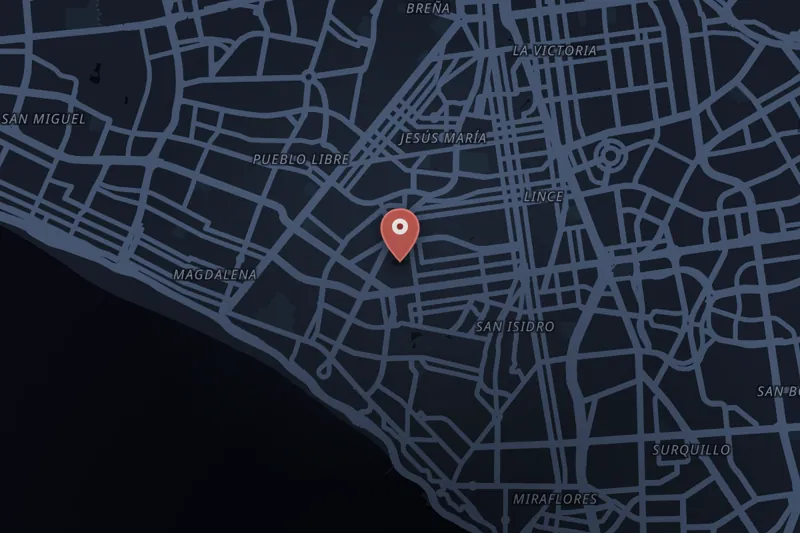
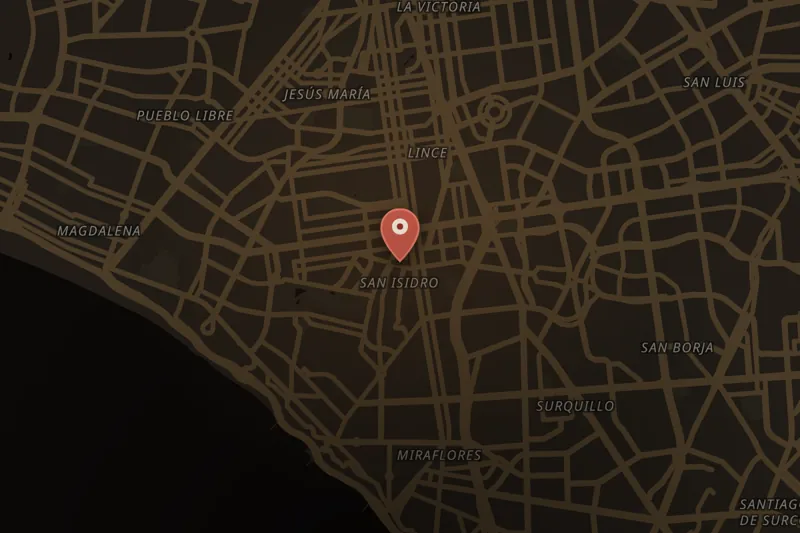
On the night of 17 December 1996, 14 members of the Túpac Amaru Revolutionary Movement (MRTA), led by Néstor Cerpa Cartolini, blasted through a wall and stormed the Japanese ambassador's residence in the San Isidro District of Lima, Peru, during a party marking Emperor Akihito's 63rd birthday. Hundreds of diplomats, government officials, military officers, and business executives were taken hostage, including Japanese ambassador Morihisa Aoki and relatives of Peruvian President Alberto Fujimori. Foreign female hostages were released the first night, and most foreign nationals were freed within five days amid ongoing threats. Over the following months the MRTA gradually released hostages, leaving 72 dignitaries held by the time of the eventual raid.
The MRTA demanded the release of imprisoned members, changes to Peru's economic policies, and criticism of Japan's aid programs and Peruvian prison conditions. Negotiations, mediated in part by the International Committee of the Red Cross and a "guarantors commission" that included Canadian ambassador Anthony Vincent, stalled by mid-January 1997. Peruvian authorities covertly dug tunnels beneath the residence while publicly maintaining negotiations, and reportedly consulted with U.S. military forces on a possible joint raid, according to Peruvian newspaper reporting and contemporaneous New York Times coverage.
On 22 April 1997, after 126 days, 140 Peruvian commandos executed "Operation Chavín de Huántar," detonating explosive charges and storming the residence through tunnels and ladders. All 14 MRTA militants were killed, along with one hostage—Supreme Court member Carlos Giusti Acuña, who had a pre-existing heart condition—and two Peruvian soldiers, Colonel Juan Valer Sandoval and Captain Raúl Jiménez Chávez. The operation was widely celebrated in Peru and internationally, and Fujimori's approval ratings rose sharply.
Subsequent investigations produced evidence that some MRTA members were summarily executed after surrendering. Japanese diplomat Hidetaka Ogura testified he saw militant Eduardo "Tito" Cruz Sánchez alive and restrained after the raid began; Cruz was later found dead of a neck wound. Forensic exhumations found that Cruz had been shot once in the back of the neck while defenseless, and that eight guerrillas overall showed similar wounds consistent with execution after capture or incapacitation. In 2002, arrest warrants were issued for 11 senior army officers, but Peru's Supreme Court ruled the matter fell under military rather than civilian court jurisdiction. In 2007, former intelligence chief Vladimiro Montesinos, former armed forces chief Nicolás de Bari Hermoza Ríos, and retired Colonel Roberto Huamán stood trial for allegedly ordering the killings; all three were acquitted in 2012 for lack of proven chain-of-command responsibility. In 2015, the Inter-American Court of Human Rights ruled that Cruz Sánchez, along with Victor Peceros (25) and Herma Meléndez (17), had been victims of extrajudicial killing and that the Peruvian state had violated international human rights law.

Key facts
- Victims
- Herma Meléndez, Carlos Giusti Acuña, Victor Peceros, Raúl Jiménez Chávez, Juan Valer Sandoval, Eduardo Nicolás Cruz Sánchez
- Date
- 1996
- Location
- Japanese Ambassador's Residence, San Isidro District
- Case status
- solved
Case timeline
1996-12-17
MRTA militants breach a wall and seize the Japanese ambassador's residence in Lima, taking hundreds of hostages during a party for Emperor Akihito's birthday.
1996-12-20
Thirty-eight additional hostages are released.
1996-12-21
President Fujimori declares there will be no talks with the MRTA.
1996-12-22
255 hostages are released; Fujimori gives his first televised address on the crisis, condemning the assault but not ruling out an armed rescue.
1996-12-26
An explosion is heard at the residence; police attribute it to an animal detonating a mine.
1996-12-28
Twenty more hostages are released.
1997-01-17
Negotiations between the government and the MRTA are reported to have stalled.
1997-01-21
Police and MRTA members exchange gunfire.
1997-02-10
Fujimori travels to London seeking a country willing to grant asylum to MRTA members.
1997-02-17
The New York Times reports on a Peruvian government plan involving U.S. military participation in a potential commando raid.
1997-03
The MRTA suspends talks after hearing digging noises; Peruvian newspapers confirm tunnels were being dug beneath the residence.
1997-03-02
MRTA members are refused asylum by Cuba and the Dominican Republic.
1997-04-22
Peruvian special forces conduct Operation Chavín de Huántar, storming the residence; all 14 MRTA militants, one hostage, and two commandos are killed.
2001-01-02
Human rights group APRODEH files a criminal complaint alleging extrajudicial killing of Eduardo Cruz Sánchez and two other MRTA members.
2002-05-13
A Peruvian judge issues arrest warrants for 11 senior army officers linked to the raid.
2002-08-16
Peru's Supreme Court rules the military court system has jurisdiction over the 19 officers under investigation.
2003-02-03
APRODEH files a petition with the Inter-American Commission on Human Rights on behalf of MRTA family members.
2007
Vladimiro Montesinos, Nicolás de Bari Hermoza Ríos, and Roberto Huamán go on trial for allegedly ordering extrajudicial killings of MRTA members.
2012
Montesinos, Hermoza, and Huamán are acquitted after the court found no proven chain of command linking them to the killings.
2015
The Inter-American Court of Human Rights rules that Eduardo Cruz Sánchez, Victor Peceros, and Herma Meléndez were victims of extrajudicial killing and that Peru violated international human rights law.
Best coverage
No approved coverage links are attached yet.
People
Herma Meléndez
VICTIM17-year-old MRTA member named by the Inter-American Court of Human Rights (2015) as a victim deprived of her human rights.
Carlos Giusti Acuña
VICTIMSupreme Court member and hostage who died during the 22 April 1997 rescue raid; had a pre-existing heart condition.
Vladimiro Montesinos
ACQUITTEDFormer head of Peru's National Intelligence Service; stood trial in 2007 for allegedly ordering extrajudicial killings of MRTA members and was acquitted in 2012.
Nicolás de Bari Hermoza Ríos
ACQUITTEDFormer chief of Peru's Joint Command of the Armed Forces; stood trial in 2007 for allegedly ordering extrajudicial killings and was acquitted in 2012.
Victor Peceros
VICTIM25-year-old MRTA member named by the Inter-American Court of Human Rights (2015) as a victim deprived of his human rights.
Raúl Jiménez Chávez
VICTIMPeruvian Army captain killed during Operation Chavín de Huántar.
Roberto Huamán
ACQUITTEDRetired Peruvian Army colonel who stood trial in 2007 for allegedly ordering extrajudicial killings and was acquitted in 2012.
Juan Valer Sandoval
VICTIMPeruvian Army colonel killed during Operation Chavín de Huántar.
Eduardo Nicolás Cruz Sánchez
VICTIMMRTA militant found by the Inter-American Court of Human Rights (2015) to have been the victim of an extrajudicial killing after surrendering during the raid.
Roles reflect public records and court outcomes at the time of writing — supporting citations are on file under Sources.
Archival records

archival location
Calle Thomas Edison 210 (2)
Credit: Mayimbú · CC BY-SA 4.0 · Source
Places
Common questions
- What happened to the victim?
- On 17 December 1996, 14 Túpac Amaru Revolutionary Movement (MRTA) militants seized the Japanese ambassador's residence in Lima, Peru, taking hundreds hostage; the 126-day siege ended on 22 April 1997 with a military raid that killed all 14 militants, one hostage, and two commandos, followed by years of investigations into alleged extrajudicial killings of surrendered rebels.
- Where did the crime happen?
- Japanese Ambassador's Residence, San Isidro District.
- What is the current status of the case?
- Status: solved.
Sources
- ENCYCLOPEDICJapanese embassy hostage crisisWikipedia · 2026-07-07
- PRESSPeru Officials Admit to Plan for Commando Raid on EmbassyThe New York Times · 2026-07-07
- PRESSPeru hostage crisis coverageBBC News · 2026-07-07
Record history
- First published
- JUL 07, 2026