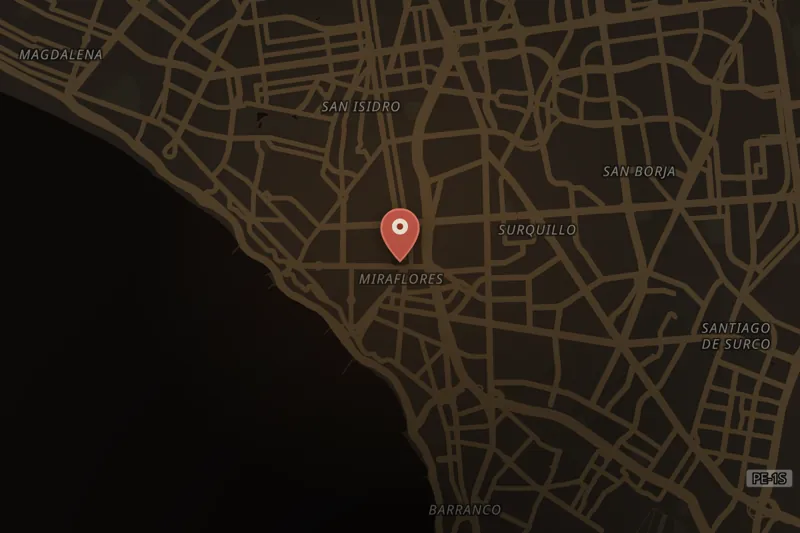
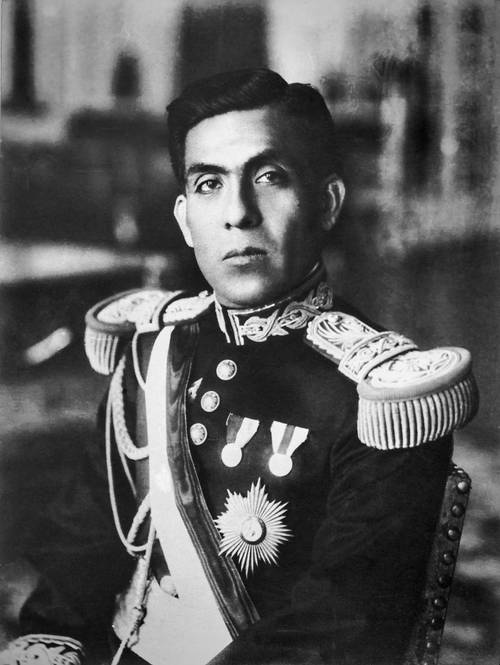
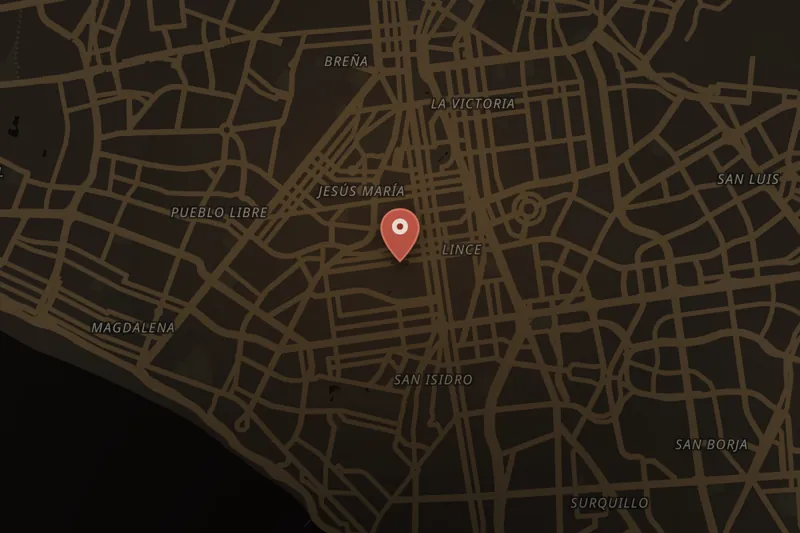
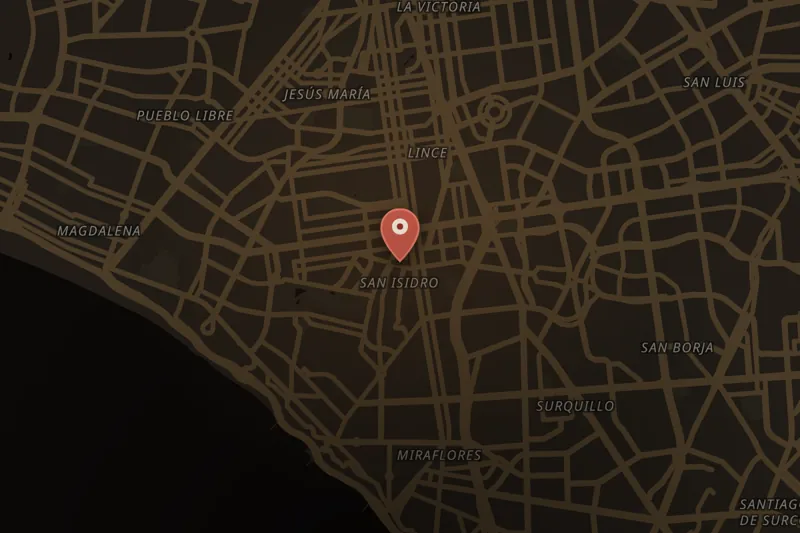
On the morning of April 30, 1933, Peruvian President Luis Miguel Sánchez Cerro reviewed army recruits gathered at the Santa Beatriz Hippodrome in Lima, in the Santa Beatriz neighbourhood, ahead of their deployment to the armed conflict with Colombia. After the ceremony, he left in an open-topped Hispano-Suiza convertible, accompanied by Prime Minister José Matías Manzanilla, Chief of Military Staff Antonio Rodríguez Ramírez, and aide-de-camp Major Eleazar Atencio. As the car moved slowly through the crowd at the president's own request, a man later identified as Abelardo Mendoza Leyva broke through the security cordon, grabbed the hood of the car, and fired several shots into Sánchez Cerro's back. Mendoza was thrown to the ground when the driver accelerated and was then shot and speared to death by the presidential escort and military staff; an autopsy recorded twenty gunshot wounds from thirteen projectiles and four spear wounds. A member of the Republican Guard, identified as Rodríguez Pisco, was also killed in the confused shooting while pursuing Mendoza.
Sánchez Cerro was taken to the Italian Hospital in Lima, where physicians Juan Luis Raffo, Abel Delgado, and Teófilo Rocha treated him. He died roughly two hours later, at 1:10 p.m., from a chest wound that lodged in his heart and caused internal bleeding.
Mendoza, 19 years old at the time and a native of Cerro de Pasco, had joined APRA in 1931 and had been released from a nearly month-long imprisonment for alleged partisan activity just 26 days before the assassination. The Browning pistol he used was recovered by a postal employee, Ángel Millán Ramos, who was later arrested after being reported by a witness. APRA denied organizational responsibility, characterizing the attack as a personal, anarchist act, though later accounts—including one by Armando Villanueva del Campo—acknowledged a plot involving a faction of the party, including a figure named Leopoldo Pita, said to have advised Mendoza.
A court martial, led by Colonel Maximiliano Frías with several military officers presiding, tried nineteen suspects linked to APRA; defendants reported being tortured to extract confessions, and one of them died by suicide in custody according to the official account. The prosecution ultimately withdrew accusations against alleged accomplices and accessories except for Ángel Millán Ramos, and the court-martial ruling named Mendoza as the sole perpetrator, finding insufficient evidence to convict others despite acknowledging a plot had existed.
Various conspiracy theories emerged afterward, including allegations—made by Revolutionary Union leader Luis A. Flores—implicating General Óscar R. Benavides, who assumed the presidency by congressional vote the same day. Medical reports describing two different calibers and trajectories of gunshot wounds fueled further speculation, though no additional perpetrator was legally established. Benavides's government subsequently negotiated an end to the Colombia–Peru conflict and passed an amnesty law affecting APRA leader Víctor Raúl Haya de la Torre and other political prisoners.

 SOLVEDListen