Case file
Sydney Hilton Hotel bombing

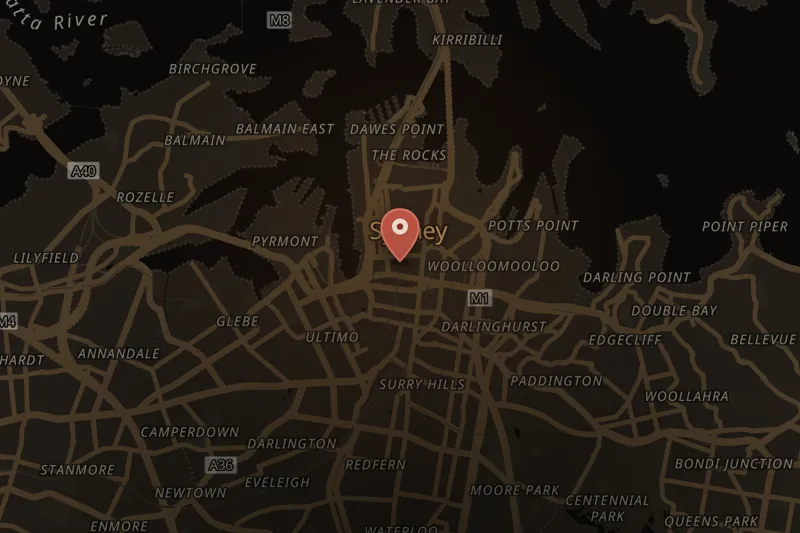
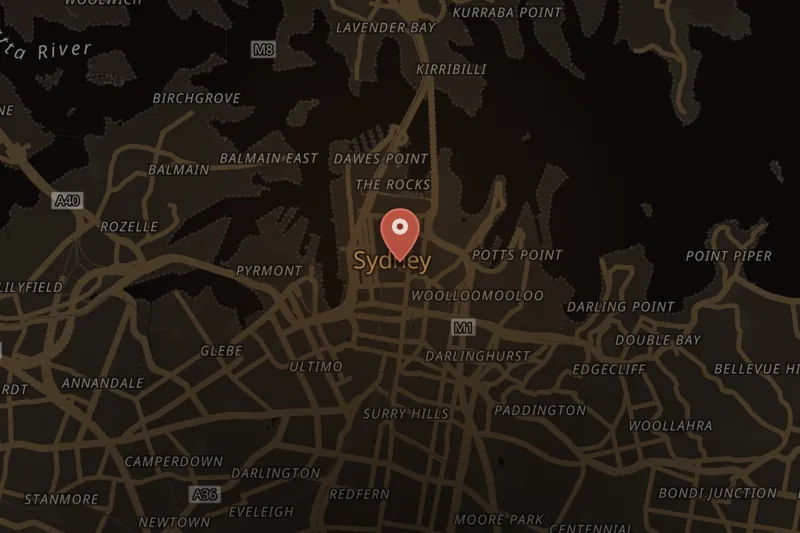
On 13 February 1978, a bomb concealed in a street rubbish bin exploded outside the Hilton Hotel in George Street, Sydney, where the first Commonwealth Heads of Government Regional Meeting (CHOGRM) was being held. The device detonated at 12:40 a.m. as the bin was being emptied into a garbage truck. Garbage collectors Alec Raymond Carter and Arthur William Favell were killed instantly; police officer Paul Burmistriw, who had been guarding the hotel lounge entrance, died later. Eleven other people were injured. Twelve foreign leaders staying at the hotel, including the Indian prime minister, were unharmed. Prime Minister Malcolm Fraser deployed the Australian Army for the remainder of the meeting.
The bombing has remained highly controversial. Witnesses and later inquiries raised questions about whether Australian security agencies, including ASIO, could have had foreknowledge or involvement, citing an unexplained continuous police presence near the bin beforehand, the failure to search or empty the bin despite it overflowing, the withdrawal of army explosive-detection dogs shortly before the event, and the disposal of the garbage truck and bomb fragments at an unrecorded location, which prevented forensic analysis. The NSW Parliament unanimously called for a Commonwealth inquiry in 1991 and 1995, though no such inquiry was held. Separate accounts, including a 2016 book by Rachel Landers and a 2019 book by Imre Salusinszky, argue against a conspiracy, pointing to the number of independent witnesses who would have needed to be complicit and noting the confession of Evan Pederick.
Investigations initially centred on the Ananda Marga organisation after informant Richard Seary infiltrated the group. Seary's evidence led to the arrest and 1979 conviction of Ross Dunn, Paul Alister and Tim Anderson over an alleged separate plot; Anderson was also linked to the Hilton bombing at a 1982 coronial inquest, which found a prima facie case of murder against Dunn and Alister but not Anderson. A 1984–85 judicial inquiry led by Justice Wood, prompted by doubts about Seary's reliability, recommended pardons, and Dunn, Alister and Anderson were released in 1985 and compensated.
In 1989, Anderson was re-arrested, tried and convicted specifically over the Hilton bombing, receiving a fourteen-year sentence. In 1991, the NSW Court of Criminal Appeal, led by Chief Justice Gleeson, quashed the conviction and entered a judgment of acquittal, finding the trial had miscarried because the Crown's principal witness evidence and an unsupported theory presented to the jury were unreliable. Evan Pederick, who had confessed to planting the bomb, was convicted and served eight years; his 1996 appeal was rejected, and he was released in 1997. Gleeson's judgment separately described Pederick's account of events as "clearly unreliable." The prosecutions of Anderson and his co-accused have since been cited in Australian legal literature as examples of miscarriage of justice.
A memorial plaque was restored at the bombing site in George Street and unveiled on the 30th anniversary of the attack on 13 February 2008.

Key facts
- Victims
- Arthur William Favell, Alec Raymond Carter, Paul Burmistriw
- Date
- 1978
- Location
- Hilton Hotel, George Street, Sydney
- Case status
- solved
Case timeline
1977-09-15
Colonel Singh, military attaché at the Indian High Commission in Canberra, and his wife were attacked; later cited as part of alleged prior Ananda Marga violence.
1978-02-13
A bomb hidden in a rubbish bin explodes outside the Sydney Hilton Hotel during the Commonwealth Heads of Government Regional Meeting, killing two garbage collectors and injuring eleven others; a police officer dies later from injuries.
1978-06-15
Informant Richard Seary tells NSW Police Special Branch of an alleged plan by Ananda Marga members to bomb the home of Robert Cameron; Ross Dunn and Paul Alister are apprehended and charged with conspiracy to murder.
1979-02
First trial over the alleged Cameron bombing plot ends without a verdict.
1979-07
Second trial convicts Dunn, Alister and Tim Anderson.
1982
A coronial inquest (the Walsh inquest) into the Hilton bombing finds a prima facie case of murder against Ross Dunn and Paul Alister, but not Tim Anderson; the inquest is terminated prematurely.
1984
NSW Attorney-General Paul Landa establishes a judicial inquiry headed by Justice Wood to review the convictions of Dunn, Alister and Anderson.
1985-02
The Wood inquiry concludes, recommending pardons for Dunn, Alister and Anderson.
1985
Dunn, Alister and Anderson are released and later compensated by the NSW Government.
1989
Tim Anderson is re-arrested, tried and convicted specifically over the Hilton bombing and sentenced to fourteen years.
1991
The NSW Court of Criminal Appeal quashes Anderson's 1989 conviction and enters a judgment of acquittal.
1996
Evan Pederick's appeal against his conviction for the bombing is rejected.
1997
Pederick is released after serving eight years in jail.
2008-02-13
A memorial plaque is unveiled at the bombing site in George Street, Sydney, on the 30th anniversary of the attack.
Best coverage
No approved coverage links are attached yet.
People
Paul Alister
EXONERATEDConvicted in 1979 over an alleged plot to bomb Robert Cameron's home and found by the 1982 coronial inquest to have a prima facie case of murder relating to the Hilton bombing; pardoned in 1985 following a judicial inquiry.
Arthur William Favell
VICTIMGarbage collector killed in the bombing.
Tim Anderson
ACQUITTEDConvicted in 1979 over an alleged separate bombing plot (pardoned 1985); later re-arrested and convicted in 1989 specifically for the Hilton bombing, then acquitted by the NSW Court of Criminal Appeal in 1991.
Ian MacDonald
LAW ENFORCEMENTOfficer-in-charge of police immediately after the bombing, who later claimed there had been a cover-up.
Alec Raymond Carter
VICTIMGarbage collector killed in the bombing.
Evan Pederick
CONVICTEDConfessed to planting the Hilton bombing device; convicted and served eight years, released in 1997 after an unsuccessful 1996 appeal.
Paul Burmistriw
VICTIMPolice officer guarding the hotel lounge entrance who died later from injuries sustained in the bombing.
Ross Dunn
EXONERATEDConvicted in 1979 over an alleged plot to bomb Robert Cameron's home and found by the 1982 coronial inquest to have a prima facie case of murder relating to the Hilton bombing; pardoned in 1985 following a judicial inquiry.
Roles reflect public records and court outcomes at the time of writing — supporting citations are on file under Sources.
Archival records

archival location
(1)Sydney Hilton Hotel
Credit: Sardaka (talk) 07:01, 16 August 2013 (UTC) · CC BY 3.0 · Source
Places
Common questions
- What happened to the victim?
- A bomb hidden in a rubbish bin outside Sydney's Hilton Hotel killed three men during a Commonwealth heads-of-government meeting in February 1978. Decades of trials, an inquest and a judicial inquiry produced contested convictions, acquittals and pardons, and the case remains the subject of unresolved conspiracy allegations.
- Where did the bombing happen?
- Hilton Hotel, George Street, Sydney.
- Who was convicted?
- Evan Pederick (Confessed to planting the Hilton bombing device; convicted and served eight years, released in 1997 after an unsuccessful 1996 appeal.).
- What is the current status of the case?
- Status: solved. Last verified July 2026.
Sources
- ENCYCLOPEDICSydney Hilton Hotel bombingWikipedia · 2026-07-07
- OFFICIAL / AGENCYContemporaneous coverage — parliament.nsw.gov.auparliament.nsw.gov.au · 2026-07-07
- PRESSContemporaneous coverage — AustLIIAustLII · 2026-07-07
Record history
- First published
- JUL 07, 2026
- Last verified against sources
- JUL 07, 2026