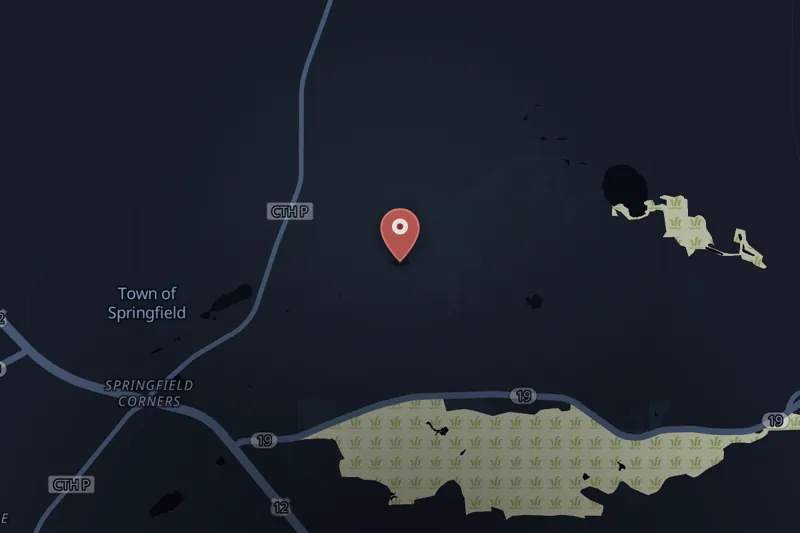
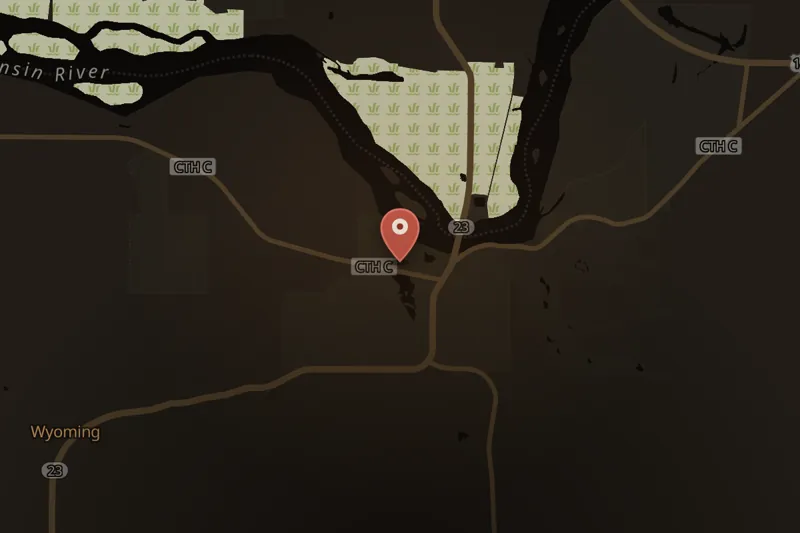
On August 15, 1914, a fatal attack and fire occurred at Taliesin, the house-studio complex built by architect Frank Lloyd Wright near Spring Green, Wisconsin. Wright was away in Chicago working on the Midway Gardens project. At home were his partner, Mamah Borthwick, her two children (11-year-old John and 8-year-old Martha Cheney), draftsman Emil Brodelle, draftsman Herbert Fritz, foreman Thomas Brunker, gardener David Lindblom, and William Weston and his 13-year-old son Ernest.
He had reportedly clashed with draftsman Emil Brodelle, who had racially abused him days earlier. Around noon, Carlton used a hatchet to attack Borthwick and her two children on a porch, then poured gasoline on the bodies and set them alight before setting fire to the living quarters where other staff were located. He then attacked additional occupants, mortally wounding Brodelle. Herbert Fritz escaped through a window, breaking his arm, and William Weston survived and helped extinguish the fire with a garden hose, saving the studio and its contents.
Carlton attempted suicide by swallowing hydrochloric acid in a furnace chamber in the basement but survived, and was found and arrested later that day by Sheriff John Williams. He was taken to the county jail in Dodgeville. Carlton's wife, Gertrude, was found nearby, reportedly unaware of her husband's intentions and dressed for travel; she was released from custody and sent to Chicago.
Of those attacked, Mamah Borthwick, her son John, and Emil Brodelle died that day; Martha Cheney, Thomas Brunker, and Ernest Weston died later that day or during the night; gardener David Lindblom died several days later, on August 18. Carlton was indicted on August 16 for the murder of Brodelle — the only death directly witnessed by a survivor — and pleaded not guilty. He died in his cell on October 7, 1914, of esophagitis resulting from the acid he had ingested, before the case could be tried.
Wright returned to Taliesin the night of the attack and later buried Borthwick on the grounds of nearby Unity Chapel without a marked grave or funeral service, though he funded and attended services for his employees. The event had a lasting effect on Wright, who experienced symptoms described as conversion disorder, insomnia, weight loss, and temporary blindness, and who later rebuilt Taliesin's living quarters as "Taliesin II." Because no criminal trial took place, the sequence of events has been reconstructed primarily from the accounts of two survivors, William Weston and Herbert Fritz, along with physical evidence found at the scene.

 SOLVEDListen