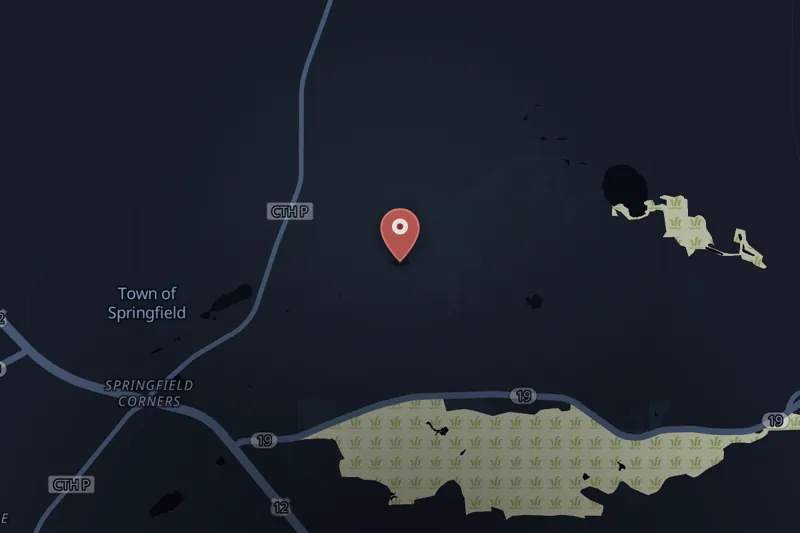
Taliesin is a house-and-studio complex built by architect Frank Lloyd Wright near Spring Green, Wisconsin, beginning in 1911. Wright designed the estate with Mamah Borthwick, with whom he had begun a relationship after both left their marriages. Borthwick lived there amid public scrutiny, as Wright had not yet divorced and Borthwick's former husband retained custody of their two children.
On August 15, 1914, while Wright was away in Chicago, a fire was set at the estate and seven people were killed in an attack on its residents and staff. Julian Carlton, a 31-year-old servant who had been given notice that his employment was ending and who had reportedly been subjected to racial abuse by a member of the estate's staff, was identified as the attacker. Because the case was never tried, the sequence of events was reconstructed from the two survivors and the physical evidence: the attacker used a hatchet against Borthwick and her two children, John (11) and Martha (8), and against several staff, then set fire to the living quarters using gasoline. Those killed were Mamah Borthwick; her children John and Martha; draftsman Emil Brodelle; foreman Thomas Brunker; Ernest Weston, the 13-year-old son of employee William Weston; and gardener David Lindblom, who died several days later. Two draftsmen survived: Herbert Fritz escaped through a window, and William Weston helped extinguish the fire, saving the studio.
Carlton was found to have swallowed acid in an apparent attempt to take his own life and survived. He was arrested the same day and indicted on August 16, 1914, for the murder of Emil Brodelle — the one death directly witnessed by a survivor — and pleaded not guilty. He died in the Dodgeville jail on October 7, 1914, from the effects of the acid, before the case could be heard. Wright buried Borthwick at nearby Unity Chapel and later rebuilt the estate's residential wing, known afterward as Taliesin II.


 SOLVEDListen