On the night of August 17, 1916, Newberry constable George Wynne attempted to serve a warrant on Boisey Long, an African-American man, on suspicion of stealing hogs. Accounts differ as to how the confrontation began and who fired first, but Long shot and killed Wynne and wounded another man, L. G. Harris, who had accompanied the constable. Long fled the scene but surrendered to authorities two days later.
While Long was still at large, a posse organized by the local sheriff shot and killed Jim Dennis, described as a friend of Long; the sheriff stated Dennis had resisted arrest. Relatives and friends of Long were then rounded up and jailed on allegations of helping him escape. Those detained were Bert Dennis, Mary Dennis, Long's wife Stella Young, and two friends of Jim Dennis, Andrew McHenry and Reverend Josh Baskin.
On the morning of August 18, 1916, a mob estimated at 200 people removed the six detainees from jail and hanged them from a single oak tree about one mile from Newberry, at what was then the intersection of Newberry Lane and Alachua County Route 235; the tree no longer stands. Contemporary newspapers referred to the killings as "a lynching bee." News of the lynchings drew a large gathering of African-American residents, which reportedly alarmed white residents with fears of a "race war."
No arrests were ever made in connection with the six lynchings. The Ocala Evening Star reported a rumor that a coroner's jury had returned findings attributing the deaths to freak accidents, such as running into a barbed wire fence and bleeding to death, or falling from a tree and choking or breaking a neck. Rebecca Fitzsimmons, an archivist at the Matheson History Museum, has noted that legal documents relating to the lynchings have not been located.
Separately, Boisey Long was tried on September 7, 1916, convicted by an all-white jury after seven minutes of deliberation, and sentenced to death. He was executed by hanging in the yard of the Alachua County jail on October 27, 1916. A man who had reportedly voiced approval of Wynne's killing was forced to leave town.
Historian Patricia Hilliard-Nunn has suggested that as many as nine people may have been lynched or shot to death in connection with these events. In 2018, the Alachua County Historical Commission presented research concluding that at least 43 lynchings occurred in Alachua County during the 18th and 19th centuries. In 2019, a historical marker was unveiled in remembrance of the six lynching victims.


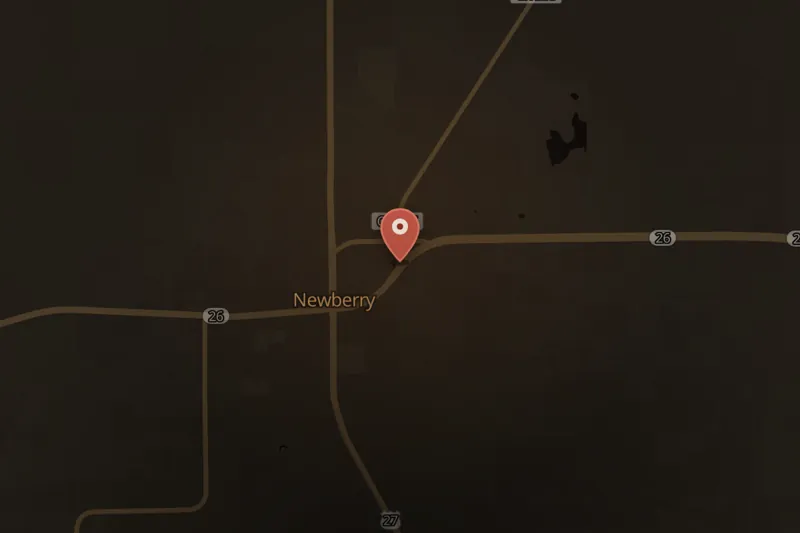
 Image recordPublic domainSourceUNSOLVEDListen