Casepin
Back to cases

Case file

Lynching of Jesse Washington

SOLVED1916Waco, Texas (city hall site of the lynching)3 SOURCESUPDATED JUL 2026
Crowd watches the lynching of Jesse Washington, Waco, Texas
Crowd watches the lynching of Jesse Washington, Waco, Texas — Credit: Miscellaneous Items in High Demand, PPOC, Library of Congress · Public domain

On May 8, 1916, Lucy Fryer, the wife of farmer George Fryer, was found beaten to death at the family's farm in Robinson, Texas, near Waco. A doctor determined she died of blunt-force trauma, and the scene showed signs of sexual assault. Suspicion quickly fell on Jesse Washington, a 17-year-old Black farmhand who had worked for the Fryers for five months. He was found near the house shortly before the body was discovered and was arrested that night wearing blood-stained clothing, which he attributed to a nosebleed. Washington was interrogated in Waco without an attorney or his parents present, then transferred between counties; in Dallas he dictated and signed a confession describing the killing and an alleged rape, which was published in Waco newspapers the next day. A grand jury indicted him on May 11, and his trial was set for May 15. His court-appointed lawyers prepared no defense.

On May 15, 1916, the McLennan County courthouse in Waco filled with spectators for Washington's trial. The proceeding lasted about one hour; Washington's mumbled response to a plea question was treated as a guilty plea, and after four minutes of deliberation the jury returned a guilty verdict and death sentence. As court officers moved to escort Washington away, a crowd seized him, placed a chain around his neck, and dragged him toward city hall while stripping, stabbing, and beating him. At city hall, a mob doused him with oil, mutilated him — including cutting off his fingers, toes, and genitals — and repeatedly raised and lowered him over a bonfire for about two hours until he died. Photographer Fred Gildersleeve documented the event, and his images were later sold as postcards in Waco. An estimated 10,000 to 15,000 people watched, including Mayor John Dollins and Police Chief Guy McNamara; Sheriff Samuel Fleming instructed deputies not to intervene, and no one was arrested or prosecuted for the killing.

National and international newspapers condemned the lynching, while many Waco residents and local papers defended the city or avoided editorializing. The NAACP hired investigator Elisabeth Freeman, who found that white residents generally supported the lynching following Washington's conviction, though many objected to the mutilation. Freeman concluded Washington likely did kill Fryer but that the rape allegation was false. W. E. B. Du Bois used her findings to produce a special "Waco Horror" supplement in The Crisis featuring photographs of Washington's charred remains, part of the NAACP's broader anti-lynching campaign. No one was ever charged in Washington's death.

Later historians have offered differing assessments of Washington's guilt and the fairness of his confession and trial, with some suggesting coercion or evidence tampering, though certainty about the underlying facts of the Fryer killing remains contested among researchers. Waco continued to grapple with the legacy of the lynching for decades; in May 2016, on the centennial of the killing, the city's mayor held a formal ceremony apologizing to Washington's relatives and the African American community, and a historical marker was installed at the site.

Key facts

Victims
Lucy Fryer, Jesse Washington
Date
1916
Location
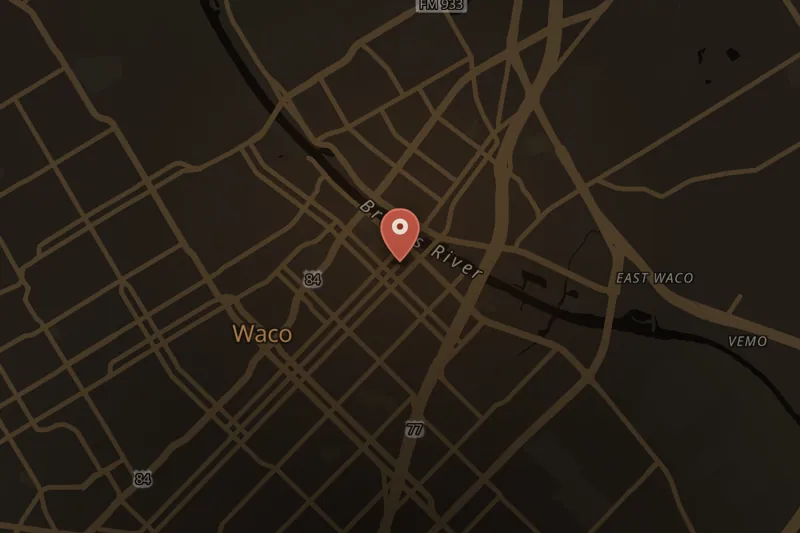
Waco, Texas (city hall site of the lynching)
Case status
solved

Case timeline

  1. 1916-05-08

    Lucy Fryer is found beaten to death at her family's farm in Robinson, Texas, near Waco.

  2. 1916-05-09

    Jesse Washington is questioned in Hill County and reportedly confesses to killing Fryer; he is then taken to Dallas, where he signs a statement describing the killing and an alleged rape.

  3. 1916-05-11

    A McLennan County grand jury indicts Washington; his trial is scheduled for May 15.

  4. 1916-05-15

    Washington is convicted and sentenced to death after a roughly one-hour trial in Waco; he is then seized by a mob, tortured, and burned to death in front of Waco's city hall.

  5. 1916-07

    The NAACP's magazine The Crisis publishes 'The Waco Horror,' an eight-page supplement by W. E. B. Du Bois featuring photographs of Washington's remains, based on Elisabeth Freeman's investigation.

  6. 2016-05-15

    On the centennial of the lynching, Waco's mayor holds a formal ceremony apologizing to Washington's relatives and the African American community; a historical marker is installed.

Best coverage

No approved coverage links are attached yet.

People

  • Lucy Fryer

    VICTIM

    White farm owner in Robinson, Texas, found beaten to death on May 8, 1916; Jesse Washington was convicted of her murder.

  • Jesse Washington

    VICTIM

    17-year-old African American farmhand convicted of murder and lynched by a mob in Waco, Texas, on May 15, 1916; no one was ever charged in his killing.

Roles reflect public records and court outcomes at the time of writing — supporting citations are on file under Sources.

Archival records

  • Crowd watches the lynching of Jesse Washington, Waco, Texas

    archival location

    Crowd watches the lynching of Jesse Washington, Waco, Texas

    Credit: Miscellaneous Items in High Demand, PPOC, Library of Congress · Public domain · Source

  • Jesse Washington Lynching Historic Marker, Waco City Hall-01

    archival location

    Jesse Washington Lynching Historic Marker, Waco City Hall-01

    Credit: Myotus · CC BY 4.0 · Source

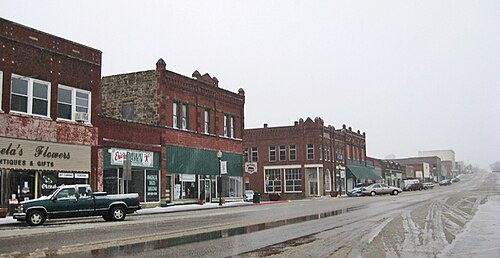
  • Mcclennan courthouse

    archival location

    Mcclennan courthouse

    Credit: Larry D. Moore · CC BY 4.0 · Source

Places

Common questions

What happened to the victim?
In 1916, 17-year-old Jesse Washington, an African American farmhand convicted in a one-hour trial of murdering Lucy Fryer, was seized by a mob of thousands, tortured, and burned to death in front of Waco, Texas's city hall, an event later called the "Waco Horror."
Where did the crime happen?
Waco, Texas (city hall site of the lynching).
What is the current status of the case?
Status: solved. Last verified July 2026.

Sources

  1. ENCYCLOPEDICLynching of Jesse WashingtonWikipedia · 2026-07-07
  2. PRESSContemporaneous coverage — NPRNPR · 2026-07-07
  3. PRESSContemporaneous coverage — The New York TimesThe New York Times · 2026-07-07

Record history

First published
JUL 07, 2026
Last verified against sources
JUL 07, 2026