Active case
Lynching of Laura and L. D. Nelson
Documents violence · sexual violence · crimes against children · ongoing investigation — written to inform, not to shock.

Laura and L. D. Nelson were an African-American mother and son who were lynched on May 25, 1911, near Okemah, Okfuskee County, Oklahoma. They had been held in the county jail after L. D. was accused of shooting and killing Deputy Sheriff George H. Loney during a search of the Nelson family's farm for a stolen cow on May 2, 1911. Laura was also charged with murder, reportedly because she allegedly grabbed the gun first. Her husband, Austin Nelson, pleaded guilty to larceny in connection with the stolen steer and was sent to the state penitentiary in McAlester, which likely saved his life.
Contemporary newspaper accounts, principally The Independent and The Okemah Ledger, gave differing versions of the shooting. Both agreed that a struggle occurred over a Winchester rifle during the posse's search of the Nelson home, during which Loney was fatally shot. Laura and L. D. were arrested and held without bail in the Okemah jail pending trial.
On the night of May 24, 1911, between roughly a dozen and 40 armed men entered the jail through an unlocked door, bound and blindfolded the jailer, cut the telephone line, and took Laura and L. D. from their cells. According to the Associated Press and a 1911 report in The Crisis, Laura was raped. The two were taken to a bridge over the North Canadian River and hanged. Their bodies were discovered the following morning by a boy taking a cow to water, and crowds of spectators gathered at the scene. According to some accounts, including a report in The Crisis and later interviews cited by historians William Bittle and Gilbert Geis, Laura had an infant with her in jail who was found alive near the scene afterward.
Okemah photographer George Henry Farnum photographed the bodies and the crowd of spectators on the bridge; his images were later reproduced as postcards, a common practice associated with lynchings at the time. Four of Farnum's photographs are known to survive. Three were published and exhibited in 2000 by collector James Allen as part of the exhibition "Witness: Photographs of Lynchings from the Collection of James Allen" at the Roth Horowitz Gallery in New York. The photographs of Laura Nelson are described as the only known surviving photographs of a Black female lynching victim.
A district judge, John Caruthers, convened a grand jury in June 1911 to investigate the killings, but no participants in the mob were ever identified or charged. Oswald Garrison Villard of the NAACP wrote to Oklahoma Governor Lee Cruce in protest; Cruce called the lynching an "outrage" in his reply but defended the state's laws and juries as adequate.
One of the men reported to have been involved in the mob was Charley Guthrie, an Okemah real-estate agent and father of folk singer Woody Guthrie, who was born in Okemah 14 months after the lynching. The claim originates from Charley's brother, Claude Guthrie, in a 1977 taped interview with biographer Joe Klein; no documentary evidence corroborates it. Woody Guthrie later wrote several songs referencing the lynching of the Nelsons and lynching in Okemah more broadly.

Key facts
- Victims
- George H. Loney, L. D. Nelson, Laura Nelson
- Date
- 1911
- Location
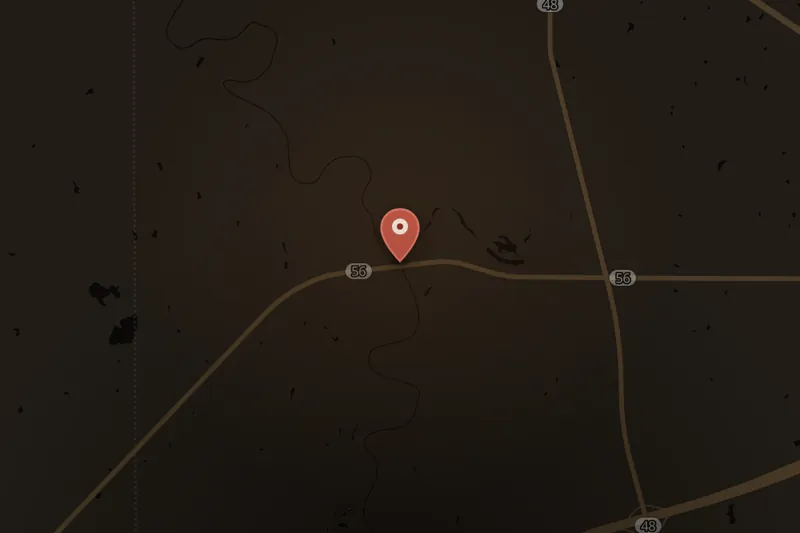
- Bridge over the North Canadian River near Okemah, Okfuskee County, Oklahoma
- Case status
- unsolved
Case timeline
1911-05-02
A posse led by Deputy Sheriff George H. Loney searched the Nelson family farm for a stolen steer; during the search a struggle over a rifle led to Loney being fatally shot.
1911-05-03
Austin Nelson was arrested; Laura and L. D. Nelson were arrested later the same day and taken to the Okfuskee County jail in Okemah.
1911-05-10
Laura and L. D. Nelson were charged with murder and held without bail.
1911-05-12
Austin Nelson was sentenced to three years in the Oklahoma State Penitentiary after pleading guilty to larceny.
1911-05-16
Austin Nelson was transferred to the state prison in McAlester, Oklahoma.
1911-05-24
A group of armed white men entered the Okfuskee County jail at night, overpowered the jailer, and abducted Laura and L. D. Nelson.
1911-05-25
The bodies of Laura and L. D. Nelson were found hanging from a bridge over the North Canadian River near Okemah, Oklahoma; photographer George Henry Farnum photographed the scene.
1911-06
District Judge John Caruthers convened a grand jury to investigate the lynching; no perpetrators were identified.
1911-06-09
Oklahoma Governor Lee Cruce replied to NAACP official Oswald Garrison Villard, calling the lynching an 'outrage' while defending the state's legal system.
2000-01
Photographs of the lynching were exhibited as part of 'Witness: Photographs of Lynchings from the Collection of James Allen' at the Roth Horowitz Gallery in New York.
Best coverage
No approved coverage links are attached yet.
People
George H. Loney
VICTIMOkfuskee County Deputy Sheriff fatally shot on May 2, 1911, during a search of the Nelson family farm for a stolen steer.
citation on file
L. D. Nelson
VICTIMTeenage son of Laura Nelson, lynched alongside his mother on May 25, 1911, after being accused of fatally shooting Deputy Sheriff George H. Loney.
citation on file
Laura Nelson
VICTIMAfrican-American woman lynched on May 25, 1911, near Okemah, Oklahoma, after being charged with murder in connection with the shooting of Deputy Sheriff George H. Loney.
citation on file
Places
Common questions
- What happened to the victim?
- Laura Nelson and her teenage son L. D. Nelson, an African-American mother and son, were seized from the Okfuskee County jail in Okemah, Oklahoma, on the night of May 24, 1911, by a mob of white men and hanged from a bridge over the North Canadian River the following morning. No one was ever identified or charged in connection with the killings.
- Where did the crime happen?
- Bridge over the North Canadian River near Okemah, Okfuskee County, Oklahoma.
- What is the current status of the case?
- Status: unsolved. Last verified July 2026.
Sources
- Lynching of Laura and L. D. Nelsonwikipedia · Wikipedia · 2026-07-07
- Contemporaneous coverage — Los Angeles Timesnews · Los Angeles Times · 2026-07-07
- Contemporaneous coverage — library.brown.edunews · library.brown.edu · 2026-07-07
Last verified JUL 2026