Casepin
Back to cases

Solved case

Seminole burning

In January 1898, a white mob near Maud, Oklahoma Territory, burned two Seminole teenagers, Lincoln McGeisey and Palmer Sampson, alive after accusing them without evidence of the murder of Mary Leard. Federal prosecution later led to six convictions, the first successful lynching prosecution in the Southwestern United States.

SOLVED1898

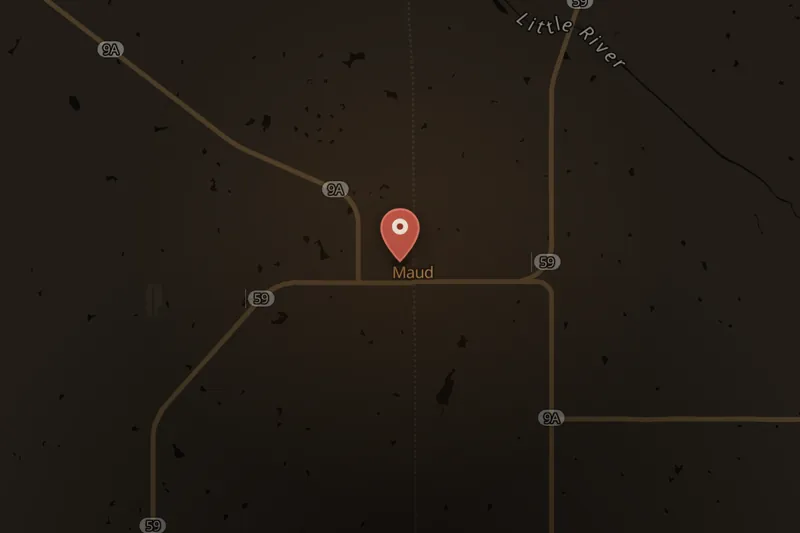
Near Maud, Oklahoma Territory

3 SOURCESUPDATED JUL 2026
Thomas McGeisey drawing
Thomas McGeisey drawing — Credit: Unknown staff member at the New York Herald · Public domain

On December 30, 1897, Mary Leard was murdered in her home near Maud, Oklahoma Territory, by a Native American man with a distinctive cheek scar, who also assaulted her infant daughter Cora, who later died of her injuries. After Leard's body was discovered the next day, a white mob formed and, over several days, detained, tortured, and in some cases mock-lynched multiple Native American men in an effort to find the culprit. Several of those detained, including a man identified as Billy Harjo or Thlocco and a man named John Washington, were never identified by Leard's son as the killer and were eventually released.

The mob ultimately settled on two teenagers, Lincoln McGeisey, 18, and Palmer Sampson, 17, despite the absence of evidence implicating a second perpetrator and despite Leard's husband believing McGeisey was innocent. Sampson allegedly admitted guilt through a translator, though both were likely innocent. On January 8, 1898, in the early morning hours, more than two hundred people gathered as the two were chained by the neck to a tree at a site south of the Maud post office, surrounded with dry brush and wood, and burned alive. Both died; their remains were buried, still chained together, on Seminole land.

Following the killings, false newspaper reports circulated claiming an imminent Seminole uprising in retaliation; federal officials found no evidence to support this. The federal government investigated the lynching as a criminal conspiracy, since no federal murder statute applied. Horace Speed, appointed special prosecutor in April 1898, secured grand jury indictments against dozens of men on kidnapping and arson charges. Before Judge John R. Thomas, six men were ultimately convicted and imprisoned: Deputy U.S. Marshal Nelson M. Jones (21 years), Andrew J. Mathis (10 years), Mont Ballard (10 years), Sam Pryor (3 years, guilty plea), Bird Ivanhoe (3 years, guilty plea), and H. Clay Roper (3 years). This was described as the first successful prosecution of a lynching in the Southwestern United States.

On July 1, 1898, after McGeisey and Sampson were exonerated of Leard's murder, the U.S. Congress appropriated more than $35,000 in compensation to the victims' families and to others who had been wrongfully detained or tortured during the mob's search. Mont Ballard served seven years of his sentence and was welcomed home by a celebration in Maud; he was later killed in 1916 by an acquaintance, W. L. Harding, who was convicted of murder. Andrew Mathis, released from prison in 1906, was later murdered in Arizona in 1927 by his former housekeeper Eva Dugan, who was convicted, sentenced to death, and executed in 1930. Nelson Jones, the last of the six still imprisoned, was paroled from USP Leavenworth in November 1910.

The case has since been examined in historical scholarship, including Daniel F. Littlefield's 1996 book Seminole Burning, described by historian Michael J. Pfeifer as a major case study of the event and its aftermath.

Key facts

Victims
Mary Leard, Lincoln McGeisey, Cora Leard, John Washington, Palmer Sampson
Date
1898
Location
Near Maud, Oklahoma Territory
Case status
solved

Case timeline

  1. 1897-12-30

    Mary Leard is murdered in her home near Maud, Oklahoma Territory; her infant daughter Cora is also injured and later dies of her injuries.

  2. 1897-12-31

    Leard's body is discovered by her husband and Maud townspeople; a white mob begins forming and searching for the killer.

  3. 1898-01-01

    The mob arrests and tortures a 19-year-old man, Billy Harjo/Thlocco, attempting to extract a confession; he is later released.

  4. 1898-01-07

    Plans to lynch Lincoln McGeisey and Palmer Sampson are finalized, with 64 accomplices reportedly present.

  5. 1898-01-08

    McGeisey and Sampson are chained to a tree and burned alive by a mob of more than two hundred people near Maud.

  6. 1898-01-15

    The Weekly Oklahoma State Capital publishes a false special bulletin claiming an imminent Seminole uprising in retaliation for the lynching.

  7. 1898-04

    Horace Speed is appointed special prosecutor and secures grand jury indictments against dozens of men involved in the mob.

  8. 1898-07-01

    U.S. Congress appropriates over $35,000 in compensation following the exoneration of McGeisey and Sampson.

  9. 1906-08

    Andrew J. Mathis is released from prison.

  10. 1910-11

    Nelson M. Jones is released on parole from USP Leavenworth, the last of the six convicted men still imprisoned.

  11. 1916-06-24

    Mont Ballard, 53, is murdered by W. L. Harding in a personal dispute; Harding is convicted of murder and sentenced to life in prison.

  12. 1927-01-14

    Andrew Mathis, 60, is murdered in Arizona by his former housekeeper Eva Dugan.

  13. 1930-02-21

    Eva Dugan is executed by hanging after conviction for Mathis's murder.

Best coverage

No coverage has been attached to this file yet.

People

  • Bird Ivanhoe

    CONVICTED

    Pleaded guilty to involvement in the lynching; sentenced to 3 years.

  • Nelson M. Jones

    CONVICTED

    Deputy U.S. Marshal convicted for his role in the lynching; sentenced to 21 years, seen as one of the most culpable mob members; paroled in November 1910.

  • Andrew J. Mathis

    CONVICTED

    Convicted for his role in the lynching, found to have set fire to the brush around the victims; sentenced to 10 years; released in August 1906; later murdered in 1927.

  • Mont Ballard

    CONVICTED

    Convicted for his role in the lynching; sentenced to 10 years, served 7; later murdered in 1916 by W. L. Harding.

  • Mary Leard

    VICTIM

    Murdered in her home on December 30, 1897, by an unidentified Native American man; her killing prompted the mob violence that led to the lynching of McGeisey and Sampson.

  • H. Clay Roper

    CONVICTED

    Convicted for involvement in the lynching; sentenced to 3 years.

  • Lincoln McGeisey

    VICTIM

    18-year-old Seminole youth burned alive by a mob on January 8, 1898, after being accused, without evidence, of Mary Leard's murder; later exonerated.

  • Sam Pryor

    CONVICTED

    Pleaded guilty to involvement in the lynching; sentenced to 3 years.

  • W.L. Harding

    CONVICTED

    Shot and killed Mont Ballard on June 24, 1916, in a personal dispute; convicted of murder and sentenced to life in prison.

  • Horace Speed

    LAW ENFORCEMENT

    Special prosecutor appointed in April 1898 who led the prosecution of mob members before Judge John R. Thomas.

  • Cora Leard

    VICTIM

    Infant daughter of Mary Leard, injured during the attack on her mother and died of her injuries months later.

  • John Washington

    VICTIM

    Kidnapped at gunpoint and mock-lynched (hanged until unconscious) by the mob during the search for suspects; later released and compensated for injuries and property loss.

  • Eva Dugan

    CONVICTED

    Murdered Andrew Mathis, her former employer, in Arizona in 1927; convicted of first degree murder, sentenced to death, and executed in 1930.

  • Palmer Sampson

    VICTIM

    17-year-old Seminole youth burned alive by a mob on January 8, 1898, after being accused, without evidence, of Mary Leard's murder; later exonerated.

Roles reflect public records and court outcomes at the time of writing — supporting citations are on file under Sources.

Archival records

  • Thomas McGeisey drawing

    newspaper

    Thomas McGeisey drawing

    Credit: Unknown staff member at the New York Herald · Public domain · Source

Places

Common questions

What happened to the victim?
In January 1898, a white mob near Maud, Oklahoma Territory, burned two Seminole teenagers, Lincoln McGeisey and Palmer Sampson, alive after accusing them without evidence of the murder of Mary Leard. Federal prosecution later led to six convictions, the first successful lynching prosecution in the Southwestern United States.
Where did the crime happen?
Near Maud, Oklahoma Territory.
Who was convicted?
Bird Ivanhoe (Pleaded guilty to involvement in the lynching; sentenced to 3 years.), Nelson M. Jones (Deputy U.S. Marshal convicted for his role in the lynching; sentenced to 21 years, seen as one of the most culpable mob members; paroled in November 1910.), Andrew J. Mathis (Convicted for his role in the lynching, found to have set fire to the brush around the victims; sentenced to 10 years; released in August 1906; later murdered in 1927.), Mont Ballard (Convicted for his role in the lynching; sentenced to 10 years, served 7; later murdered in 1916 by W. L. Harding.), H. Clay Roper (Convicted for involvement in the lynching; sentenced to 3 years.), Sam Pryor (Pleaded guilty to involvement in the lynching; sentenced to 3 years.), W.L. Harding (Shot and killed Mont Ballard on June 24, 1916, in a personal dispute; convicted of murder and sentenced to life in prison.), and Eva Dugan (Murdered Andrew Mathis, her former employer, in Arizona in 1927; convicted of first degree murder, sentenced to death, and executed in 1930.).
What is the current status of the case?
Status: solved. Last verified July 2026.

Sources

  1. ENCYCLOPEDICSeminole burningWikipedia · 2026-07-07
  2. PRESSContemporaneous coverage — api.semanticscholar.orgapi.semanticscholar.org · 2026-07-07
  3. PRESSContemporaneous coverage — seminolenation-indianterritory.orgseminolenation-indianterritory.org · 2026-07-07

Record history

First published
JUL 07, 2026
Last verified against sources
JUL 07, 2026

When a file you follow changes — a new development, a correction, fresh coverage — the Dispatch is how you hear about it.

The Casepin Dispatch

A calm weekly briefing from the archive — one case worth understanding, meaningful updates to files you follow, and the best new coverage. You’ll also get the one-time note when the apps land. No gore, no rumor, no drip.