Active case
1891 New Orleans Lynchings

On the evening of October 15, 1890, New Orleans police chief David Hennessy was shot by several gunmen as he walked home; he died the next day. Amid rising anti-Italian sentiment and a business-driven influx of Italian immigrant labor into Louisiana, local newspapers and Mayor Joseph A. Shakspeare quickly blamed Italians for the killing. Shakspeare reportedly ordered police to "arrest every Italian you come across," and within 24 hours 45 people had been arrested, with some accounts putting the total as high as 250 over subsequent days. A Committee of Fifty was formed to investigate alleged "secret societies" among Italian immigrants, and pretrial press coverage was intensely negative, running headlines describing a "Vast Mafia in New Orleans."
Nineteen men were ultimately charged in connection with Hennessy's murder or as accessories. A trial for nine of them began February 16, 1891, and concluded March 13, 1891, before Judge Joshua G. Baker. The evidence was described by federal district attorney William Grant as "exceedingly unsatisfactory," and eyewitness identifications relied on clothing rather than faces. The jury acquitted six defendants outright and could not reach a verdict on three others, resulting in a mistrial for them. Despite the acquittals, prosecutors kept all nineteen men in custody pending additional charges, a decision that left them in the prison when the mob arrived.
The morning after the verdicts, a self-styled Committee on Safety called a mass meeting at the Henry Clay statue near the prison. Attorney William S. Parkerson urged the crowd to "set aside the verdict of that infamous jury," and thousands marched on Parish Prison chanting for the men inside. A smaller, organized "execution squad" within the crowd broke into the prison. Warden Lemuel Davis released the men from their cells so they could try to hide, but eleven were killed — two hanged and shot outside (Emmanuele Polizzi and Antonio Bagnetto) and nine others shot or clubbed to death inside the prison. Eight men escaped by hiding.
A grand jury convened March 17, 1891, and in a May 5, 1891 report claimed it could not identify any participants in the lynching despite describing it as a gathering of thousands of "the first, best" citizens of the city. No one was indicted for the killings; only Thomas Duffy, who had separately shot a suspect inside the prison in October 1890, was penalized, for assault.
The lynching caused a diplomatic rupture between the United States and Italy, including recalled ambassadors and rumors of war. The Italian consul Pasquale Corte left New Orleans in protest. President Benjamin Harrison eventually agreed to pay $25,000 in reparations to victims' families, apportioned at $2,211.90 each. The event contributed to the entry of the word "Mafia" into common American usage and to a rise in restrictive immigration sentiment targeting Southern Italians.

Key facts
- Victims
- Rocco Geraci, Antonio Scaffidi, Charles Traina, Loreto Comitis, David Hennessy, James Caruso, Antonio Bagnetto, Pietro Monasterio, Emmanuele Polizzi, Joseph Macheca, Antonio Marchesi, Frank Romero
- Date
- 1891
- Location
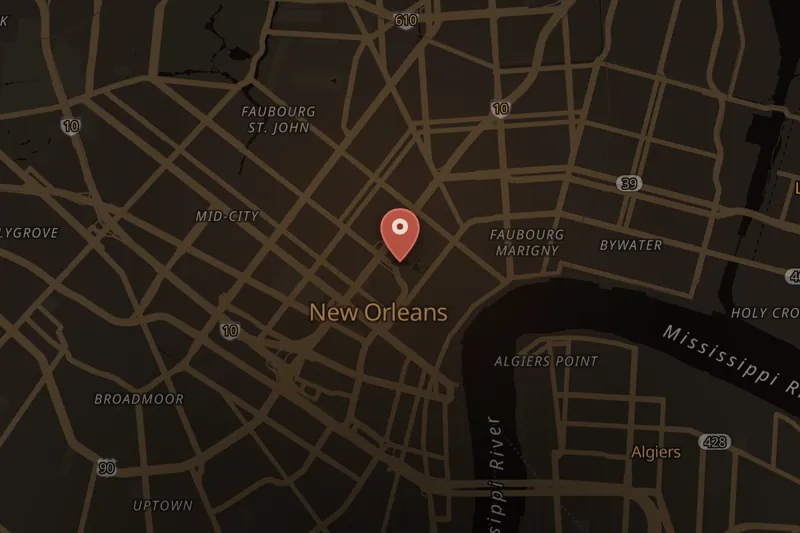
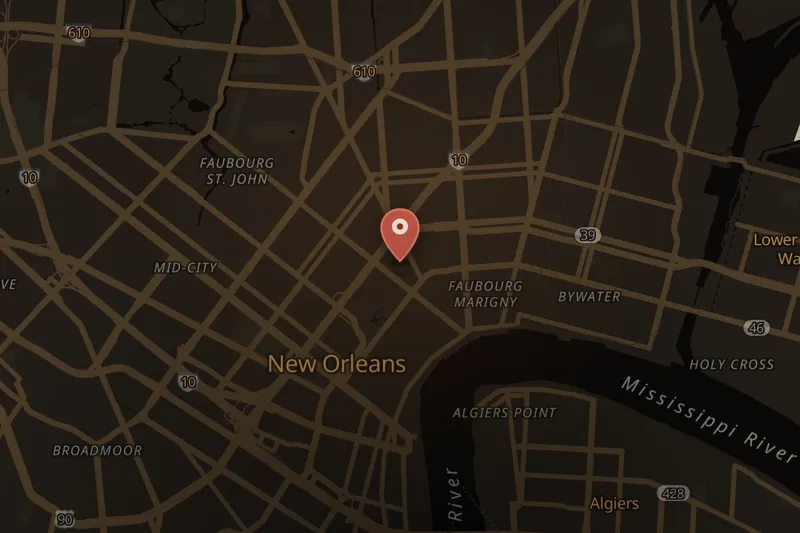
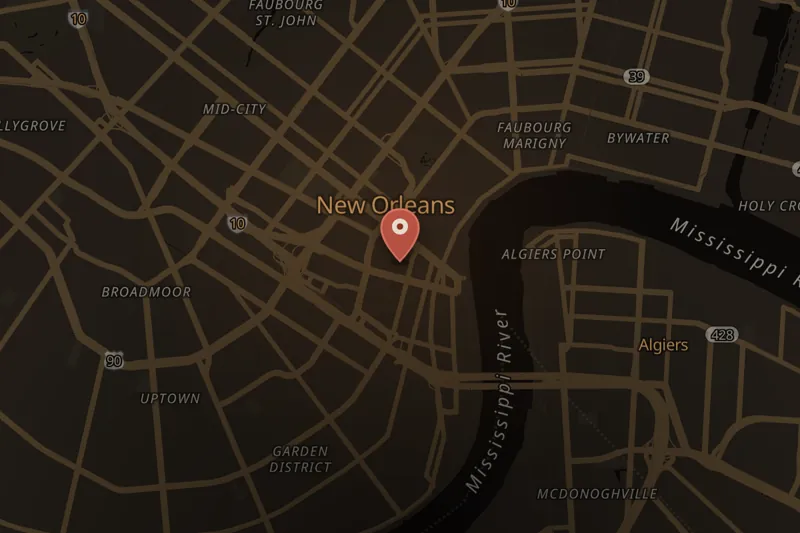
- Parish Prison, New Orleans, Louisiana
- Case status
- unsolved
Case timeline
1890-10-15
New Orleans police chief David Hennessy is shot while walking home; he dies the following day.
1890-10-17
Newspaper salesman Thomas Duffy shoots suspect Antonio Scaffidi inside Parish Prison.
1890-10-23
The Committee of Fifty publishes an open letter to the Italian community urging cooperation with the investigation.
1891-02-16
Trial begins for nine of the nineteen men charged in Hennessy's murder.
1891-03-13
Trial concludes; six defendants acquitted, mistrial declared for three others.
1891-03-14
A mob breaks into Parish Prison and kills eleven Italian American prisoners.
1891-03-15
The New York Times reports the lynching under the headline "Chief Hennessy Avenged."
1891-03-17
A grand jury convenes to investigate the lynching.
1891-05-05
Grand jury issues report claiming it cannot identify any lynching participants; no indictments follow.
1891-05
Italian consul Pasquale Corte leaves New Orleans at his government's direction amid protest over the lynchings.
1892
President Benjamin Harrison declares the first nationwide celebration of Columbus Day, partly to ease tensions with Italy.
1893
Gaspare Marchesi, who survived by hiding in the prison, is awarded $5,000 in damages after suing the city of New Orleans.
Best coverage
No approved coverage links are attached yet.
People
Gaspare Marchesi
ACQUITTED14-year-old son of victim Antonio Marchesi; tried and acquitted; survived by hiding in the prison; later awarded damages from the city in 1893.
Bastian Incardona
ACQUITTEDLaborer found not guilty by directed verdict; survived the lynching by hiding in the prison.
Charles Matranga
ACQUITTEDLabor manager charged with plotting Hennessy's murder; found not guilty by directed verdict; survived by hiding during the lynching.
Rocco Geraci
VICTIMStevedore; not tried; killed in the March 14, 1891 lynching.
Antonio Scaffidi
VICTIMFruit peddler; mistrial declared; earlier shot by Thomas Duffy in October 1890; killed in the March 14, 1891 lynching.
Charles Traina
VICTIMRice plantation laborer; not tried; killed in the March 14, 1891 lynching.
Loreto Comitis
VICTIMTinsmith; not tried; killed in the March 14, 1891 lynching.
David Hennessy
VICTIMNew Orleans police chief, shot on October 15, 1890, and died the following day; his killing preceded the lynchings.
William S. Parkerson
LAW ENFORCEMENTAttorney who addressed the crowd at the Henry Clay statue and, according to the Wikipedia article, led the mob's 'execution squad' inside the prison; not shown as charged in the source.
James Caruso
VICTIMStevedore; not tried; killed in the March 14, 1891 lynching.
Antonio Bagnetto
VICTIMFruit peddler; tried and acquitted of Hennessy's murder, then lynched (hanged and shot) on March 14, 1891.
Pietro Monasterio
VICTIMCobbler; mistrial declared, then killed in the March 14, 1891 lynching.
Emmanuele Polizzi
VICTIMStreet vendor; mistrial declared; hanged from a lamppost and shot in the March 14, 1891 lynching.
Joseph Macheca
VICTIMAmerican-born fruit importer and political boss; tried and acquitted, then killed in the March 14, 1891 lynching.
Antonio Marchesi
VICTIMFruit peddler; tried and acquitted, then killed in the March 14, 1891 lynching.
Frank Romero
VICTIMWard heeler for the Regular Democratic Organization; not tried; killed in the March 14, 1891 lynching.
Thomas Duffy
CONVICTED29-year-old newspaper salesman convicted of assault and sentenced to six months for shooting suspect Antonio Scaffidi inside the prison in October 1890.
Roles reflect public records and court outcomes at the time of writing — supporting citations are on file under Sources.
Archival records

archival location
1891 New Orleans Italian lynching
Credit: E. Benjamin Andrews · Public domain · Source

archival location
Gathering at Parish Prison New Orleans 14 March 1891
Credit: Photographer not credited · Public domain · Source

newspaper
HennessySceneOfTheAssassination
Credit: Not credited · Public domain · Source

archival location
Speaker inciting the mob in New Orleans on March 14, 1891
Credit: Unknown authorUnknown author · Public domain · Source

newspaper
Cartoon that appeared in Puck on March 25, 1891
Credit: Louis Dalrymple · Public domain · Source

newspaper
Harper's weekly v.34 1890 p 872 March 14, 1891 lynchings
Credit: Harper's Weekly · Public domain · Source

newspaper
Tom Duffy
Credit: Thomas Nast · Public domain · Source

newspaper
Illustrated American 1
Credit: Unknown artist in Illustrated American, April 4, 1891 · Public domain · Source
unclassified
Hennessy
Credit: Public domain · Source

unclassified
Victims March 14, 1891 lynchings (cropped)
Credit: Harper's Weekly · Public domain · Source
Places
Common questions
- What happened to the victim?
- On March 14, 1891, a mob in New Orleans broke into Parish Prison and killed eleven Italian American men held in connection with the October 1890 killing of police chief David Hennessy, a day after several of the defendants were acquitted at trial. It remains the largest single mass lynching in American history.
- Where did the crime happen?
- Parish Prison, New Orleans, Louisiana.
- Who was convicted?
- Thomas Duffy (29-year-old newspaper salesman convicted of assault and sentenced to six months for shooting suspect Antonio Scaffidi inside the prison in October 1890.).
- What is the current status of the case?
- Status: unsolved. Last verified July 2026.
Sources
- ENCYCLOPEDIC1891 New Orleans lynchingsWikipedia · 2026-07-07
- PRESSContemporaneous coverage — The New York TimesThe New York Times · 2026-07-07
- OFFICIAL / AGENCYContemporaneous coverage — loc.govloc.gov · 2026-07-07
Record history
- First published
- JUL 07, 2026
- Last verified against sources
- JUL 07, 2026