
Start here
The Mad Axeman of New Orleans | UNSOLVED

Brooke Makenna's 27-minute breakdown, the fullest single telling on file.
Watch on YouTubeUnsolved case · 1910s
Also known as New Orleans Axeman · the Axeman
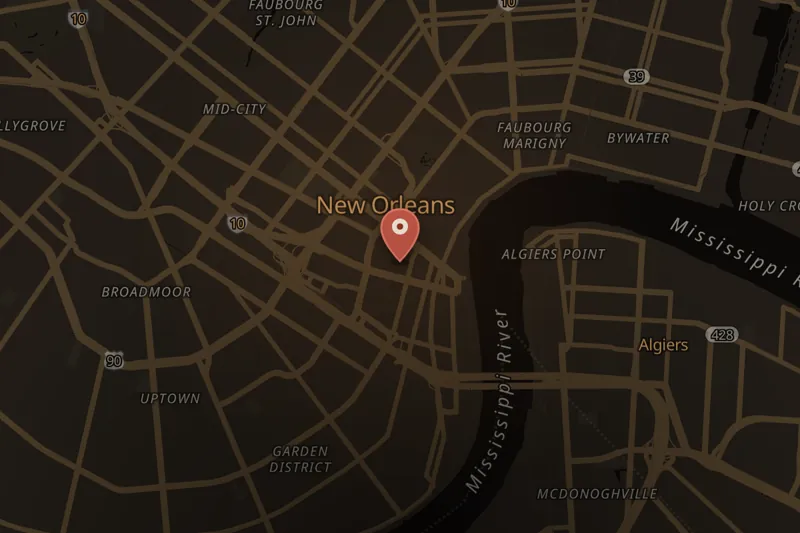
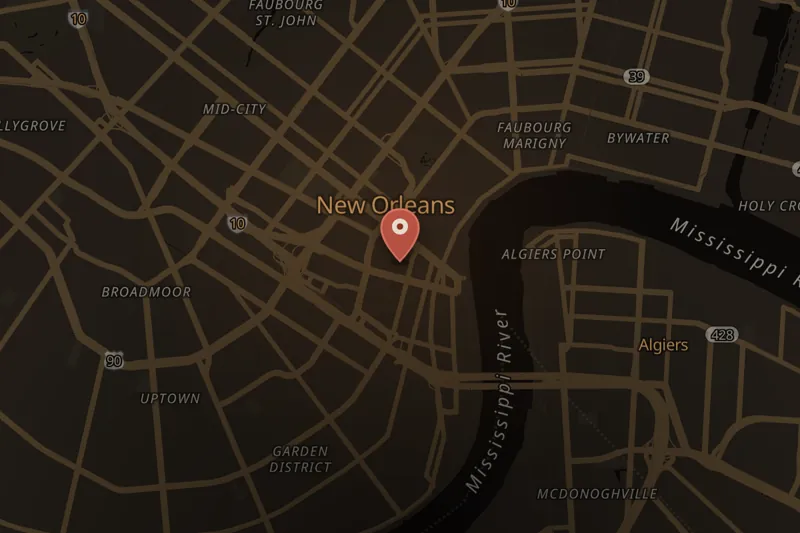
 Axeman Map New Orleans March 1919Credit: Not creditedPublic domainSource
The short answer
An unidentified attacker killed and injured multiple people—mostly Italian immigrants and Italian-Americans—in and around New Orleans between May 1918 and October 1919, typically breaking in through a chiseled back-door panel and attacking victims with an axe or razor. The case remains unsolved.
The Mad Axeman of New Orleans | UNSOLVEDBrooke Makenna · 27 min1 piece from 1 creator: ranked, with duplicates removed and short clips set aside.
Start here
Brooke Makenna's 27-minute breakdown, the fullest single telling on file.
Watch on YouTubeTitles and descriptions are the creators’ own and may not reflect current legal status. The sourced facts are in the file below. Players load only when you press play. Suggest coverage we’re missing.
Between May 1918 and October 1919, a series of violent attacks occurred in and around New Orleans, Louisiana, attributed to an unidentified assailant known as the Axeman. In most incidents, the intruder removed a panel from a home's back door using a chisel, then attacked one or more occupants with an axe—often one belonging to the victims themselves—or a straight razor. Robbery was consistently ruled out as a motive, since valuables in plain sight were left untouched. The majority of victims were Italian immigrants or Italian-Americans, which led to widespread speculation, including unsubstantiated suggestions of Mafia involvement.
The first widely attributed attack occurred on May 23, 1918, when grocer Joseph Maggio and his wife Catherine were attacked while sleeping; Catherine died from a severe throat wound, and Joseph died shortly after being found. A chalked message referencing an earlier 1912 attack on Anthony and Joanna Schiambra was left near the scene. Subsequent attacks included Louis Besumer and Harriet Lowe in June 1918 (both survived initially, though Lowe later died after implicating Besumer, who was tried and acquitted in May 1919); Anna Schneider in August 1918; Joseph Romano, who died two days after being attacked in August 1918; and the Cortimiglia family in Gretna in March 1919, in which infant Mary Cortimiglia was killed and her parents seriously injured.
In the Cortimiglia case, Rosie Cortimiglia accused neighbors Iorlando Jordano and his son Frank of the attack; both were convicted, with Frank sentenced to death and Iorlando to life imprisonment, despite Charles Cortimiglia's denial of his wife's account. Nearly a year later, Rosie recanted, admitting the accusation was false, and the Jordanos were released.
A letter purportedly from the Axeman was published in newspapers on March 13, 1919, threatening to kill again on March 19 unless jazz music was being played in a household at the specified time. No murders were reported that night, amid citywide jazz performances. Later attacks attributed to the Axeman included Steve Boca in August 1919, Sarah Laumann in September 1919, and Mike Pepitone in October 1919, the last of the attacks associated with the case.
The Axeman was never identified or apprehended, and the case remains officially unsolved. According to researcher Richard Warner, one suspect proposed after the fact was Frank "Doc" Mumphrey, who reportedly used the alias Leon Joseph Monfre/Manfre; this identification has not resulted in any charge and remains a proposed theory rather than an established conclusion.
Press reports later associated similar unsolved killings with the Axeman narrative, though researchers have questioned the connection.
Joseph and Catherine Maggio attacked in their apartment; Catherine died from a throat wound, Joseph died shortly after being found.
Louis Besumer and Harriet Lowe attacked at Besumer's grocery; both critically injured.
Anna Schneider, eight months pregnant, attacked in her home.
Joseph Romano attacked in his home; he died two days later.
Cortimiglia family attacked in Gretna, Louisiana; infant Mary Cortimiglia killed, parents injured.
A letter purportedly from the Axeman published in newspapers, threatening further killing unless jazz was played.
Louis Besumer acquitted of murder charges after a ten-minute jury deliberation.
Grocer Steve Boca attacked while sleeping.
Sarah Laumann attacked in her apartment.
Mike Pepitone attacked and killed; last attack attributed to the Axeman.
Rosie Cortimiglia recanted her accusation against the Jordanos, leading to their release.
Victims first. Every legal label is set from public records and court outcomes, not from the prose.
Attacked while eight months pregnant on August 5, 1918; survived[3]
Killed alongside her husband Joseph Maggio on May 23, 1918[3]
Injured in the March 10, 1919 attack on his family in Gretna, Louisiana[3]
Attacked June 27, 1918; later died after implicating Besumer as her assailant[3]
Italian grocer; attacked and killed May 23, 1918[3]
Attacked August 10, 1918; died two days later from head trauma[3]
Infant killed in the March 10, 1919 attack on the Cortimiglia family[3]
Attacked and killed on October 27, 1919; final attack attributed to the Axeman[3]
Injured in the March 10, 1919 attack; later recanted accusation against the Jordanos[3]
Attacked in her apartment on September 3, 1919; survived[3]
Grocer attacked while sleeping on August 10, 1919; survived[3]
Charged with the murder of Harriet Lowe; acquitted May 1, 1919 after a ten-minute jury deliberation[3]
Convicted and sentenced to hang for the Cortimiglia attack; released after Rosie Cortimiglia recanted her accusation[3]
Convicted and sentenced to life in prison for the Cortimiglia attack; released after Rosie Cortimiglia recanted her accusation[3]
Coverage is not a source: every fact in this file rests on the records below.
Are you family of someone named in this file? Corrections and removal requests from victims’ families are prioritized.
 UNSOLVEDListen
Mechanics Institute, New Orleans, Louisiana · 1860s
On July 30, 1866, a mob of white rioters, many former Confederate soldiers, attacked a peaceful demonstration of mostly Black freedmen near the Mechanics Institute in New Orleans, killing dozens and wounding well over a hundred, in a massacre that helped reshape national Reconstruction policy.
 Credit: Photographer not creditedPublic domainSourceUNSOLVEDListen
Parish Prison, New Orleans, Louisiana · 1890s
On March 14, 1891, a mob in New Orleans broke into Parish Prison and killed eleven Italian American men held in connection with the October 1890 killing of police chief David Hennessy, a day after several of the defendants were acquitted at trial. It remains the largest single mass lynching in American history.
 SOLVEDListen
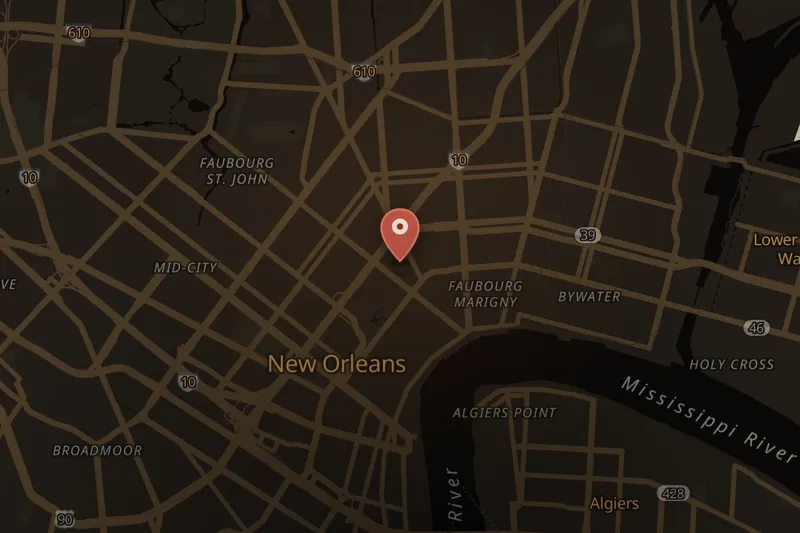
John McDonogh High School, Mid-City, New Orleans, Louisiana · 2000s
On April 14, 2003, two gunmen entered John McDonogh High School in New Orleans and fatally shot 15-year-old student Jonathan "Caveman" Williams during a gym class, wounding three others, in what investigators described as gang-related retaliation.
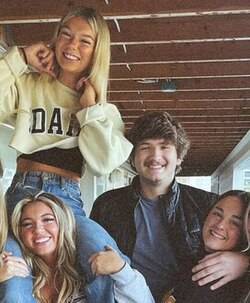 Credit: Family/Instagram photograph, widely distributed in press coverageEditorial useSourceSOLVEDListen
Moscow, Idaho · 2022
Four University of Idaho students—Madison Mogen, Kaylee Goncalves, Ethan Chapin, and Xana Kernodle—were fatally stabbed inside an off-campus house in Moscow, Idaho, in the early morning hours of November 13, 2022. Bryan Kohberger, a criminology PhD student at nearby Washington State University, was arrested that December and pleaded guilty in 2025, receiving four consecutive life sentences.
 Credit: Mona EshaikerCC BY-SA 3.0SourceSOLVEDListen
Holmby Hills, Los Angeles, California · 2009
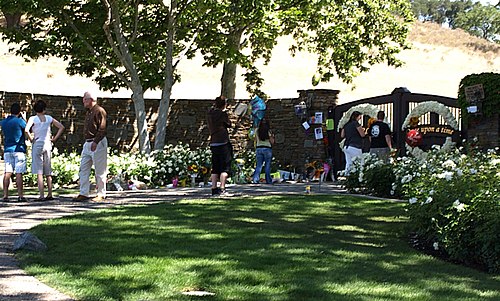
Singer Michael Jackson died on June 25, 2009, in Los Angeles from acute propofol intoxication administered by his personal physician, Conrad Murray. The Los Angeles County coroner ruled the death a homicide, and Murray was convicted of involuntary manslaughter in November 2011.
 Credit: RaptacCC BY-SA 4.0SourceSOLVEDListen
Bardstown, Kentucky · 2015
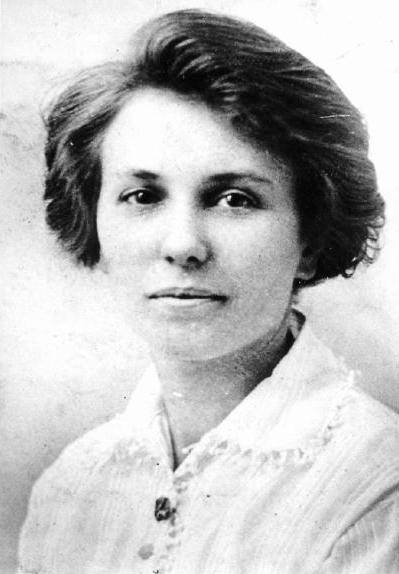
Crystal Rogers, a 35-year-old Bardstown, Kentucky, mother of five, disappeared in July 2015 and has never been found; in 2025, her former boyfriend, Brooks Houck, was found guilty of her murder, and two other men were convicted of related conspiracy and evidence-tampering charges.
 Credit: Wikipedia/Wikimedia Commons (Hall–Mills murder case), c.1920Public domainSourceUNSOLVEDListen
Franklin Township, Somerset County, New Jersey · 1920s
Episcopal priest Edward Wheeler Hall and choir member Eleanor Mills, with whom he was having an affair, were found shot to death in a New Jersey field in September 1922. Hall's wife and her two brothers were tried in 1926 and acquitted; the case remains legally unsolved.
 Credit: Contemporary newspaper via Wikipedia (Green Bicycle Case)Public domainSourceSOLVEDListen
Gartree Road, near Little Stretton, Leicestershire, England · 1919
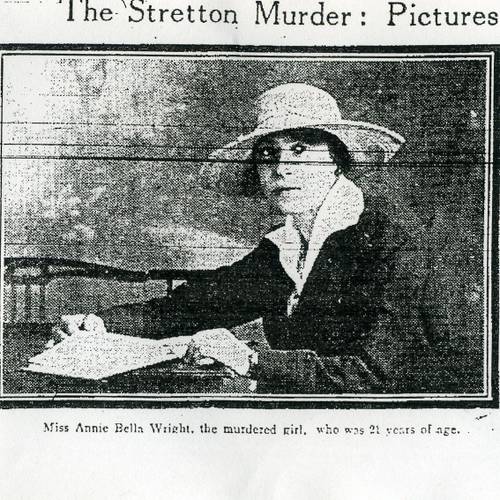
Bella Wright, a 21-year-old factory worker, was shot dead near Little Stretton, Leicestershire, on 5 July 1919 while cycling home. Ronald Light, seen riding with her shortly before her death on a distinctive green bicycle, was tried for her murder in 1920 and acquitted.
Fish Head Beach, Jenner, California · 2004
A young engaged couple, Lindsay Cutshall and Jason Allen, were shot to death while sleeping on a Sonoma County beach in August 2004. The case went unsolved for nearly 13 years until Shaun Gallon confessed following his arrest for another murder; he was convicted and sentenced to life without parole in 2019.
 Credit: English WikipediaEditorial useSourceSOLVEDListen
Washington Township, Macomb County, Michigan · 2007
Tara Lynn Grant, a 34-year-old Michigan mother of two, was strangled by her husband Stephen Grant in February 2007 after an argument; he later dismembered her body, briefly fled, and confessed to police. He was convicted of second-degree murder in December 2007 and sentenced to 50 years in prison.
Clutter family home, Holcomb, Kansas · 1959
In November 1959, four members of the Clutter family were murdered in their rural home near Holcomb, Kansas, in a robbery that yielded almost no money. Two ex-convicts were convicted and executed for the crime, later chronicled in Truman Capote's In Cold Blood.
