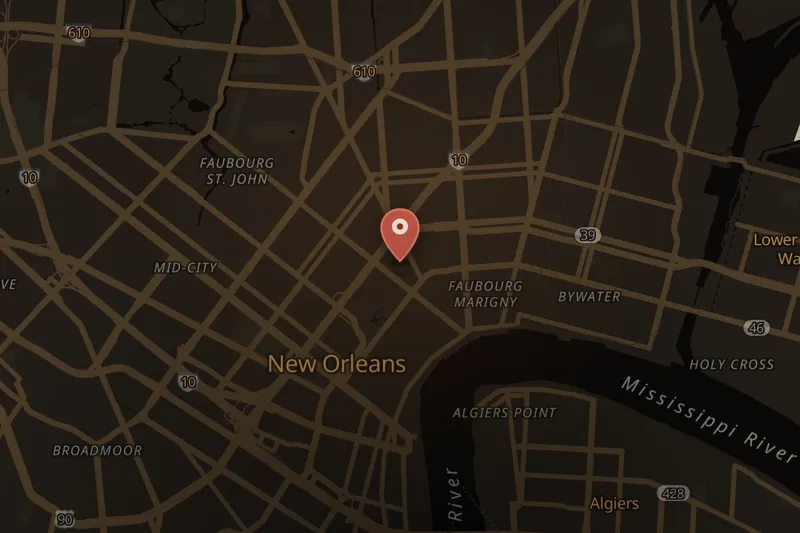
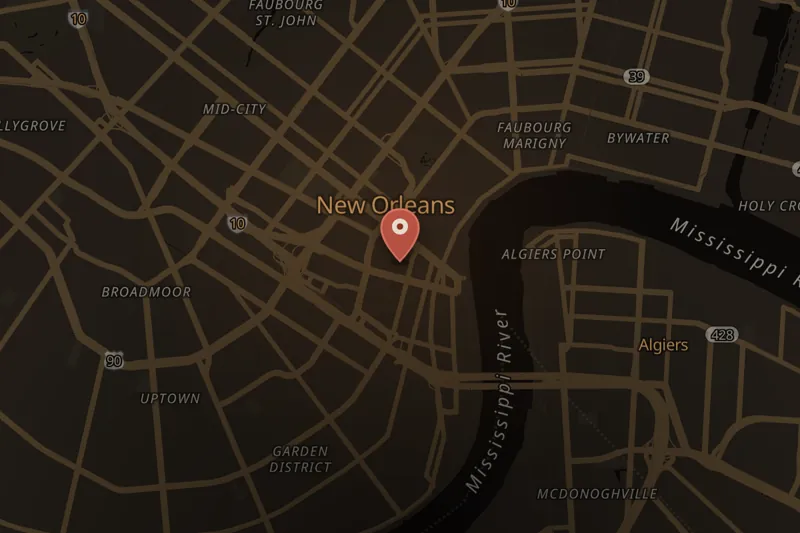
On July 30, 1866, violence erupted in New Orleans outside the Mechanics Institute, where a reconvened Louisiana Constitutional Convention was meeting. A mostly Black crowd of freedmen, including roughly 200 Union war veterans, had gathered to march in support of the convention, which sought to extend suffrage to freedmen and repeal the state's Black Codes. A group of armed white men, largely Democrats and ex-Confederate soldiers opposed to the convention and to Black political power, confronted the marchers near the corner of Common and Dryades streets. It is not established which side fired first, but a violent confrontation quickly followed.
According to an official report, 38 people were killed and 146 wounded, of whom 34 of the dead and 119 of the wounded were Black freedmen. Three white convention attendees and one white protester were also killed. Unofficial estimates vary considerably, with historian Gilles Vandal estimating 40 to 50 Black Americans killed and more than 150 wounded, while other accounts claim casualties approaching 200. Contemporary description indicates that white rioters, including police officers, attacked marchers and convention delegates in the street and inside the Mechanics Institute, firing into the building, and that wounded and unarmed people were killed as they attempted to flee or surrender. Notable people killed included Victor Lacroix, John Henderson Jr., Dr. A. P. Dostie, and Rev. Jotham Horton. Federal troops eventually intervened to suppress the violence, and the governor placed the city under martial law until August 3.
The massacre occurred amid deep political conflict in Louisiana over Black suffrage and the Black Codes, with New Orleans Mayor John T. Monroe—a former Confederate supporter reinstated in May 1866—and other city officials seen by federal authorities as having failed to prevent or punish the violence. In its aftermath, national outrage, compounded by the earlier Memphis riots of 1866, contributed to Republican gains in the 1866 midterm elections and to the Radical Republicans' consolidation of power in Congress. This shift helped drive passage of the Fourteenth Amendment and the Reconstruction Acts, which established military districts overseeing former Confederate states. Under the First Reconstruction Act, General Philip Sheridan, commanding Louisiana's Fifth Military District, removed Mayor Monroe, the state attorney general, and a local judge from office, citing their handling of the New Orleans riot and failure to bring perpetrators to justice.
The massacre also became a point of political controversy regarding President Andrew Johnson, with critics, including Harper's Weekly and Representative Benjamin Butler, alleging that Johnson's actions and statements had emboldened the rioters. An 1867 congressional committee report on a first impeachment inquiry against Johnson included an allegation connecting him to the massacre among proposed grounds for impeachment, though the House rejected impeachment at that time, and the matter was not included when Johnson was later impeached.

 Credit: Not creditedPublic domainSourceUNSOLVEDListen