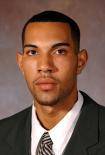
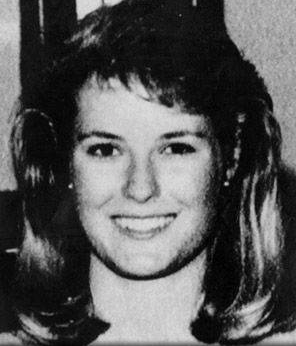
On the evening of July 13, 1982, Kenneth Lamar Franks (18), his girlfriend Jill Montgomery (17), and Montgomery's friend Raylene LaDell Rice (17) were abducted near Lake Waco, Waco, Texas. According to accounts from participant Perry Surita and co-defendant Anthony Melendez, the teenagers encountered David Wayne Spence, Anthony Melendez, and Gilbert Melendez, and were persuaded to accompany them, ostensibly to buy beer and "party." The group drove to a secluded section of Speegleville Park, where the three teenagers were assaulted, raped, and stabbed to death. Investigators later concluded that Montgomery had been mistaken for a young woman named Gayle Kelley, who bore a resemblance to her and who had been involved with a local shopkeeper; Franks and Rice were killed as witnesses. The bodies were discovered on the evening of July 14, 1982, by two fishermen in Speegleville Park. All three victims had been bound with shoelaces, gagged, and stabbed a total of 48 times, with shallow wounds suggesting torture.
The initial investigation, led by Lieutenant Marvin Horton with Detective Ramon Salinas and Patrolman Mike Nicoletti, considered several suspects, including two men who were later found to have alibis. Officer Truman Simons took a lead informal role after the case was suspended in September 1982. Gas station owner Muneer Mohammad Deeb, who had a contentious history with Franks, was arrested shortly after the murders following reported comments implicating himself, but was released after passing a polygraph and for lack of evidence. Nearly a year later, further investigation—centered on a life insurance policy Deeb held on an employee resembling Montgomery—led to the arrest of Deeb, Spence, and the Melendez brothers.
The men were indicted in late 1983, with District Attorney Vic Feazell prosecuting. The case against them relied substantially on testimony from other inmates and confessions from Anthony and Gilbert Melendez, along with bite-mark evidence linked to Spence. Anthony Melendez pleaded guilty in June 1984 and received a life sentence; Spence was convicted in July 1984 and sentenced to death. Gilbert Melendez pleaded guilty in January 1985, receiving life imprisonment in exchange for testimony against Deeb; he died in prison in 1998. Anthony Melendez died in prison in January 2017. Both brothers later recanted their confessions. Deeb was convicted and sentenced to death on June 30, 1985.
Deeb's conviction was overturned in 1991 when the Texas Court of Criminal Appeals ruled that jailhouse-informant testimony should not have been admitted; he won a new trial in January 1993 and was released. Spence's appeals were unsuccessful, and he was executed in April 1997.
Following the convictions, questions arose regarding the reliability of bite-mark evidence from forensic odontologist Homer Campbell, who had separately been shown to have made erroneous identifications. A blind panel review of the bite-mark evidence produced inconsistent results. Some inmate witnesses later said they had been offered incentives for their testimony. Defense investigators identified an alternate suspect with a history of knife offenses and an alibi that did not hold up; that individual later died by suicide amid a separate homicide investigation. Journalist Bob Herbert wrote a series of 1997 New York Times columns questioning the evidentiary basis of the convictions.


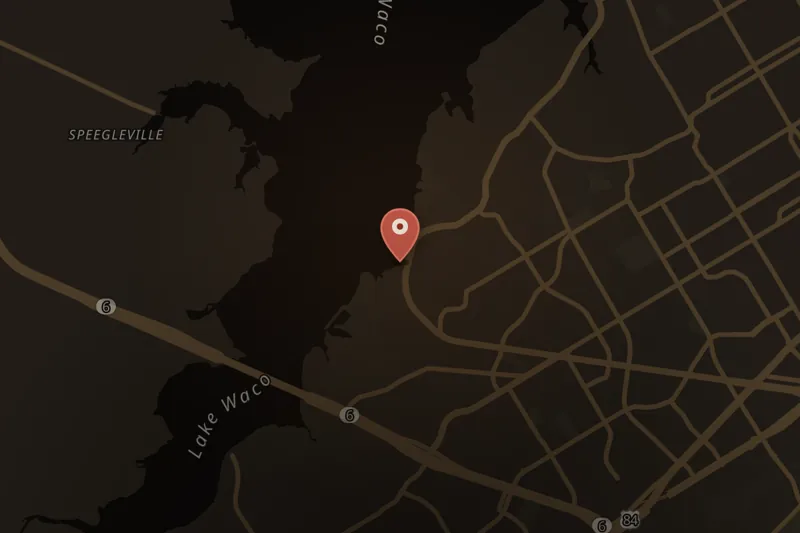
 Image recordPublic domainSourceSOLVEDListen