Skip to content
Casepin

Solved case · 2002

2002 Bali Bombings

Also known as 2002 Bali terrorist bombing · 2002 Bali bombings event

SOLVEDCONVICTEDCHARGEDCHARGES DISMISSED / WITHDRAWN
Updated
Updated Jul 7, 2026
Bali 2002 bombing Memorial MelbourneBali 2002 bombing Memorial MelbourneCredit: User:Peter EllisCC BY-SA 3.0Source

The short answer

2002 Bali Bombings in brief

On 12 October 2002, Jemaah Islamiyah militants detonated three bombs in Kuta, Bali, killing 202 people and injuring 209 others in Indonesia's deadliest terrorist attack.

Key facts

Year
2002
Place
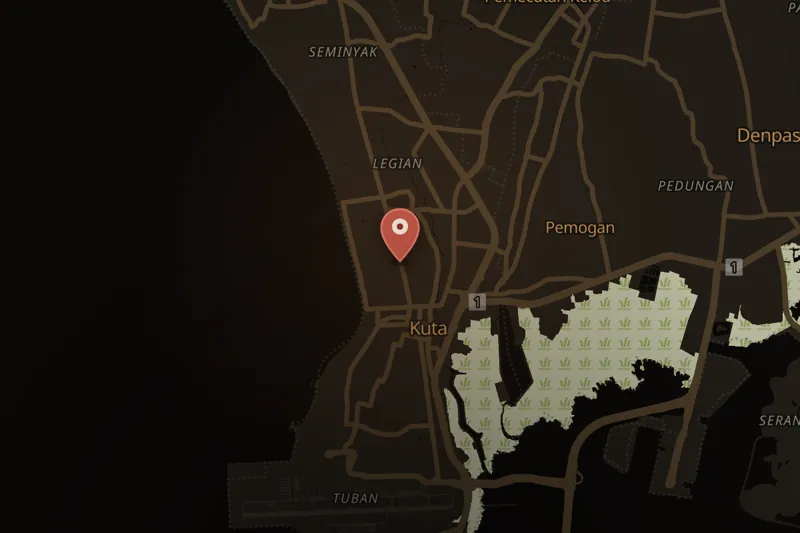
Kuta, Bali, Indonesia
Status
SOLVEDSolved
Victims
Tom Singer, Jake Young and Marc Gajado
Outcome
Convicted: Ali Imron, Zulkarnaen, Maskur Abdul Kadir, Ali Ghufron, Amrozi bin Nurhasyim, Umar Patek, Imam Samudra and Abu Bakar Bashir; Charged: Riduan Isamuddin

The coverage index

Where to watch & listen

No one's coverage is attached to this file yet.

Know great coverage of this case?

A documentary, a podcast episode, a careful long-form video. Suggest it and an editor will review it before it appears here.

Suggest coverage for 2002 Bali Bombings

The case file

What happened

On the night of 12 October 2002, a coordinated terrorist attack struck the tourist district of Kuta on the Indonesian island of Bali. At 11:05 p.m., a suicide bomber detonated an explosives vest inside the nightclub Paddy's Pub. Approximately twenty seconds later, a second suicide bomber detonated a large car bomb packed in a Mitsubishi L300 van outside the Sari Club, an open-air bar across the street. A third, much smaller device exploded outside the United States consulate in Denpasar, causing only minor injuries and property damage. The attacks killed 202 people—151 Westerners, 38 local Indonesians, 10 nationals of six other countries, and 3 unidentified victims—and injured a further 209, making it the worst terrorist act in Indonesia's history. The largest single national group among the dead were Australian tourists, with 88 fatalities. On 14 October 2002, the United Nations Security Council passed Resolution 1438 condemning the bombings as a threat to international peace and security.

Investigators determined the Sari Club bomb was built from a mixture of potassium chlorate, aluminium powder, and sulfur packed into twelve plastic filing cabinets, connected by detonating cord and fitted with electric detonators, with a total weight of roughly 1,020 kilograms. Indonesian police identified the plot as the work of Jemaah Islamiyah, an Islamist militant organization. The arrest of Amrozi bin Nurhasyim, based on evidence including chemical residue, purchase receipts, and mobile phone records, led investigators to a wider network of suspects, including Ali Imron, Imam Samudra, Dulmatin, Idris, Abdul Ghani, and Umar Patek.

Legal proceedings followed over subsequent years. Amrozi bin Nurhasyim was sentenced to death on 8 August 2003 for buying explosives and the van used in the bombings. Imam Samudra was sentenced to death on 10 September 2003. Ali Imron, Amrozi's brother, received a life sentence on 18 September 2003 after expressing remorse. Ali Ghufron, alias Mukhlas, was sentenced to death on 1 October 2003 and told police he had ordered the bombings as a Jemaah Islamiyah cell leader. Amrozi, Imam Samudra, and Mukhlas were executed by firing squad after midnight on 9 November 2008 at the Nusakambangan island prison. Abu Bakar Bashir, alleged spiritual leader of Jemaah Islamiyah, was convicted on 3 March 2005 of conspiracy in relation to the Bali attacks and sentenced to two and a half years; his earlier acquittal on treason charges and a separate later conviction related to different bombings had varied outcomes, and his Bali-related conviction was ultimately overturned by Indonesia's Supreme Court in December 2006. Bomb-maker Azahari Husin was killed in a police raid in November 2005, and Dulmatin, believed to have detonated one of the Bali bombs, was killed in a shootout with police in March 2010. Umar Patek was arrested in Pakistan in early 2011, and Zulkarnaen was arrested in Indonesia in December 2020.

The bombings prompted numerous memorials in Bali, Australia, the United Kingdom, and elsewhere, and led to formal recognition of rescuer heroism under Australia's honours system, including the Cross of Valour and Star of Courage.

18 dated entries · 2002–2020

Timeline

  1. Suicide bomber detonates explosives vest at Paddy's Pub; seconds later a car bomb detonates outside the Sari Club; a smaller device explodes outside the US consulate in Denpasar. 202 people killed, 209 injured.

  2. UN Security Council passes Resolution 1438 condemning the attack.

  3. First charges related to the bombings filed against Amrozi bin Nurhasyim.

  4. Amrozi bin Nurhasyim found guilty and sentenced to death.

  5. Imam Samudra sentenced to death.

  6. Ali Imron sentenced to life imprisonment.

  7. Ali Ghufron (Mukhlas) sentenced to death.

  8. Convicted bomber Maskur Abdul Kadir successfully appeals his conviction; Constitutional Court rules retroactive laws used in Bali trials unconstitutional.

  9. Permanent memorial dedicated at the site of Paddy's Pub on the second anniversary of the attack.

  10. Abu Bakar Bashir convicted of conspiracy over the 2002 Bali attacks and sentenced to two and a half years imprisonment.

  11. Bomb-maker Azahari Husin killed in a police raid in Batu, East Java.

  12. Abu Bakar Bashir freed after serving less than 26 months.

  13. Bashir's conspiracy conviction overturned by Indonesia's Supreme Court.

  14. Suspect Abu Dujana reported captured.

  15. Amrozi bin Nurhasyim, Imam Samudra, and Ali Ghufron (Mukhlas) executed by firing squad at Nusakambangan prison.

  16. Dulmatin killed in a shootout with Indonesian police in Pamulang, South Tangerang.

  17. Umar Patek arrested in Abbottabad, Pakistan.

  18. Suspect Zulkarnaen arrested in Lampung, Indonesia.

13 named in this file

People

Victims first. Every legal label is set from public records and court outcomes, not from the prose.

  • Jake Young

    VICTIM

    Member of the Hong Kong Football Club killed in the bombings, later commemorated with a memorial placard.[3]

  • Marc Gajado

    VICTIM

    Killed instantly in the Sari Club bombing; his partner Hanabeth Luke searched for him after the blast.[3]

  • Tom Singer

    VICTIM

    Injured in the Sari Club bombing and helped by rescuer Hanabeth Luke; died in hospital about a month after the attack.[3]

  • Abu Bakar Bashir

    CONVICTED

    Alleged Jemaah Islamiyah spiritual leader; convicted of conspiracy over the 2002 Bali attacks on 3 March 2005 and sentenced to two and a half years; conviction later overturned by Indonesia's Supreme Court on 21 December 2006.[3]

  • Ali Ghufron

    CONVICTED

    Also known as Mukhlas; convicted and sentenced to death on 1 October 2003 as a Jemaah Islamiyah cell leader who ordered the bombings; executed by firing squad on 9 November 2008.[3]

  • Ali Imron

    CONVICTED

    Brother of Amrozi; sentenced to life imprisonment on 18 September 2003 after expressing remorse for his role.[3]

  • Amrozi bin Nurhasyim

    CONVICTED

    Convicted and sentenced to death on 8 August 2003 for buying explosives and the van used in the bombings; executed by firing squad on 9 November 2008.[3]

  • Imam Samudra

    CONVICTED

    Convicted and sentenced to death on 10 September 2003; executed by firing squad on 9 November 2008.[3]

  • Maskur Abdul Kadir

    CONVICTED

    Convicted bomber whose conviction was successfully appealed on 23 July 2004 after Indonesia's Constitutional Court found the retroactive laws used in his trial unconstitutional.[3]

  • Umar Patek

    CONVICTED

    Convicted by a Jakarta court on 21 June 2012 of building the bombs used in the 2002 Bali nightclub attacks that killed 202 people; sentenced to 20 years in prison. Arrested in Abbottabad, Pakistan in early 2011. Released on parole in December 2022 after serving about half his sentence.[3]

  • Zulkarnaen

    CONVICTED

    Senior Jemaah Islamiyah figure arrested in Lampung, Indonesia on 10 December 2020 after 18 years evading capture; convicted by the East Jakarta District Court on 19 January 2022 of terrorism offenses (aiding and sheltering perpetrators, withholding information) tied to the network behind the 2002 Bali bombings and sentenced to 15 years; a direct charge of masterminding the bombings was dismissed as time-barred under the statute of limitations.[3]

  • Riduan Isamuddin

    CHARGED

    Known as Hambali; alleged operational chief of Jemaah Islamiyah; arrested in Thailand on 11 August 2003 and has been held at Guantanamo Bay since. Formally charged on 21 January 2021 before a U.S. military commission with murder, terrorism and conspiracy tied to the 2002 Bali bombings and the 2003 J.W. Marriott Hotel bombing; as of 2026 no trial date has been set, with a tribunal targeted for late 2026.[3]

  • Idris

    CHARGES DISMISSED / WITHDRAWN

    Real name Joni Hendrawan; confessed to police and in court to helping purchase the van used in the October 2002 Bali bombings and training the driver, but his trial charges were dismissed by the South Jakarta District Court on 24 August 2004 after Indonesia's Constitutional Court ruled that trying Bali bombing suspects under anti-terrorism laws enacted after the attack (applied retroactively) was unconstitutional. He was never convicted of the Bali bombings. No charges remain pending against him in this case. He was separately convicted and sentenced to 10 years for the August 2003 Marriott Hotel bombing in Jakarta (a different case, under different, non-retroactive laws), and was released early in 2009 after serving about five years.[3]

From the record

Quick answers

Who were convicted?
Ali Imron: Brother of Amrozi; sentenced to life imprisonment on 18 September 2003 after expressing remorse for his role. Zulkarnaen: Senior Jemaah Islamiyah figure arrested in Lampung, Indonesia on 10 December 2020 after 18 years evading capture; convicted by the East Jakarta District Court on 19 January 2022 of terrorism offenses (aiding and sheltering perpetrators, withholding information) tied to the network behind the 2002 Bali bombings and sentenced to 15 years; a direct charge of masterminding the bombings was dismissed as time-barred under the statute of limitations. Maskur Abdul Kadir: Convicted bomber whose conviction was successfully appealed on 23 July 2004 after Indonesia's Constitutional Court found the retroactive laws used in his trial unconstitutional. Ali Ghufron: Also known as Mukhlas; convicted and sentenced to death on 1 October 2003 as a Jemaah Islamiyah cell leader who ordered the bombings; executed by firing squad on 9 November 2008. Amrozi bin Nurhasyim: Convicted and sentenced to death on 8 August 2003 for buying explosives and the van used in the bombings; executed by firing squad on 9 November 2008. Umar Patek: Convicted by a Jakarta court on 21 June 2012 of building the bombs used in the 2002 Bali nightclub attacks that killed 202 people; sentenced to 20 years in prison. Arrested in Abbottabad, Pakistan in early 2011. Released on parole in December 2022 after serving about half his sentence. Imam Samudra: Convicted and sentenced to death on 10 September 2003; executed by firing squad on 9 November 2008. Abu Bakar Bashir: Alleged Jemaah Islamiyah spiritual leader; convicted of conspiracy over the 2002 Bali attacks on 3 March 2005 and sentenced to two and a half years; conviction later overturned by Indonesia's Supreme Court on 21 December 2006.

3 cited

Sources

Coverage is not a source: every fact in this file rests on the records below.

  • 1 Official / agency
  • 1 Press
  • 1 Encyclopedic
  1. Contemporaneous coverage — honours.pmc.gov.au

    Official / agencyhonours.pmc.gov.auAccessed Jul 7, 2026

  2. Contemporaneous coverage — The Sydney Morning Herald

    PressThe Sydney Morning HeraldAccessed Jul 7, 2026

  3. 2002 Bali bombings

    EncyclopedicWikipediaAccessed Jul 7, 2026

Trust

Record history

First published
Jul 7, 2026
Corrections
None

Are you family of someone named in this file? Corrections and removal requests from victims’ families are prioritized.