Skip to content
Casepin

Solved case · 2004

Australian Embassy bombing in Jakarta

Also known as Atentado contra la embajada australiana en Indonesia

SOLVEDCONVICTEDCHARGED
Updated
Updated Jul 7, 2026
Aus Emb bomb2Aus Emb bomb2Credit: DavidelitCC BY 3.0Source

The short answer

Australian Embassy bombing in Jakarta in brief

A car bomb detonated outside the Australian embassy in Jakarta on 9 September 2004, killing nine people and wounding over 150. Jemaah Islamiyah claimed responsibility; several men were later convicted for their roles in planning and facilitating the attack.

Key facts

Year
2004
Place
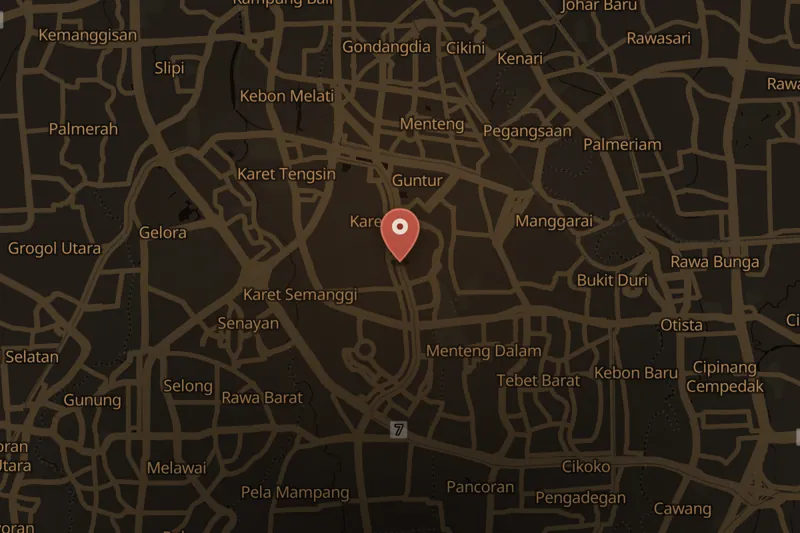
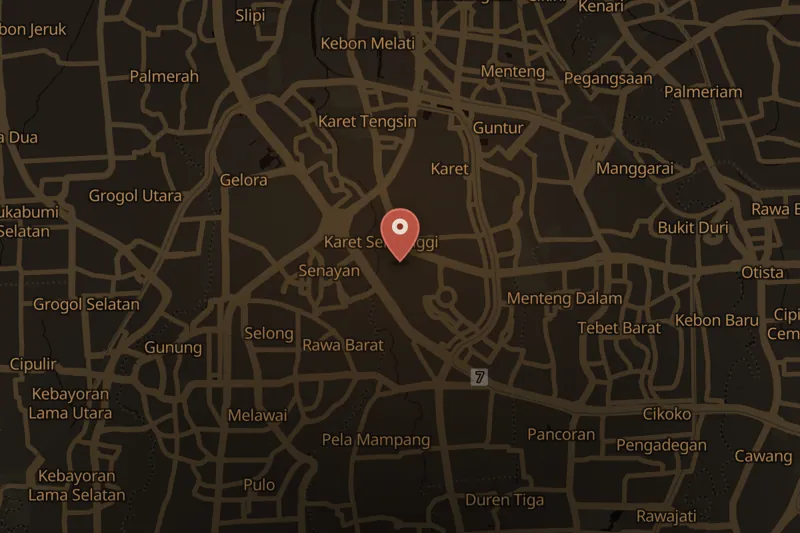
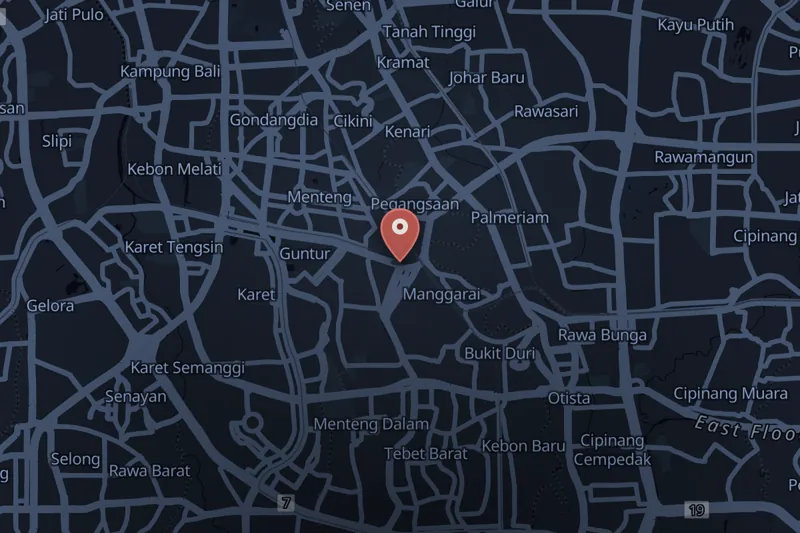
Kuningan District, South Jakarta, near the Australian Embassy
Status
SOLVEDSolved
Victims
Suryadi and Anton Sujarwo
Outcome
Convicted: Irun Hidayat, Rois and Agus Ahmad; Charged: Heri Golun, Noordin Mohammed Top and Azahari Husin

The coverage index

Where to watch & listen

No one's coverage is attached to this file yet.

Know great coverage of this case?

A documentary, a podcast episode, a careful long-form video. Suggest it and an editor will review it before it appears here.

Suggest coverage for Australian Embassy bombing in Jakarta

The case file

What happened

On 9 September 2004, at approximately 10:30 local time, a one-tonne car bomb packed into a Daihatsu delivery van exploded outside the Australian embassy in the Kuningan District of South Jakarta, Indonesia. The blast killed nine people, including the suicide bomber, and wounded more than 150 others. The explosion caused significant damage to the embassy area, gutted part of the adjacent Greek embassy building on its 12th floor (slightly wounding three diplomats), and damaged the nearby Chinese embassy. Numerous surrounding office buildings sustained damage, with windows shattered up to 500 metres away, injuring many people inside from broken glass.

There was a discrepancy in casualty figures: local Jakarta health authorities reported nine deaths, while Australian officials reported eleven. All Australian embassy staff were reported to have survived. Among those killed were embassy security guard Anton Sujarwo, 23; four Indonesian police officers on duty at the embassy; the embassy gardener, Suryadi, 34; two embassy workers; a visa applicant; and a pedestrian.

Australian Prime Minister John Howard and Foreign Minister Alexander Downer publicly responded, with Downer stating investigators' suspicions turned toward Jemaah Islamiyah. Indonesian police released a photograph of a white delivery van suspected of carrying the bomb. Downer said a warning text message referencing the detention of Jemaah Islamiyah leader Abu Bakar Bashir had been sent to Indonesian authorities roughly 45 minutes before the blast, though Indonesian police said they did not receive such a message. The attack followed the 2002 Bali bombings and the 2003 Marriott Hotel bombing, both also attributed to Jemaah Islamiyah.

Jemaah Islamiyah claimed responsibility for the bombing via an Islamist website, framing it as retaliation against Australia and threatening further attacks unless Australia withdrew troops from Iraq. Indonesian police identified Azahari Husin and Noordin Mohammed Top as suspected organizers; Azahari was killed in a police raid in November 2005, and Noordin was killed in September 2009. On 1 October 2004, DNA testing identified the suicide bomber as Heri Golun.

On 10 November 2004, Indonesian police arrested Rois, also known as Iwan Dharmawan, along with five other suspects. Rois told police that funds for the attack had been routed via a courier reportedly sent by Osama bin Laden through Malaysia, and stated the motivation was Australia's involvement in the Iraq war. On 13 September 2005, Rois was sentenced to death for his role in the bombing, though he later recanted his confession in court. An appeal against the death sentence was rejected by the Indonesian High Court in December 2005.

Irun Hidayat was charged in March 2005 as an accessory for providing money and housing to perpetrators after the attack. On 21 July 2005, he was convicted of providing housing to Azahari and Noordin (but not of planning the attack) and sentenced to three years in prison, becoming the first person tried in connection with the bombing. Agus Ahmad was also tried for helping scout safe houses and transporting explosives used in the attack.

10 dated entries · 2004–2009

Timeline

  1. Car bomb explodes outside the Australian embassy in Kuningan District, South Jakarta, killing nine people and wounding over 150.

  2. Authorities identify the suicide bomber as Heri Golun via DNA testing.

  3. Indonesian police arrest Rois (Iwan Dharmawan) and five other suspects in Merak, Banten.

  4. Irun Hidayat charged as an accessory for providing money and housing to bombing perpetrators.

  5. Irun Hidayat convicted of providing housing to Azahari and Noordin and sentenced to three years in jail.

  6. Rois sentenced to death for his role in the bombing.

  7. Azahari Husin, suspected organizer, killed in a police raid in Batu, East Java.

  8. Indonesian High Court rejects Rois's appeal against the death penalty.

  9. International Crisis Group releases report 'Terrorism in Indonesia' detailing the planning of the attack.

  10. Noordin Mohammed Top, suspected organizer, killed in Surakarta, Central Java.

8 named in this file

People

Victims first. Every legal label is set from public records and court outcomes, not from the prose.

  • Anton Sujarwo

    VICTIM

    Embassy security guard, 23, killed in the bombing[3]

  • Suryadi

    VICTIM

    Embassy gardener, 34, killed in the bombing[3]

  • Agus Ahmad

    CONVICTED

    Convicted for helping scout safe houses and transporting about 70 kilograms of explosives used in the 2004 Australian Embassy bombing in Jakarta; sentenced to 4 years in prison.[3]

  • Irun Hidayat

    CONVICTED

    Convicted 21 July 2005 as an accessory for providing housing to bombing organizers Azahari and Noordin; sentenced to three years[3]

  • Rois

    CONVICTED

    Also known as Iwan Dharmawan; sentenced to death on 13 September 2005 for his role in organizing the bombing[3]

  • Azahari Husin

    CHARGED

    Identified by Indonesian police as having planned the 2004 Australian Embassy bombing in Jakarta; killed by a police sniper during a raid in Batu, East Java, in November 2005, so was never prosecuted.[3]

  • Heri Golun

    CHARGED

    Identified via DNA as the suicide bomber who carried out the attack; died in the bombing[3]

  • Noordin Mohammed Top

    CHARGED

    Identified by Indonesian police as having arranged the 2004 Australian Embassy bombing in Jakarta; killed in a police raid in Surakarta, Central Java, in September 2009, so was never prosecuted.[3]

From the record

Quick answers

Who were convicted?
Irun Hidayat: Convicted 21 July 2005 as an accessory for providing housing to bombing organizers Azahari and Noordin; sentenced to three years Rois: Also known as Iwan Dharmawan; sentenced to death on 13 September 2005 for his role in organizing the bombing Agus Ahmad: Convicted for helping scout safe houses and transporting about 70 kilograms of explosives used in the 2004 Australian Embassy bombing in Jakarta; sentenced to 4 years in prison.

3 cited

Sources

Coverage is not a source: every fact in this file rests on the records below.

  • 2 Press
  • 1 Encyclopedic
  1. JI claims responsibility for blast: report

    PressThe Sydney Morning HeraldAccessed Jul 7, 2026

  2. Australian Embassy bombing in Jakarta

    EncyclopedicWikipediaAccessed Jul 7, 2026

Trust

Record history

First published
Jul 7, 2026
Corrections
None

Are you family of someone named in this file? Corrections and removal requests from victims’ families are prioritized.