Active case
Semanggi shootings

Overview
The Semanggi shootings refer to two incidents in which Indonesian state security forces fired on unarmed civilians and student protesters near the Semanggi cloverleaf interchange in Jakarta during special sessions of the People's Consultative Assembly (MPR). These events occurred in the turbulent period following President Suharto's resignation in May 1998, as students continued to press for political reform, including an end to the military's non-elected role in parliament.
Semanggi I (13 November 1998)
During a Special Session of the MPR convened to set a timetable for national elections, thousands of students staged a sit-down protest near Atma Jaya University and the Semanggi interchange. Security forces responded with live ammunition, killing 17 people and wounding approximately 400. The dead included six university students, two high school students, and two Army officers. Victims were identified as Teddy Wardhani Kusuma, Sigit Prasetyo, Heru Sudibyo, Engkus Kusnadi, Muzammil Joko, Uga Usmana, Abdullah (also known as Donit), Agus Setiana, Budiono, Doni Effendi, Rinanto, Sidik, Kristian Nikijulong, and Hadi, among others.
Semanggi II (24 September 1999)
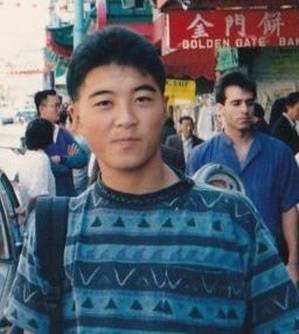
Students in Jakarta and other cities protested a proposed law expanding the Army's powers during emergencies. One student, Yap Yun Hap of the University of Indonesia, was shot dead outside Atma Jaya University; ten others were also killed, including Muhammad Yusuf Rizal and Saidatul Fitriah in Lampung, and Meyer Ardiansyah in Palembang. More than 200 people were wounded.
Accountability efforts
Human rights groups called for investigations into senior figures including Wiranto, Roesmanhadi, Noegroho Djayusman, and Djaja Soeparman, but the government declined to bring them to trial. The House of Representatives (DPR) established a Special Committee (Pansus) in 2000, which in 2001 concluded in a divided vote that the killings did not constitute gross human rights violations, opting for military rather than human rights court proceedings. Subsequent military tribunals in 2001–2003 resulted in prison sentences of three to six years for nine Mobile Brigade personnel over Semanggi I, and a sentence for Kostrad soldier Buhari Sastro Tua Putty over the killing of Yap Yun Hap in Semanggi II.
The National Commission on Human Rights (Komnas HAM) conducted its own inquiry (KPP-TSS), finding that gross human rights violations had occurred, and summoned senior officials including Wiranto and Roesmanhadi, who refused to comply. Case files sent to the Attorney General's Office were repeatedly returned as incomplete.
Continued unresolved status
Presidents Susilo Bambang Yudhoyono and Joko Widodo both made public commitments to resolve the case, but relatives of victims and rights groups such as Kontras report no substantive progress. In January 2020, the Attorney General's Office reiterated that the incidents were not gross human rights violations, a position Kontras disputed as legally improper.

Key facts
- Victims
- Meyer Ardiansyah, Yap Yun Hap, Saidatul Fitriah, Teddy Wardhani Kusuma, Muhammad Yusuf Rizal
- Date
- 1998
- Location
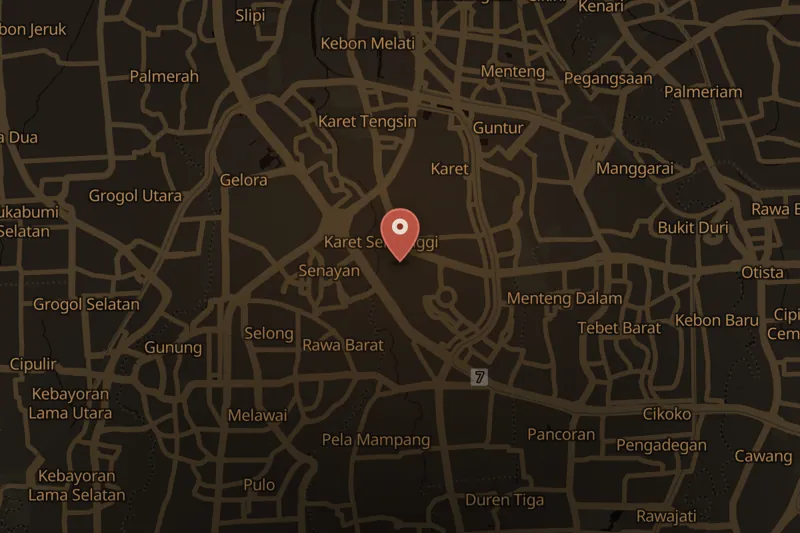
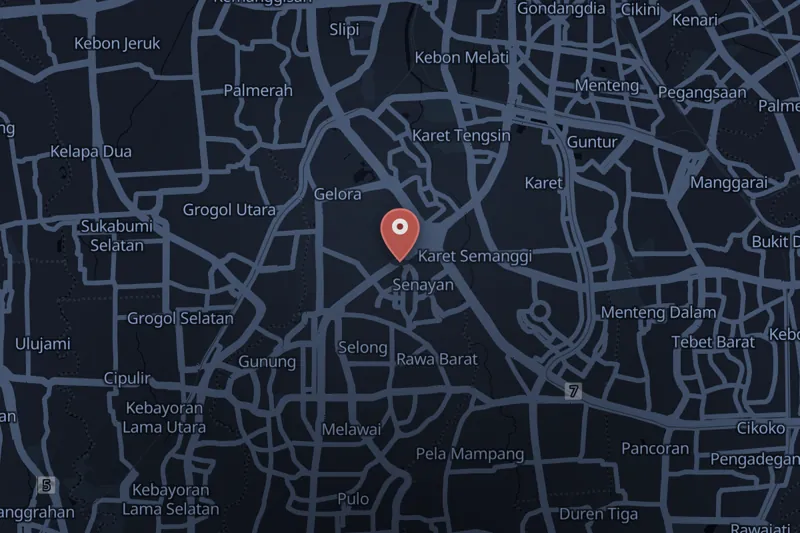
- Semanggi cloverleaf interchange, Jakarta, Indonesia
- Case status
- unsolved
Case timeline
1998-05
President Suharto resigns amid mass protests and unrest.
1998-11-13
Semanggi I: security forces fire on student protesters near the Semanggi interchange, killing 17 and wounding about 400.
1999-04
Indonesian Armed Forces (ABRI) splits into the Indonesian National Armed Forces (TNI) and the Indonesian National Police.
1999-09-24
Semanggi II: security forces fire on protesters opposing a proposed emergency-powers law; Yap Yun Hap and others are killed.
1999-10-05
Meyer Ardiansyah is killed in Palembang in connection with the Semanggi II protests.
2000
DPR establishes a Special Committee (Pansus) to examine the Trisakti and Semanggi incidents.
2001-06
Military prosecutions begin against 11 Mobile Brigade personnel over Semanggi I.
2001-07
Pansus announces divided findings; DPR decides the killings will be handled by military tribunals rather than an ad hoc human rights court.
2002-01
Nine Mobile Brigade personnel are sentenced to three to six years in prison over Semanggi I.
2002-03
Komnas HAM summons Wiranto and Roesmanhadi for questioning; both refuse to comply.
2003-06
A military court sentences Kostrad soldier Buhari Sastro Tua Putty over the shooting of Yap Yun Hap.
2007
Some DPR factions attempt to overturn the finding that the killings were not gross human rights violations; the proposal is rejected.
2010-09-28
President Susilo Bambang Yudhoyono promises to refer the matter to the Deputy Attorney General for Special Crimes.
2014-10-20
President Joko Widodo promises during his inauguration to resolve human rights violation cases.
2015-12-02
Jokowi repeats his promise to resolve the case on Human Rights Day.
2016-01-08
Jokowi again pledges resolution at a cabinet meeting.
2016
Komnas HAM chairman Imdadun Rakhmat acknowledges slow progress on the case.
2020-01-16
Attorney General ST Burhanuddin reiterates that the Semanggi shootings were not gross human rights violations; Kontras condemns the statement.
Best coverage
No approved coverage links are attached yet.
People
Djaja Soeparman
LAW ENFORCEMENTChief of Jakarta Military Command / head of Kostrad at the time of Semanggi II; named in calls for investigation
Meyer Ardiansyah
VICTIMUniversitas IBA Palembang student killed on 5 October 1999 in connection with Semanggi II protests
Yap Yun Hap
VICTIMUniversity of Indonesia student shot dead outside Atma Jaya University during Semanggi II on 24 September 1999
Saidatul Fitriah
VICTIMKilled in Lampung during the Semanggi II protests
Teddy Wardhani Kusuma
VICTIMKilled in the Semanggi I shooting on 13 November 1998
Wiranto
LAW ENFORCEMENTMinister of Defense at the time of the killings; summoned but not prosecuted
Roesmanhadi
LAW ENFORCEMENTChief of National Police at the time of the killings; refused Komnas HAM summonses
Muhammad Yusuf Rizal
VICTIMKilled in Lampung during the Semanggi II protests
Noegroho Djayusman
LAW ENFORCEMENTChief of Jakarta Police at the time of the killings; named in calls for investigation
Buhari Sastro Tua Putty
CONVICTEDKostrad soldier convicted by military court in June 2003 for the shooting of Yap Yun Hap during Semanggi II
Roles reflect public records and court outcomes at the time of writing — supporting citations are on file under Sources.
Places
Common questions
- What happened to the victim?
- Indonesian security forces opened fire on unarmed student protesters near the Semanggi cloverleaf interchange in Jakarta in two separate incidents in 1998 and 1999, killing 29 people combined; despite military tribunals for some low-ranking personnel, senior officials were never prosecuted and the case remains formally unresolved.
- Where did the shootings happen?
- Semanggi cloverleaf interchange, Jakarta, Indonesia.
- Who was convicted?
- Buhari Sastro Tua Putty (Kostrad soldier convicted by military court in June 2003 for the shooting of Yap Yun Hap during Semanggi II).
- What is the current status of the case?
- Status: unsolved.
Sources
- Semanggi shootingswikipedia · Wikipedia · 2026-07-07
- Contemporaneous coverage — nasional.kompas.comnews · nasional.kompas.com · 2026-07-07
- Contemporaneous coverage — nasional.tempo.conews · nasional.tempo.co · 2026-07-07