Casepin
Back to cases

Case file

2003 Marriott Hotel bombing

SOLVED2003JW Marriott Hotel, Jakarta, Indonesia3 SOURCESUPDATED JUL 2026

Documents violence · ongoing investigation — written to inform, not to shock.

Illustrative

On 5 August 2003, a suicide bomber detonated a car bomb outside the lobby of the JW Marriott Jakarta hotel, killing 12 people and injuring 150. Eleven of those killed were Indonesian and one was a Dutch national. The Marriott was regarded as a Western symbol and had previously been used by the United States embassy for events. The hotel closed for five weeks and reopened on 8 September 2003.

Two weeks before the attack, Indonesian police received a tip from a militant captured in a raid in Semarang that bomb-making materials were being moved to Jakarta; drawings of potential attack sites in the city were also found during that raid. The bomb vehicle, a Toyota Kijang purchased on 20 July 2003, was loaded with explosives and driven through the hotel's taxi stand before detonating near the lobby. CCTV footage showed a security guard approaching and briefly speaking with the driver shortly before the blast; it remains unclear whether the explosion was accidental, remotely triggered, or set off by a prematurely activated timer. Indonesian police said the bomb used a chemical mixture and detonation method (mobile phone-triggered) similar to that used in the 2002 Bali bombings, and that identification numbers had been scraped from the vehicle in both cases. The severed head of Asmar Latin Sani, 28, from West Sumatra, was found on the building's fifth floor and identified by two jailed Jemaah Islamiyah members who said they had recruited him. A charred battery recovered from the bombing was reported to resemble ones used in a series of Christmas Eve 2000 church bombings that killed 19 people.

On 11 August 2003, al-Qaeda claimed responsibility for the attack via Al Jazeera, singling out Australia in its statement. Jemaah Islamiyah, a group affiliated with al-Qaeda, was alleged to have carried out the bombing; Indonesia's Minister of Defense, Matori Abdul Djalil, said the bombers had trained with al-Qaeda in Afghanistan and Pakistan and linked them to a Semarang-based group. A 2006 International Crisis Group report detailed planning stages, including the transport of explosives from Dumai to Bengkulu, a May 2003 bank robbery in Medan to raise funds, and a June 2003 meeting in Lampung where the final operational team—including Noordin Mohammad Top, Azahari Husin, and Asmar Latin Sani as the designated suicide bomber—divided tasks and selected the Marriott over other surveyed targets, including a Citibank branch and two schools.

Several individuals were prosecuted in Indonesian courts. Muhammad Rais was convicted in May 2004 of violating anti-terrorism laws for transporting explosives used in the bombing and was sentenced to seven years in prison. Rusman Gunawan was sentenced in October 2004 to four years for facilitating and aiding terrorism after transferring funds used to finance the attack. Sardona Siliwangi, described as the first person sentenced for the attack, was convicted of terrorism for storing explosives at his home in Bengkulu and was sentenced to ten years in prison. Other alleged participants, including Riduan Isamuddin (Hambali) and Mohammed Nazir Bin Lep, were held at Guantanamo Bay; Majid Khan pleaded guilty in 2012 to taking part in the bombing. The attack affected Indonesian markets, with the Jakarta Stock Exchange falling 3.1 percent and the rupiah losing value against the US dollar, and prompted Australia to warn its citizens to avoid international hotels in Jakarta.

Key facts

Victims
On file
Date
2003
Location
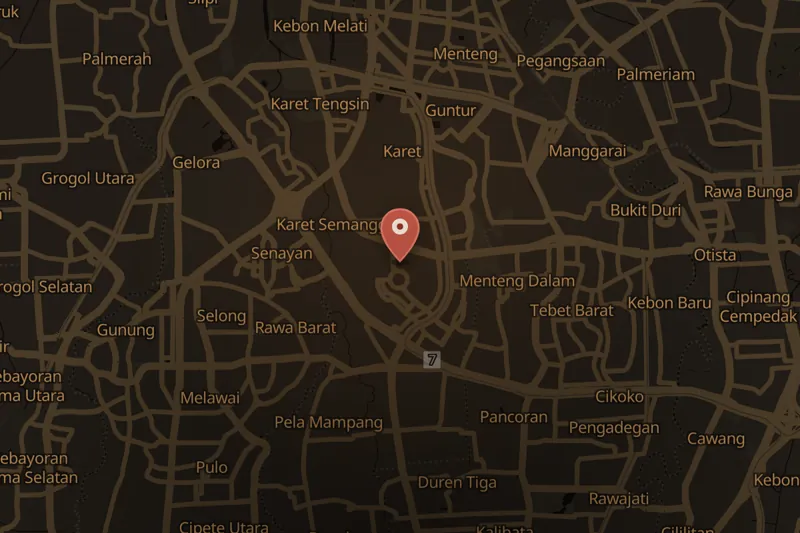
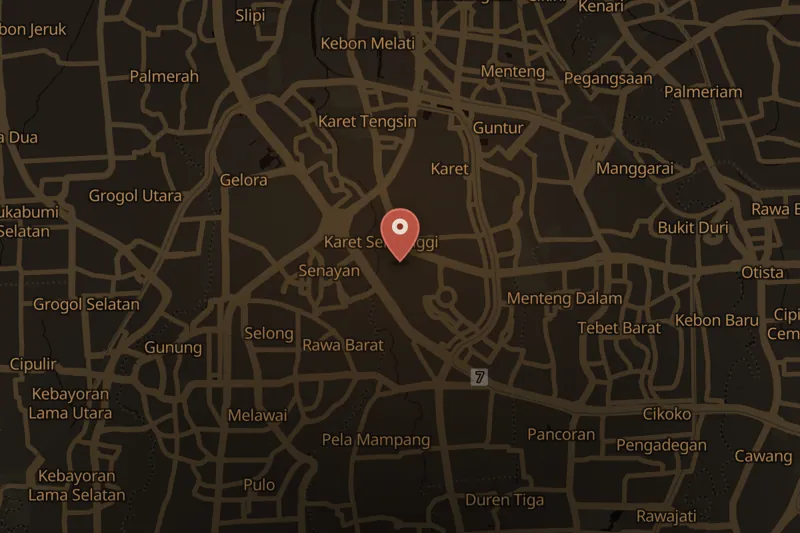
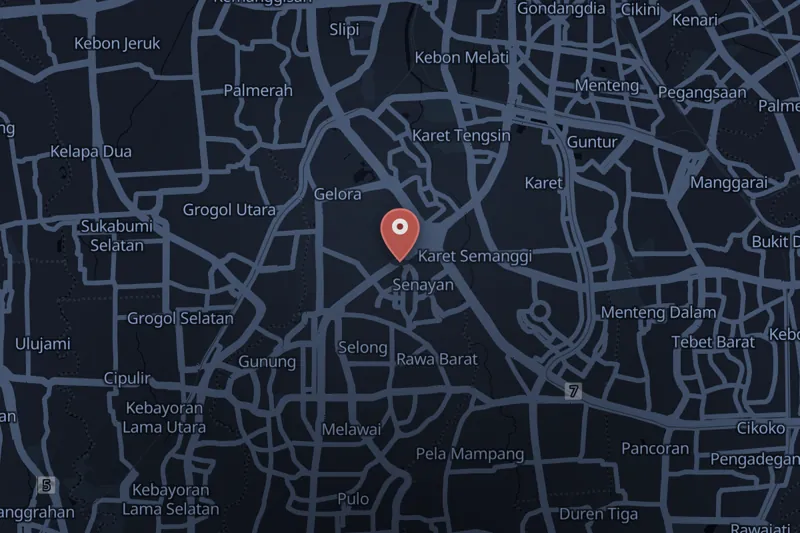
JW Marriott Hotel, Jakarta, Indonesia
Case status
solved

Case timeline

  1. 2003-07-20

    A Toyota Kijang later used as the bomb vehicle was purchased from an Indonesian businessman for 25.75 million rupiah.

  2. 2003-08-05

    A suicide car bomb detonated outside the lobby of the JW Marriott Jakarta, killing 12 people and injuring 150.

  3. 2003-08-11

    Al-Qaeda claimed responsibility for the bombing via Al Jazeera, six days after the attack.

  4. 2003-09-08

    The JW Marriott Jakarta reopened to the public after a five-week closure.

  5. 2004-05

    Muhammad Rais was convicted of violating anti-terrorism laws in connection with the attack and sentenced to seven years in prison.

  6. 2004-07-26

    Air Setyawan, Luthfi Haidaroh and Urwah were arrested in Surakarta by Indonesia's Detachment 88 anti-terrorist squad.

  7. 2004-10

    Rusman Gunawan was sentenced to four years in prison for facilitating and aiding terrorism related to financing the bombing.

  8. 2006-04-29

    Gempur Angkoro, alleged to have assembled the JW Marriott bomb, was killed in a raid.

  9. 2006-05-05

    The International Crisis Group released Asia Report No. 114, 'Terrorism in Indonesia,' detailing the events leading to the bombing.

  10. 2012

    Majid Khan pleaded guilty to taking part in the bombing.

Best coverage

No approved coverage links are attached yet.

People

  • Sardona Siliwangi

    CONVICTED

    First person sentenced for the attack; convicted of terrorism for storing explosives at his home in Bengkulu and sentenced to ten years in prison.

    citation on file

  • Riduan Isamuddin

    CHARGED

    Also known as Hambali; accused of masterminding the bombing and held at Guantanamo Bay detention camp since his August 2003 arrest in Thailand.

    citation on file

  • Gempur Angkoro

    CHARGED

    Alias Jabir; alleged to have personally assembled the JW Marriott bomb; killed in a raid on 29 April 2006.

    citation on file

  • Mohammed Nazir Bin Lep

    CHARGED

    Alleged to have transferred al-Qaeda funds used for the bombing; held at Guantanamo Bay detention camp.

    citation on file

  • Majid Khan

    CONVICTED

    Pled guilty in 2012 to taking part in the bombing.

    citation on file

  • Asmar Latin Sani

    CHARGED

    Identified as the suicide bomber who detonated the vehicle; his severed head was found and identified by two jailed Jemaah Islamiyah members. He was not tried, as he died in the bombing.

    citation on file

  • Muhammad Rais

    CONVICTED

    Convicted in May 2004 of violating anti-terrorism laws for transporting explosives used in the bombing; sentenced to seven years in prison.

    citation on file

  • Rusman Gunawan

    CONVICTED

    Sentenced in October 2004 to four years in prison for facilitating and aiding terrorism by transferring funds used to finance the bombing.

    citation on file

Places

Common questions

What happened to the victim?
A suicide car bomb detonated outside the JW Marriott hotel in Jakarta on 5 August 2003, killing 12 people and injuring 150 in an attack attributed to the al-Qaeda-linked group Jemaah Islamiyah.
Where did the bombing happen?
JW Marriott Hotel, Jakarta, Indonesia.
Who was convicted?
Sardona Siliwangi (First person sentenced for the attack; convicted of terrorism for storing explosives at his home in Bengkulu and sentenced to ten years in prison.), Majid Khan (Pled guilty in 2012 to taking part in the bombing.), Muhammad Rais (Convicted in May 2004 of violating anti-terrorism laws for transporting explosives used in the bombing; sentenced to seven years in prison.), and Rusman Gunawan (Sentenced in October 2004 to four years in prison for facilitating and aiding terrorism by transferring funds used to finance the bombing.).
What is the current status of the case?
Status: solved.

Sources

  1. 2003 Marriott Hotel bombingwikipedia · Wikipedia · 2026-07-07
  2. Contemporaneous coverage — BBC Newsnews · BBC News · 2026-07-07
  3. Contemporaneous coverage — TIMEnews · TIME · 2026-07-07