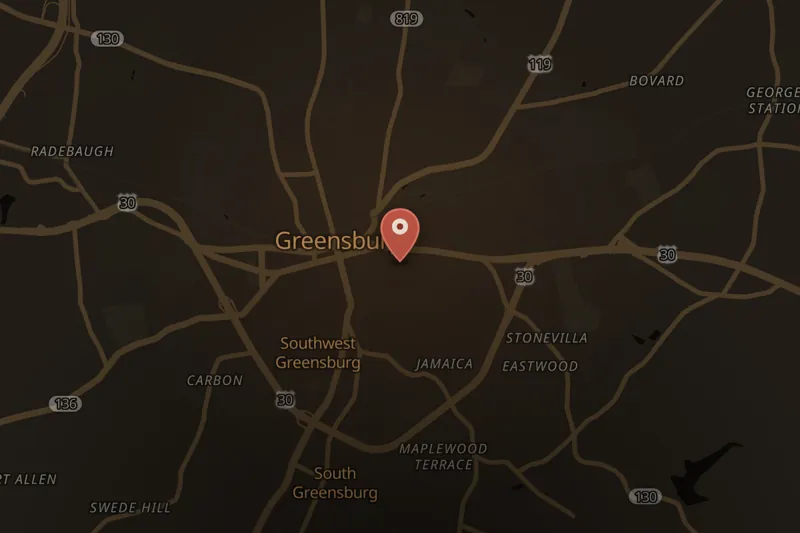
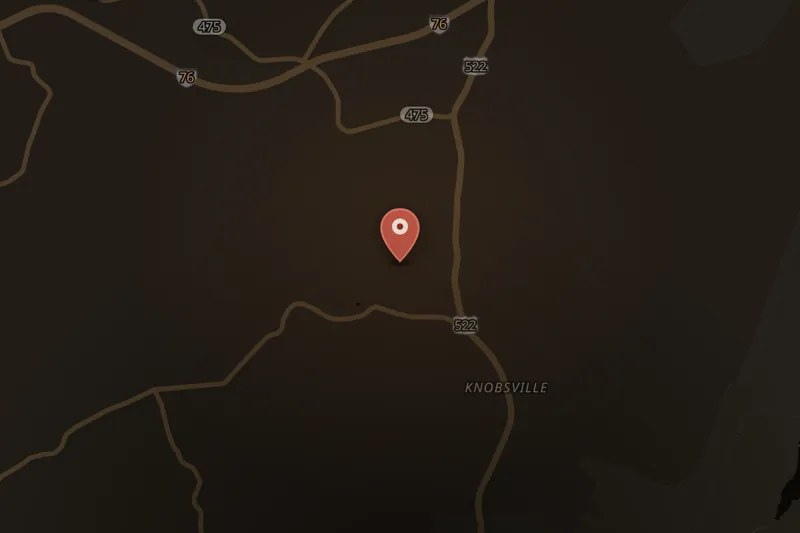
United Airlines Flight 93 was a scheduled domestic flight operated with a Boeing 757-200, registration N591UA, from Newark International Airport, New Jersey, to San Francisco International Airport, California. On the morning of September 11, 2001, the flight was hijacked by four men affiliated with the terrorist organization al-Qaeda as part of the coordinated September 11 attacks. The hijackers intended to crash the aircraft into a federal government building in Washington, D.C. A 42-minute ground delay let passengers and crew learn by phone of the earlier attacks on the World Trade Center and the Pentagon that morning, and, recognizing their flight was likely part of a similar suicide mission, a group of passengers organized to fight back. In the resulting struggle, the aircraft crashed into a field near Shanksville in Somerset County, Pennsylvania, killing all 44 people aboard and preventing the hijackers from reaching their intended target.
Roughly forty-six minutes into the flight, at about 9:28 a.m., the hijackers fatally stabbed a first-class passenger believed to have been Mark Rothenberg and then stormed the cockpit, struggling with the flight crew as air traffic controllers listened in. A Cleveland controller picked up a distress transmission of a man shouting, "Mayday! Mayday! Get out of here! We're all gonna die here!" The cockpit voice recorder captured a hijacker announcing a bomb on board, the sounds of a wounded crew member moaning, and a flight attendant believed to be purser Deborah Welsh pleading before she was killed or otherwise silenced. Beginning at 9:30 a.m., passengers and crew called family members, colleagues, and emergency dispatchers from onboard phones; flight attendants Sandra Bradshaw and CeeCee Lyles reported the hijacking, and passenger Edward Felt reached a 9-1-1 dispatcher from the rear of the aircraft.
After passengers voted on whether to act, the revolt began at 9:57 a.m. Passenger Todd Beamer, connected to a telephone operator, said he and other passengers were planning to storm the hijacker guarding the cabin; his final recorded words were "Are you ready? Okay. Let's roll." Passengers Mark Bingham, Tom Burnett, and Jeremy Glick each called family members about the plan to rush the cockpit; Burnett told his wife, "Don't worry, we're going to do something," and Glick stayed on the line until the end of the flight. The cockpit voice recorder captured sounds of the assault, including the use of a food cart as a battering ram against the cockpit door, as the hijackers maneuvered the plane to knock passengers off balance. At 10:03 a.m., amid the struggle, the aircraft crashed into the field near Shanksville. The National Transportation Safety Board determined the plane struck the ground at 563 miles per hour in a forty-degree, nose-down, inverted attitude, leaving a crater eight to ten feet deep.
Investigators recovered the flight data recorder on September 13, 2001, and the cockpit voice recorder the next day, buried 25 feet below the crater. The county coroner identified about 1,500 fragments of human remains, roughly eight percent of the total; all 40 non-hijacker occupants had been identified by December 21, 2001, and their death certificates listed the cause of death as homicide. The FBI restricted public access to the cockpit recording, though victims' relatives heard it in a closed 2002 session, and a transcript was released publicly in 2006 after being played during a related federal trial. Flight 93's passengers and crew were nominated for the Congressional Gold Medal in September 2001 and received it in 2014. A permanent Flight 93 National Memorial, its design selected through a 2005 competition, was dedicated in 2011, with a visitor center opening four years later.



 SOLVEDListen