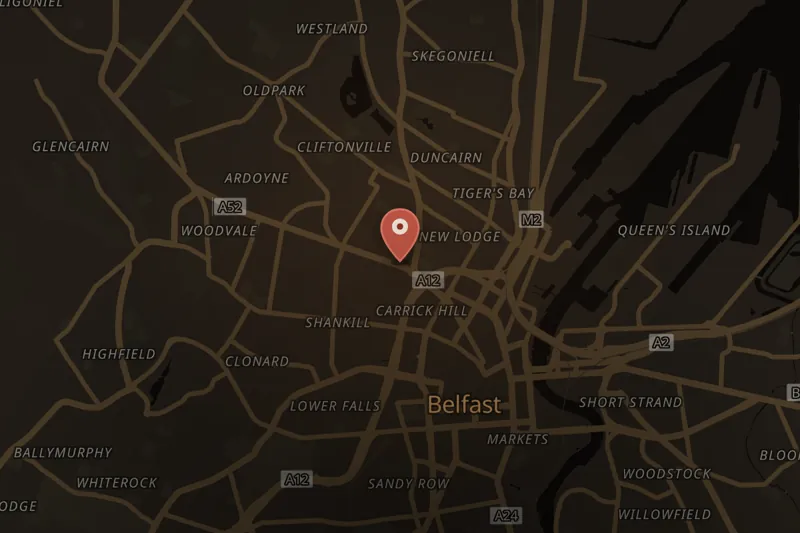
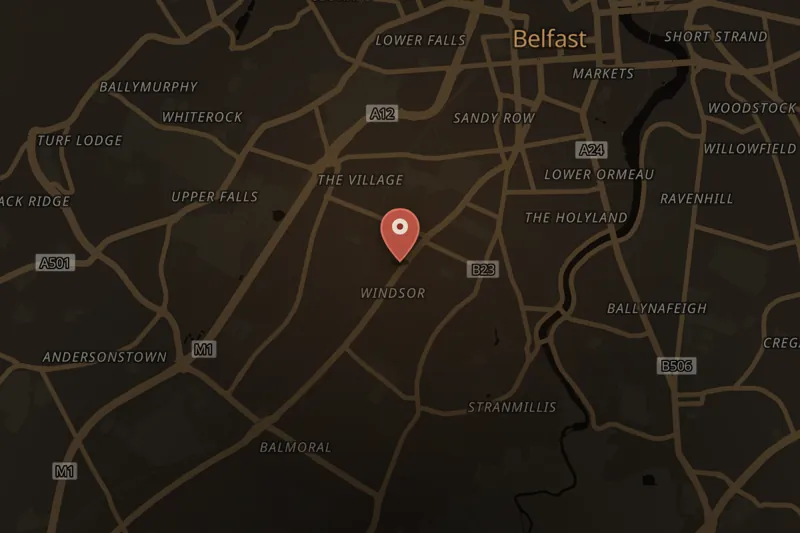
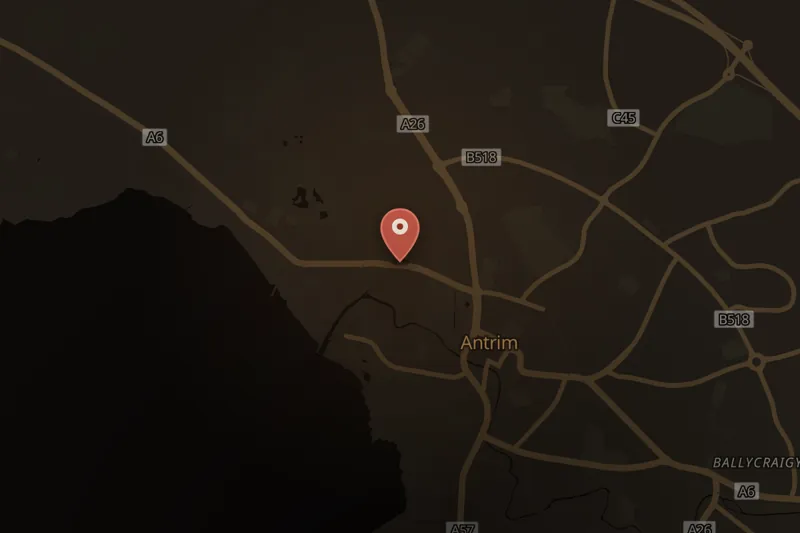
On the evening of Saturday 7 March 2009, four off-duty British soldiers of the Royal Engineers, part of the 38 Engineer Regiment, walked outside Massereene Barracks in Antrim, Northern Ireland, to collect a pizza delivery from two civilian deliverymen. As the exchange took place, two masked gunmen in a nearby car opened fire with automatic rifles, firing more than 60 shots over roughly 30 seconds. After the initial burst, the gunmen approached the wounded men on the ground and fired again at close range, killing two soldiers. The two soldiers killed were Sapper Mark Quinsey, from Birmingham, and Sapper Patrick Azimkar, from London. The other two soldiers and the two delivery men were wounded. The soldiers had been due to deploy to Afghanistan the following day. The stolen getaway car was later found abandoned near Randalstown, about eight miles from the barracks.
A caller using a recognised Real IRA codeword contacted the Sunday Tribune newspaper to claim responsibility on behalf of the Real IRA, stating that the delivery men were considered legitimate targets because they were "collaborating with the British by servicing them." The attack marked the first British military fatalities in Northern Ireland since 1997. Two days later, on 9 March 2009, the Continuity IRA shot dead PSNI officer Stephen Carroll in Craigavon, County Armagh — the first killing of a Northern Ireland police officer by paramilitaries since 1998.
The shootings were widely condemned across Northern Ireland's political spectrum, by the Irish and US governments, and by Pope Benedict XVI. Public vigils and silent protests were held in the days following the attack, including a large demonstration on 11 March 2009.
In the investigation, the PSNI arrested three men on 14 March 2009, including Colin Duffy, a former IRA prisoner. All were released after a judicial review, though Duffy was immediately re-arrested and subsequently charged on 26 March 2009 with the murders of the two soldiers and the attempted murder of five others; prosecutors alleged his DNA was found on a latex glove in the getaway vehicle and that soil in the car matched soil at the scene. Brian Shivers was also charged with the murders and attempted murder of six others, along with firearms offences, and was arrested in Magherafelt in July 2009.
In January 2012, Shivers was convicted of the murders, while Duffy was acquitted. In January 2013, Northern Ireland's highest appeals court overturned Shivers's conviction. A retrial in May 2013 found Shivers not guilty, and he was released from custody. The retrial judge questioned the prosecution's theory regarding why the Real IRA would have selected Shivers, given his cystic fibrosis and his engagement to a Protestant woman. Shivers's solicitor described the case as a miscarriage of justice built on "tenuous scientific evidence." Massereene Barracks itself was closed in 2010 as part of a wider reduction of the British Army's presence in Northern Ireland.
 ONGOINGListen