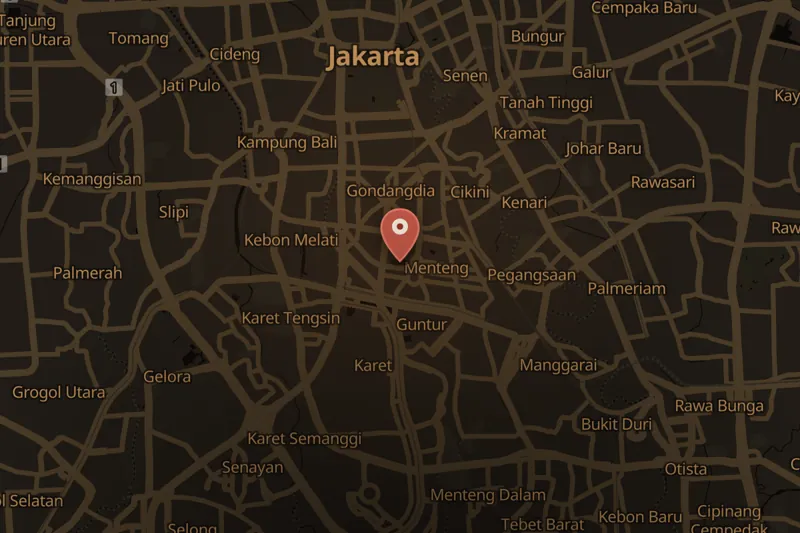
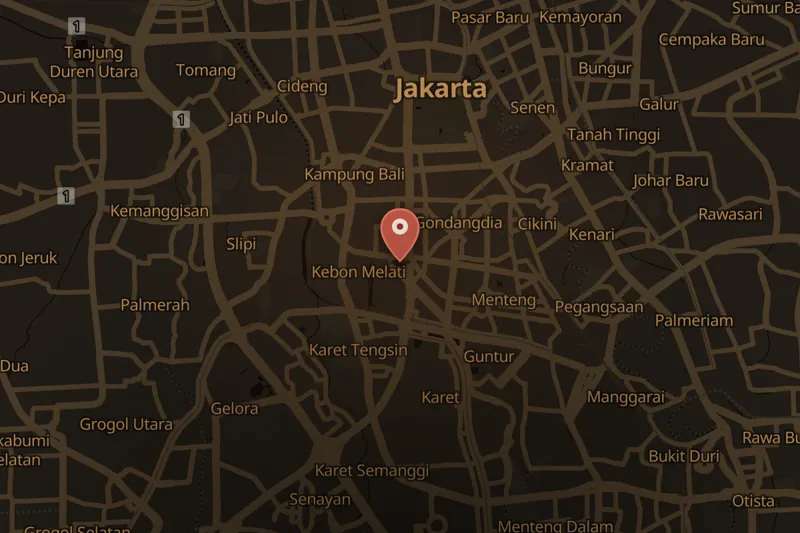
On 1 August 2000, at approximately 12:30 p.m., a bomb detonated outside the official residence of the Philippine ambassador to Indonesia, Leonides Caday, on Imam Bonjol Street in Menteng, Jakarta. The explosion killed two people — a street vendor and a guard assigned to the residence — and injured 21 others. Ambassador Caday was treated in hospital for head and hand injuries.
Accounts of the exact mechanism of the attack differed. Some witnesses believed the blast originated from the ambassador's own vehicle as it entered the residence, but police investigators theorized that a separate car parked near the entrance contained the bomb, which was detonated as Caday's Mercedes entered the driveway. The blast caused numerous shrapnel wounds, and at least four bystanders were taken to Jakarta hospitals with critical injuries. The ambassador's car was destroyed, and dozens of other vehicles on the street — home to several government offices and the residences of other foreign diplomats and senior officials — were damaged. A wing of the official residence and the office of Indonesia's national electoral commission both sustained moderate damage.
In the aftermath, Alexander Aguirre, national security adviser to then-Philippine President Joseph Estrada, said the bombing was the first time a Philippine diplomatic post had been attacked and that the government had not anticipated such an event. Security at the nearby Philippine Embassy, also on Imam Bonjol Street, was subsequently tightened.
Then-Indonesian President Abdurrahman Wahid suggested the bombing was connected to the Philippine government's military operations against Islamist rebel groups in Mindanao. However, the Moro Islamic Liberation Front issued a statement denying responsibility, and Abu Sayyaf, another group opposed to the Philippine government, did not claim the attack either.
Almost three years after the bombing, Indonesian police identified ten suspects, most of whom were described as known members of the regional militant network Jemaah Islamiyah. Riduan Isamuddin — also known for organizing the 2002 Bali nightclub bombings and who was later apprehended — was suspected of planning and financing the Jakarta attack.

 SOLVEDListen


