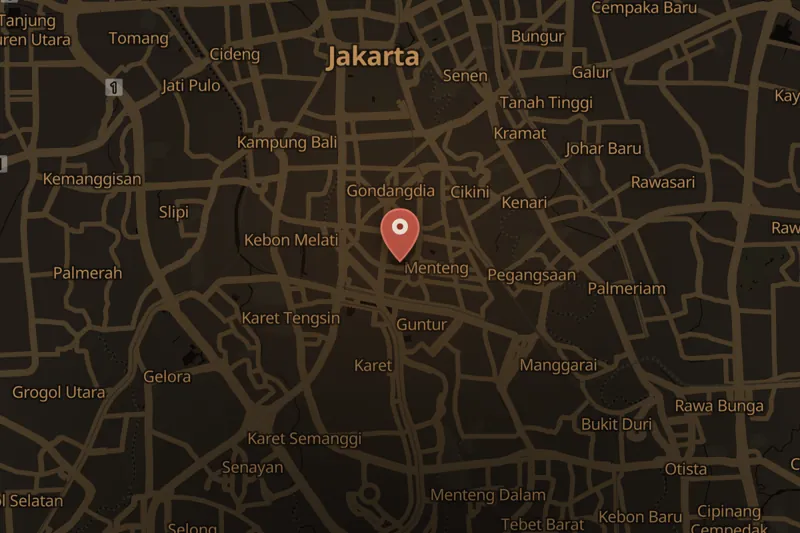
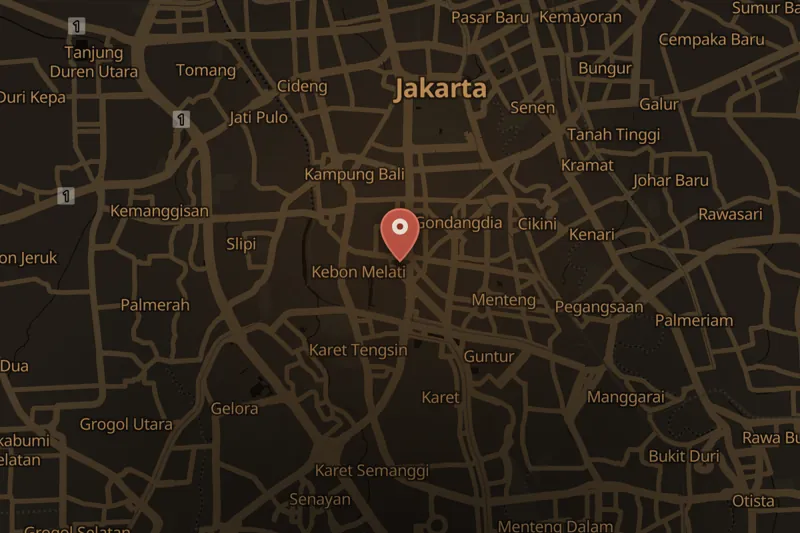
The Petrus killings — a portmanteau of the Indonesian phrase *penembakan misterius* ("mysterious shootings") — were a series of extrajudicial executions carried out in Indonesia between 1983 and 1985 during President Suharto's New Order regime. Undercover Indonesian Army death squads and secret police forces killed an estimated thousands of people identified as criminals or, in some cases, political dissidents, without due process. Bodies were placed in public locations, which had a terrorizing effect on the population. The killings were part of a government effort to reduce crime, and estimates of the total death toll vary widely, from 300 to 10,000.
The name "Petrus" is a backronym derived from *penembak misterius* (mysterious shooter), referencing the anonymous, undercover nature of the death squads. The killings were also known colloquially as "dar der dor," an onomatopoeia for gunshot sounds in Indonesian.
Suharto had taken power in 1967 and implemented "New Order" policies intended to distinguish his rule from the "Old Order" of predecessor Sukarno, including a strengthened, more influential military. The Petrus killings are cited as one of the most significant examples of violence associated with New Order authoritarianism, and have been compared to martial law under Ferdinand Marcos in the Philippines.
In the early 1980s, Indonesians began noticing an increase in dead bodies appearing in public spaces, with authorities initially withholding explanation. General Leonardus Benjamin Moerdani, commander of Indonesia's Armed Forces, first attributed the deaths to gang violence, later acknowledging government involvement while characterizing some killings as resulting from resistance to arrest. The operation was planned in March 1983 by Yogyakarta garrison commander Lt. Col. Mochamad Hasbi and later expanded elsewhere. Police intelligence supplied lists of suspected criminals and ex-prisoners; those who did not surrender to authorities for registration were hunted and killed by military squads. Many victims had tattoos, which publicly marked them as presumed criminals. The killings reportedly reduced crime rates, prompting expansion of the operations.
Suharto did not publicly acknowledge the military's role until his 1988 biography, in which he stated the incidents were not "mysterious" but a response to public fear, describing the use of force against those who "fought back."
No definitive death toll has been established. An initial 1983 estimate found 300 corpses nationwide, though this figure is considered likely understated given many victims remained unaccounted for. Indonesian criminologist Mulyana W. Kusumah estimated more than 2,000 deaths. In 1984, former Dutch Foreign Minister Hans van den Broek cited an estimate of around 3,000, while other reports have suggested figures as high as 10,000. Police operations against criminals in the late 1980s reportedly departed from this earlier pattern.


 SOLVEDListen