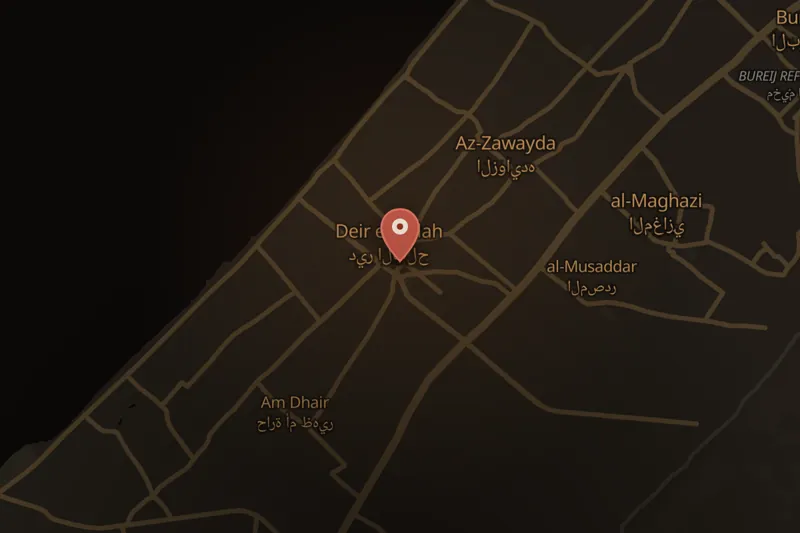
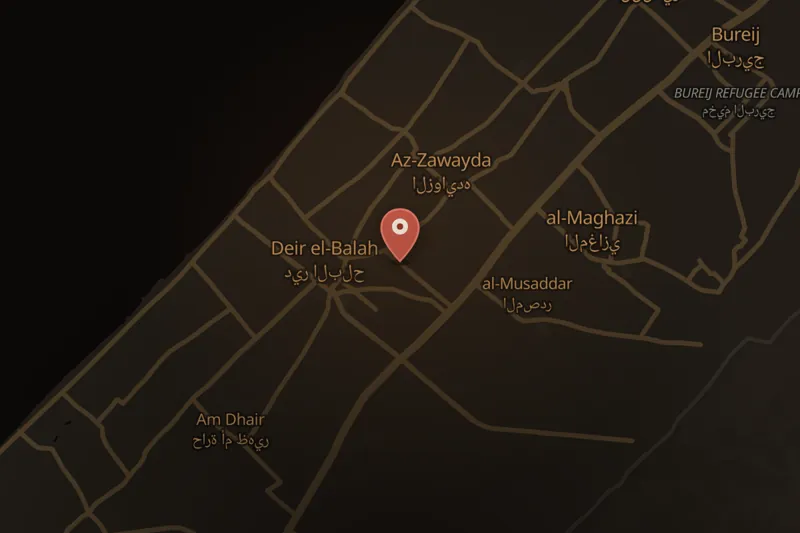
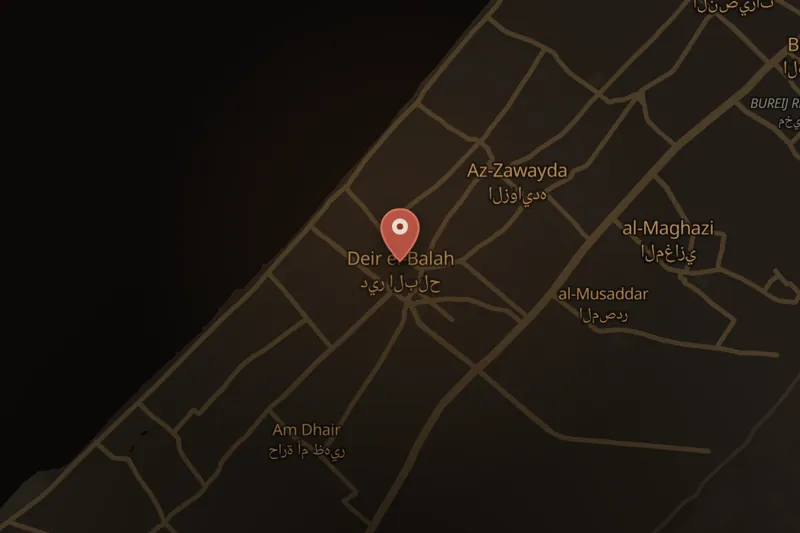
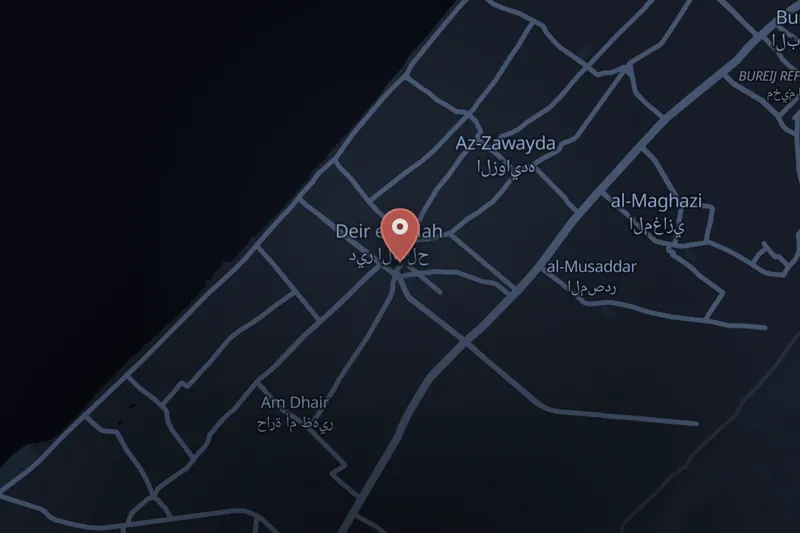
On the evening of 12 April 1984, four armed Palestinian men from the Gaza Strip boarded Egged bus route 300 as passengers near Ashdod and hijacked it shortly after departure, forcing it to head toward the Egyptian border. The hijackers, who said they were armed with knives and a suitcase containing two anti-tank rounds, demanded the release of 500 Arab prisoners held in Israel and safe passage to Egypt. A pregnant passenger was released early on and alerted authorities, prompting Israeli military forces to pursue the bus. Soldiers eventually disabled the bus by shooting out its tires near Deir el-Balah in the Gaza Strip.
A lengthy standoff followed, attended by senior Israeli officials including Defence Minister Moshe Arens, Chief of Staff Moshe Levi, and Shin Bet director Avraham Shalom. Early on 13 April, Sayeret Matkal commandos led by Doron Kempel stormed the bus. Two hijackers were killed during the raid, and a 19-year-old hostage, soldier Irit Portuguez, was also killed by gunfire during the operation; seven other passengers were wounded. The remaining two hijackers were captured alive, bound, and beaten by onlookers. Shin Bet chief Avraham Shalom ordered Shin Bet chief of operations Ehud Yatom to execute the two captured men, who were then driven to an isolated location and beaten to death with rocks and iron bars.
Israeli military censorship initially suppressed reporting on the hijacking, and early accounts claimed all four hijackers had died during the takeover. This version was contradicted days later when the newspaper Hadashot cited a New York Times report, and later published a photograph by Alex Levac showing one hijacker alive and in custody after the raid. The photograph caused public uproar and demands for an investigation.
A secret 1984 inquiry led by Reserve General Meir Zorea was followed by a 1985 trial of Brigadier General Yitzhak Mordechai, who had led the takeover operation, and eleven others, on charges related to the deaths of the two captured hijackers; Mordechai was acquitted and charges against the others were dropped. In 1986, former Shin Bet deputy chief Reuven Hazak and colleagues Rafi Malka and Peleg Raday alleged that Avraham Shalom had ordered the killings and coordinated false testimony implicating Mordechai. Attorney General Yitzhak Zamir opened a criminal investigation but was forced to resign in May 1986 after refusing to halt it. President Chaim Herzog subsequently issued a pardon to Shalom and four other Shin Bet officers, which the Supreme Court upheld in August 1986. The affair damaged Shin Bet's public standing and led to the Landau Commission's inquiry into the agency's interrogation practices, which found that Shin Bet members routinely committed perjury in court. In 1996, Yatom publicly stated in a newspaper interview that he had killed the two men on Shalom's direct order.

 UNSOLVEDListen