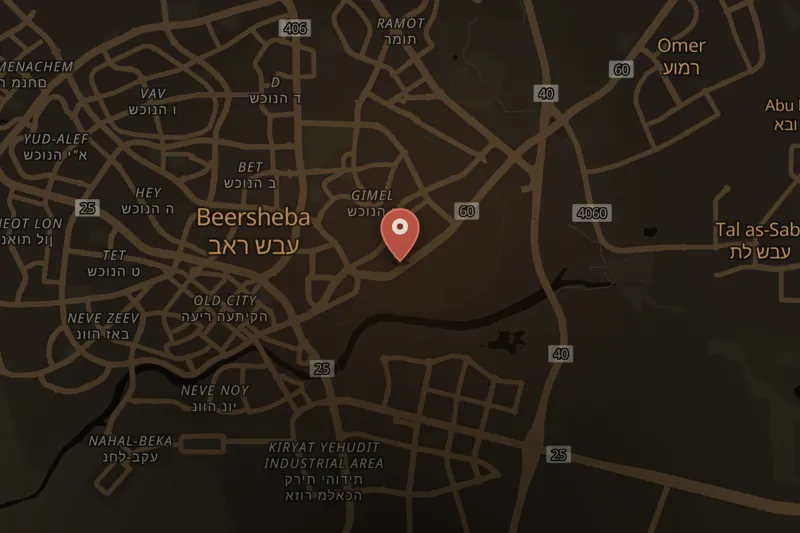
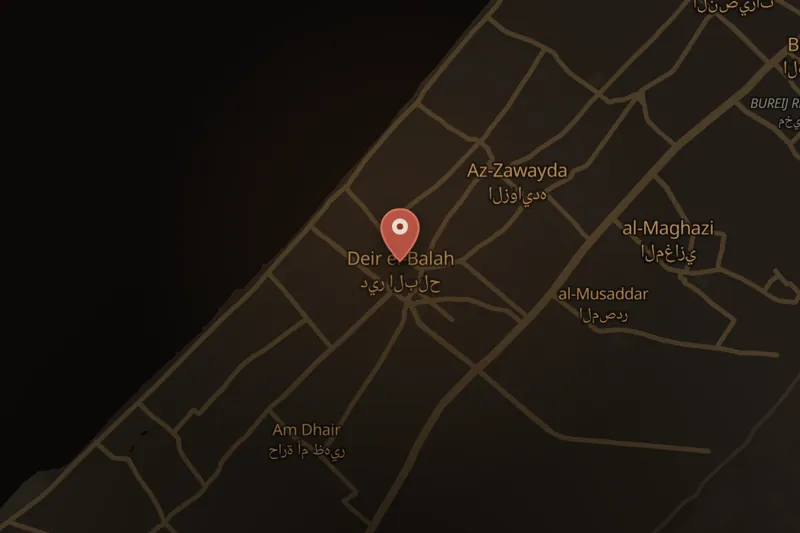
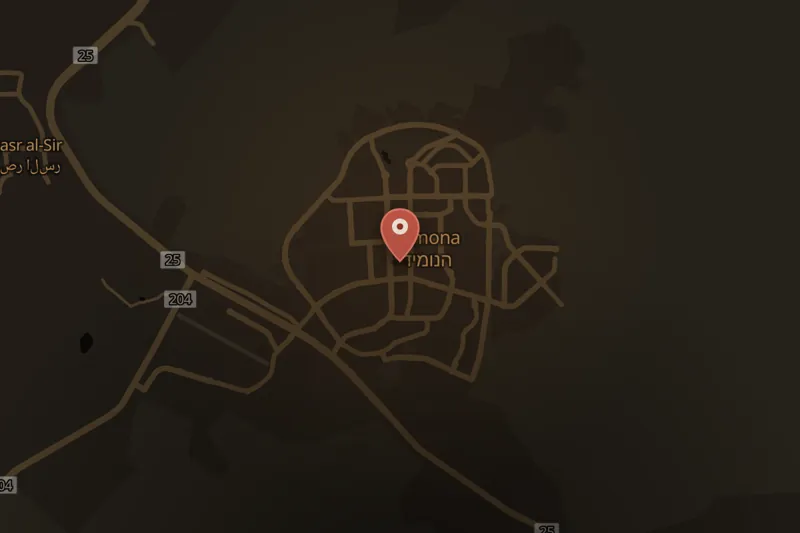
On the night of Monday, 7 March 1988, three armed members of the Palestine Liberation Organization crossed the border between Egypt and Israel near Ramat Nafha, a desert area west of Mitzpe Ramon. Armed with AK-47 rifles, a Carl Gustav M/45 submachine gun, and hand grenades, they opened fire around 6:30 a.m. on a white Renault carrying four unarmed soldiers traveling to a training exercise. The soldiers fled on foot, and the gunmen commandeered the vehicle, driving north toward Sde Boker and then west onto the highway connecting Beersheba and Dimona.
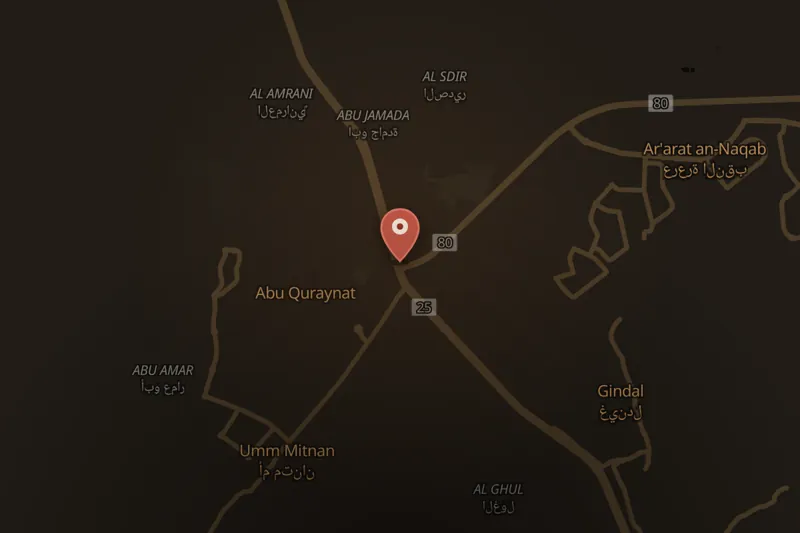
The escaping soldiers alerted authorities, and police established roadblocks along the anticipated route. Around 7:15 a.m., the gunmen crashed through a roadblock near the Dimona–Yeruham junction and began firing indiscriminately as police pursued them. They fired on a mini-van carrying four schoolteachers, who escaped when their driver accelerated past the attackers, and also fired on a stopped semi-trailer. At approximately 8:00 a.m., a bus carrying workers to the Negev Nuclear Research Center near Dimona arrived at the scene near the Bedouin village of Aroer. The hijackers opened fire on the bus; some passengers escaped on foot, but the attackers took control of the bus with 11 passengers still aboard, including ten women and one man.
Israeli police and army units surrounded the site, and Haim Benayoun, commander of the Negev police region, began negotiations. Yamam, Israel's elite police counter-terrorism unit, arrived before the army's Sayeret Matkal unit, whose helicopters had received incorrect location information. Overall command fell to Major General Yitzhak Mordechai. The hijackers demanded release of PLO prisoners held due to the uprising and gave a 30-minute ultimatum for a Red Cross representative to appear, threatening to execute hostages otherwise. Yamam gathered intelligence from escaped passengers and positioned snipers while commander Alik Ron prepared an assault plan.
As the ultimatum expired, the hijackers shot out bus windows and threw an unexploded grenade at surrounding forces. At 10:25 a.m., they shot and killed hostage Victor Ram, a 39-year-old father of three, and Miriam Ben-Yair, 46, a mother of four. Mordechai then ordered Yamam to storm the bus. In a 30–40 second operation, Yamam snipers fired while fighters breached the bus from three directions using stun grenades, killing all three hijackers. Before being killed, the hijackers fatally shot a third hostage, Rina Shiratky, 31, a mother of two. Eight other hostages sustained light wounds.
The attack is described as the first instance of classical terrorist tactics against Israeli civilians during the First Intifada, previously characterized by civil disobedience and protest. Israeli officials, including Prime Minister Yitzhak Shamir and Defense Minister Yitzhak Rabin, cited the incident as evidence of PLO-directed terrorism. Palestinian figures, including Sari Nusseibeh, expressed concern the attack would undermine international sympathy for the uprising. It marked the first operational deployment of Yamam over Sayeret Matkal for such an incident. Israeli intelligence attributed planning of the hijacking to PLO military leader Khalil al-Wazir, reportedly a factor in a subsequent operation against him in Tunis.


 SOLVEDListen