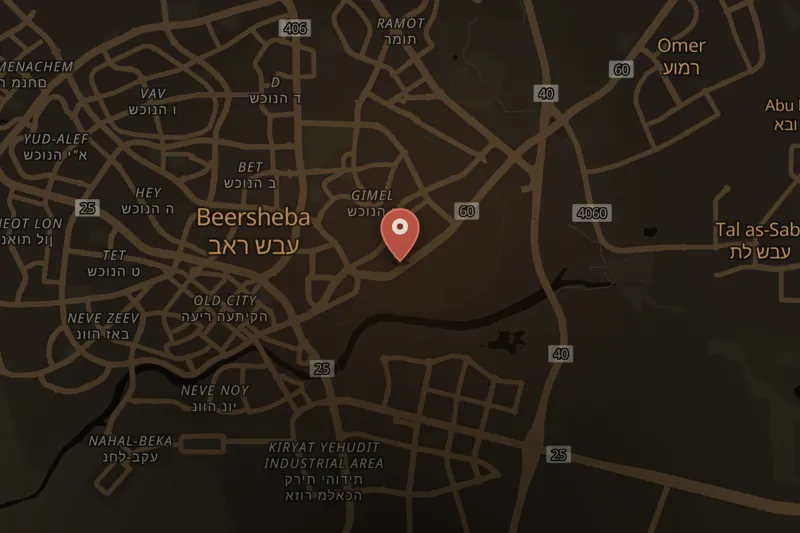
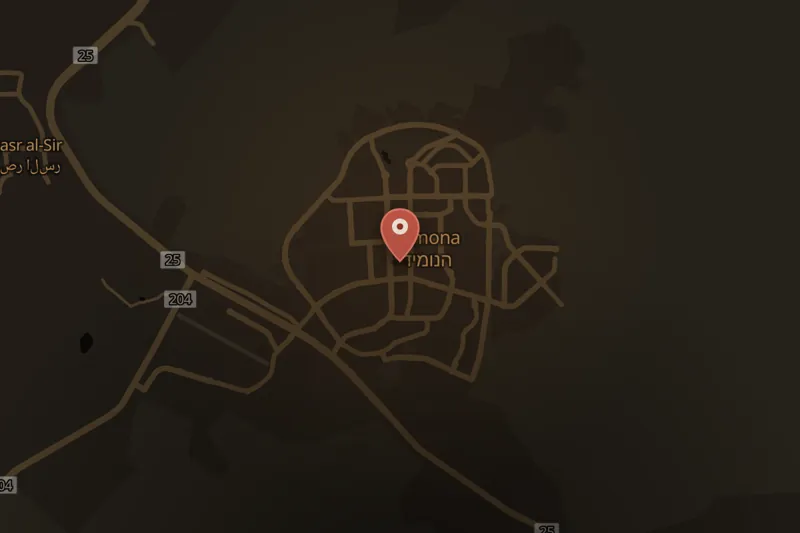
On February 4, 2008, a Palestinian militant detonated an explosives belt at a shopping centre in Dimona, Israel. Israeli police shot dead an accomplice who had been wounded in the initial blast before he could detonate his own explosives belt. One Israeli woman was killed and nine other people were injured, one of them critically. This was the first suicide attack to result in Israeli civilian casualties since the January 29, 2007 Eilat bombing.
In the immediate aftermath, the al-Aqsa Martyrs' Brigades and the Popular Front for the Liberation of Palestine both claimed responsibility, but the two Gazans they identified as the attackers did not match the bodies recovered at the scene. On February 5, 2008, Hamas claimed responsibility for the attack, naming the perpetrators as Muhammed Herbawi and Shadi Zghayer, both from Hebron in the West Bank, the city from which they are believed to have traveled. According to Israeli intelligence, the attack was ordered by Izzedine al-Qassam Brigades commander Ahmed Jabari with the support of Gaza-based Hamas leader Mahmoud al-Zahar. Jabari is said to have contacted an ally in Hebron's Qawasameh clan, Ayoub Qawasmeh, who recruited the eventual perpetrators from a local Hamas-affiliated soccer team. Researcher Scott Atran has stated that the Hamas politburo in Damascus was not informed of the operation in advance. Israel demolished the homes of Herbawi and Zghayer, and the al-Aqsa Martyrs' Brigades website went offline for three days following its now-discredited claim of responsibility.
On July 26, 2008, Israel Defense Forces and Israeli police forces killed Shihab Natsheh, 25, a Hamas member from Hebron whom the IDF identified as the explosives engineer responsible for preparing the demolition charge used in the Dimona bombing.
The attack drew condemnation from multiple governments. Israeli Prime Minister Ehud Olmert told a meeting of his Kadima party that Israel was fighting a "relentless war... against anyone who tries to harm Israeli citizens." Hamas spokesman Ayman Taha praised the bombing as a "glorious act" and described it as a "natural reaction to months of killing" of Palestinians by the Israeli military. United Kingdom Foreign Secretary David Miliband condemned the attack, calling it the first such attack in Israel in a year and stating that it aimed to undermine the peace process. United States Department of State spokesman Sean McCormack also condemned the attack, emphasizing the need for international support toward a political agreement between Israelis and Palestinians.

 Credit: Ephraim Lapid / IDF Spokesperson's UnitCC BY-SA 3.0SourceSOLVEDListen