Active case
Ma'ale Akrabim massacre

On the night of 16 March 1954, a bus operated by the Egged Israel Transport Cooperative Society was making an unscheduled overnight journey from Eilat to Tel Aviv. As it ascended the steep, winding grade known as Ma'ale Akrabim (Scorpions' Pass), located on the old Eilat–Beersheba road roughly 60 miles south of Beersheba, it was ambushed by gunmen. The attackers shot and killed the driver and passengers who attempted to flee, then boarded the bus to shoot and rob the remaining occupants.
Both the driver, Kalman Esroni, and the alternate driver, Efraim Firstenberg, were killed, along with seven male passengers and two female passengers. Among those killed was Efraim Firstenberg's wife, Hannah, who was raped outside the bus and then killed in the sand. Four passengers survived: two Israeli soldiers, a woman, and a five-year-old girl, Miri Firstenberg, the daughter of Efraim and Hannah Firstenberg. One of the soldiers on the bus shielded Miri and her nine-year-old brother, Chaim, with his own body during the attack. After the attackers left the bus, Chaim got up and called out to ask his sister if the attackers were gone; the gunmen heard his voice, returned, and shot him in the head. He never regained consciousness and remained in a state of paralysis and partial recognition for 32 years until his death on 4 September 1986 at age 42, making him the twelfth fatality of the massacre.
The following day, Israeli trackers, assisted by police dogs and accompanied by United Nations observers, followed the attackers' tracks to a point six miles west of the Jordanian border, where the trail was lost. Relying on informants, Israeli intelligence named three suspects from the Jordanian village of Ghor es-Safi, and the names were passed to UN observer Elmo Hutchison. Jordanian authorities continued their own efforts to identify the perpetrators.
Despite domestic pressure for military retaliation against Jordan, Israeli Prime Minister Moshe Sharett favored restraint, partly out of concern for Israel's international image following the earlier Qibya raid. Israel nonetheless authorized a "limited" military response, and on 28 March 1954 the Israel Defense Forces carried out Operation Lion against the village of Nahhalin, in which Israeli paratroopers killed several National Guardsmen, Jordanian soldiers, the village mukhtar, and a woman. Israel sought a formal condemnation of Jordan from the Jordan–Israel Mixed Armistice Commission, but the commission's chairman abstained for lack of conclusive proof, leading Israel to withdraw from the body.
Alternative theories placed responsibility on Bedouin from Gaza, the Sinai, or within Israel itself; a related identification document was later found in Gaza during the 1956 Suez Crisis. In 1968, Israeli special forces killed a man identified as the group's leader in a clash in the Sinai. In 2007, a reconstructed bus was placed in the Eilat City Museum as a memorial.

Key facts
- Victims
- Chaim Firstenberg, Miri Firstenberg, Efraim Firstenberg, Hannah Firstenberg, Kalman Esroni
- Date
- 1954
- Location
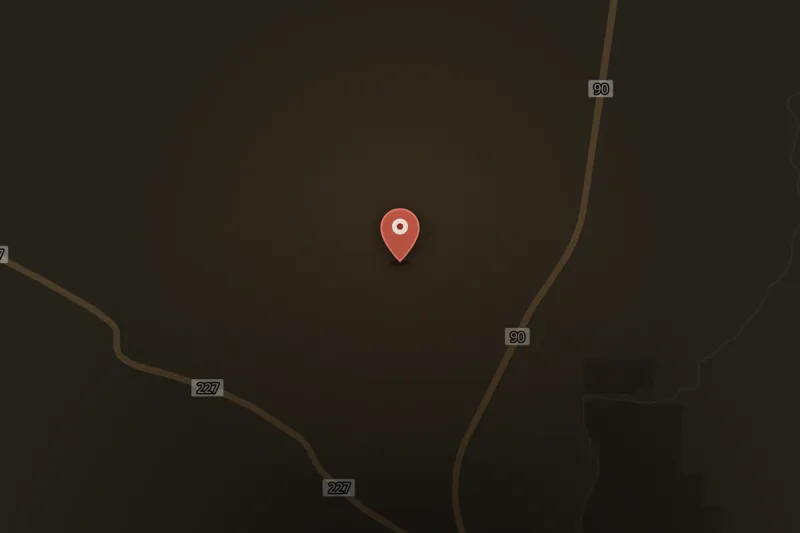
- Ma'ale Akrabim (Scorpions' Pass), on the old Eilat–Beersheba road
- Case status
- unsolved
Case timeline
1954-03-16
Egged bus departs Eilat on an unscheduled overnight journey toward Tel Aviv.
1954-03-17
Bus is ambushed while ascending Ma'ale Akrabim (Scorpions' Pass); eleven passengers and both drivers are killed, four passengers survive.
1954-03-28
Israel Defense Forces conduct Operation Lion, a retaliatory raid on the village of Nahhalin.
1956
An ID linked to the Ma'ale Akrabim incident is found in Gaza by Israeli troops during the Suez Crisis.
1968
Israeli Sayeret Shaked forces kill Said Abu Bandak, identified as the group's leader, in a clash in the Sinai.
1986-09-04
Chaim Firstenberg dies at age 42, having never regained consciousness after being shot in the head during the 1954 attack; recorded as the twelfth fatality.
2007
A reconstructed bus commemorating the attack is placed in the Eilat City Museum.
Best coverage
No approved coverage links are attached yet.
People
Chaim Firstenberg
VICTIMNine-year-old passenger shot in the head after the attackers returned to the bus; died 32 years later on 4 September 1986 without regaining consciousness, the twelfth fatality of the massacre.
Said Abu Bandak
CHARGEDIdentified by Israeli sources as the leader of the group that carried out the attack; killed by Israeli special forces in 1968 in a clash in the Sinai. No formal prosecution or conviction is recorded in the source.
Miri Firstenberg
VICTIMFive-year-old passenger who survived the attack, shielded by a soldier; daughter of Efraim and Hannah Firstenberg.
Efraim Firstenberg
VICTIMAlternate bus driver killed in the attack.
Hannah Firstenberg
VICTIMPassenger raped outside the bus and killed; wife of alternate driver Efraim Firstenberg.
Elmo Hutchison
LAW ENFORCEMENTUN observer and Chairman of the Jordan–Israel Mixed Armistice Commission who received suspect names from Israeli intelligence and later abstained from a commission decision citing lack of conclusive proof.
Kalman Esroni
VICTIMBus driver killed in the attack.
Roles reflect public records and court outcomes at the time of writing — supporting citations are on file under Sources.
Places
Common questions
- What happened to the victim?
- On 17 March 1954, gunmen ambushed an Israeli bus climbing the Ma'ale Akrabim (Scorpions' Pass) grade between Eilat and Tel Aviv, killing eleven passengers and the two drivers on site; a twelfth victim, a boy shot in the head, died 32 years later without regaining consciousness. Four passengers survived.
- Where did the massacre happen?
- Ma'ale Akrabim (Scorpions' Pass), on the old Eilat–Beersheba road.
- What is the current status of the case?
- Status: unsolved.
Sources
- PRESSStatement to the Knesset by PM Sharett on the Ma'aleh Akrabim incidentJewish Virtual Library · 2026-07-11
- ENCYCLOPEDICMa'ale Akrabim massacreWikipedia · 2026-07-10
- PRESSContemporaneous coverage — TIMETIME · 2026-07-10