Skip to content
Casepin

Unsolved case · 1956

Ein Ofarim killings

Also known as 1954–55 incidents

UNSOLVED
Updated
Updated Jul 14, 2026
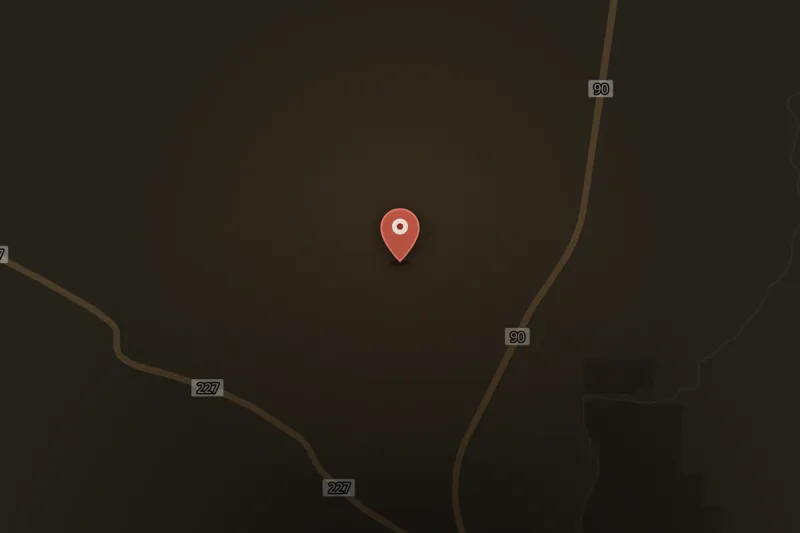
Ein Ofarim oil-drilling camp, near HatzevaView on the map

The short answer

Ein Ofarim killings in brief

On the night of 12 September 1956, a Palestinian Fedayeen squad infiltrated Israel from Jordan and killed three Druze watchmen at the Ein Ofarim oil-drilling camp near Hatzeva, triggering an Israeli cross-border reprisal raid.

Key facts

Year
1956
Place
Ein Ofarim oil-drilling camp, near Hatzeva
Status
UNSOLVEDUnsolved
Victims
Nawaf Abu-Ghazi, Rafik Abdullah and Suleiman Hatoum
Outcome
No conviction on file

The coverage index

Where to watch & listen

No one's coverage is attached to this file yet.

Know great coverage of this case?

A documentary, a podcast episode, a careful long-form video. Suggest it and an editor will review it before it appears here.

Suggest coverage for Ein Ofarim killings

The case file

What happened

On Wednesday night, 12 September 1956, a squad of Palestinian Fedayeen crossed into Israel from Jordan and attacked the Ein Ofarim oil-drilling camp located near the village of Hatzeva. The attack occurred while other camp personnel were away from the site on a grocery-shopping trip, leaving three Druze watchmen at the camp. The militants killed all three watchmen; one victim was killed in his room. According to the available account, the bodies of the guards were stabbed, and the attackers stole their guns before withdrawing.

The three men killed were identified as Nawaf Abu-Ghazi, aged 25; Suleiman Hatoum, aged 25; and Rafik Abdullah, aged 23. They were buried in their hometown of Sumei, and were later commemorated on Mount Herzl, Israel's national military and civilian cemetery.

Following the killings, the Israeli Prime Minister consulted with the Cabinet and decided on a reprisal raid against Jordan. Planners assessed that the nearest Jordanian police fort was topographically difficult to approach, and instead selected a police fort at Gharandal, roughly 80 kilometers away, as the target of the retaliatory operation. During this reprisal raid, reports vary on the exact death toll among Jordanian forces: either 9 or 13 Jordanian police and members of a desert camel patrol unit were killed, along with two civilians. On the Israeli side, the Israel Defense Forces reported one soldier killed and twelve wounded during the operation. The police station at Gharandal and nearby structures were destroyed in the raid.

This case sits within the broader pattern of cross-border infiltration attacks and Israeli reprisal operations that characterized the Israeli-Jordanian frontier in the mid-1950s, a period marked by recurring cycles of Fedayeen raids into Israel and retaliatory military action by Israeli forces against targets in Jordan. No individuals have been publicly charged, tried, or convicted in connection with the killing of the three watchmen, and the case record available here does not name any of the perpetrators.

The documentation of this case relies on a single detailed English-language source.

2 dated entries · 1956

Timeline

  1. Palestinian Fedayeen squad infiltrates from Jordan and attacks the Ein Ofarim oil-drilling camp near Hatzeva, killing three Druze watchmen.

  2. Israeli Prime Minister, after consulting the Cabinet, orders a reprisal raid on a Jordanian police fort at Gharandal, approximately 80 kilometers away.

3 named in this file

People

Victims first. Every legal label is set from public records and court outcomes, not from the prose.

  • Nawaf Abu-Ghazi

    VICTIM

    Druze watchman, aged 25, killed in the attack on the Ein Ofarim camp on 12 September 1956; buried in Sumei and commemorated on Mount Herzl.[3]

  • Rafik Abdullah

    VICTIM

    Druze watchman, aged 23, killed in the attack on the Ein Ofarim camp on 12 September 1956; buried in Sumei and commemorated on Mount Herzl.[3]

  • Suleiman Hatoum

    VICTIM

    Druze watchman, aged 25, killed in the attack on the Ein Ofarim camp on 12 September 1956; buried in Sumei and commemorated on Mount Herzl.[3]

3 cited

Sources

Coverage is not a source: every fact in this file rests on the records below.

  • 2 Press
  • 1 Encyclopedic
  1. Contemporaneous coverage — nli.org.il

    Pressnli.org.ilAccessed Jul 7, 2026

  2. Contemporaneous coverage — kotar.cet.ac.il

    Presskotar.cet.ac.ilAccessed Jul 7, 2026

  3. Ein Ofarim killings

    EncyclopedicWikipediaAccessed Jul 7, 2026

Trust

Record history

First published
Jul 7, 2026
Last verified against sources
Jul 7, 2026
Corrections
None

Are you family of someone named in this file? Corrections and removal requests from victims’ families are prioritized.