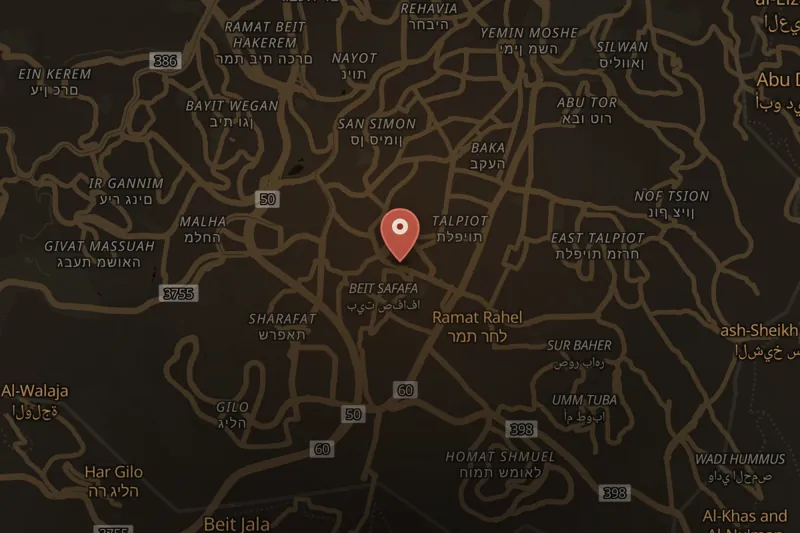
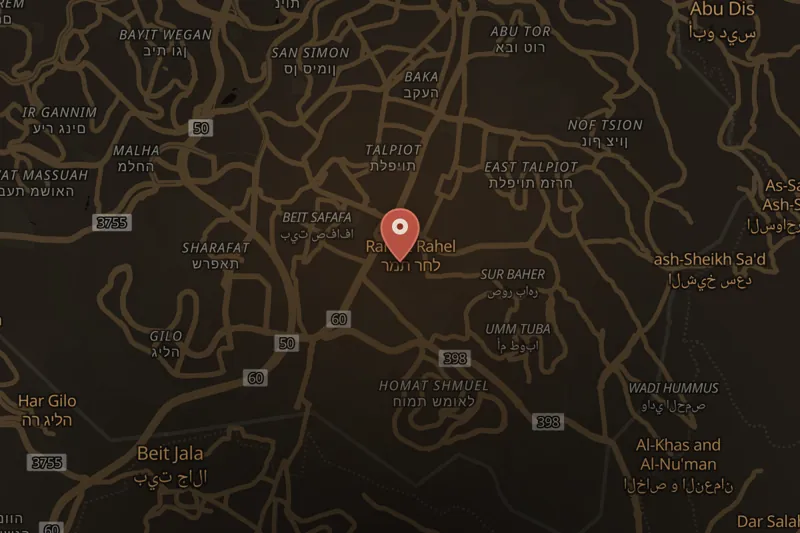
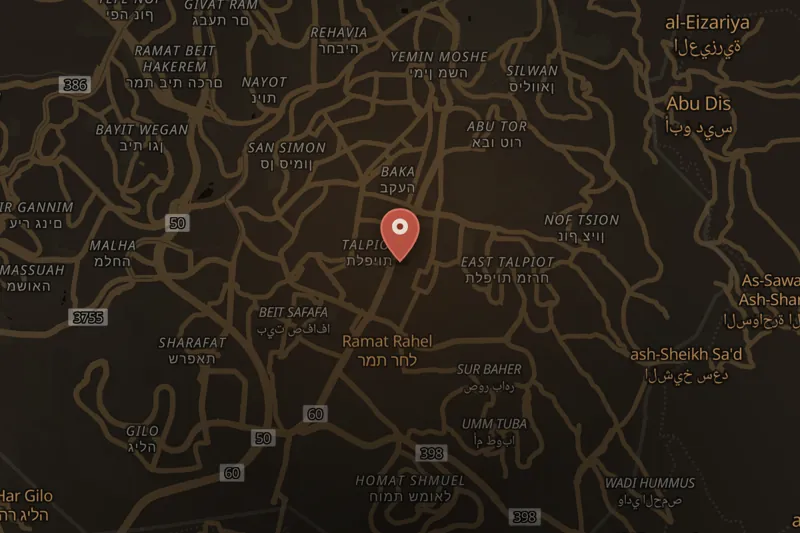
On Sunday, 23 September 1956, a tour was being held for a group of Israeli archaeologists at archaeological excavations near Kibbutz Ramat Rachel, within Israeli sovereign territory. During the tour, machine-gun fire was opened on the group from Jordanian positions near Mar Elias Monastery, close to the Jerusalem–Bethlehem road.
The gunfire killed four people, including the archaeologist Jacob Pinkerfeld, and wounded 16 others. One additional person who was seriously injured in the attack later died of his wounds, approximately five years afterward.
In the aftermath, Jordan issued a statement expressing regret for the incident, attributing it to a single soldier described as having been "suddenly taken by madness." Israel's foreign ministry rejected this account as "completely unfounded," citing witnesses at the scene who stated that two submachine guns and three rifles were clearly seen firing from two separate Jordanian army outposts across the border toward the archaeologists at Ramat Rachel.
In response to the attack, the Israel Defense Forces carried out a counterattack, Operation Lulav, on 25 September 1956, targeting the Arab village of Husan near Bethlehem. The operation resulted in the deaths of 39 Jordanian soldiers and ten Israeli paratroopers.


 SOLVEDListen