Case file
Río Negro massacres
Documents violence · sexual violence · crimes against children · torture — written to inform, not to shock.

The Río Negro massacres were a series of killings carried out by Guatemalan military and paramilitary forces against Maya Achí villagers in the Baja Verapaz department between 1980 and 1982, during the Guatemalan Civil War. The killings were connected to resistance by residents of Río Negro against forced displacement caused by construction of the Chixoy hydroelectric dam, a project financed in large part by the World Bank and the Inter-American Development Bank. Communities were promised land of equal or better quality in exchange for relocation from the fertile Chixoy valley, but many found the resettlement areas lacked adequate farmland and water. When residents refused to relocate or returned to their original lands, the Guatemalan military and civil patrols responded with kidnappings, rape, and killings, which the government characterized as counterinsurgency operations against guerrilla sympathizers—a characterization survivors, local church workers, and journalists disputed.
According to the Guatemalan Commission for Historical Clarification (CEH), tensions escalated after a March 1980 incident in which a Policía Militar Ambulante officer killed several Río Negro residents and was in turn killed by villagers; the Army subsequently increased surveillance and began disappearing community leaders. The Army organized a Civil Patrol (PAC) in the neighboring village of Xococ, which was used against Río Negro. On February 13, 1982, 74 people from Río Negro who traveled to Xococ to retrieve confiscated identity documents were executed by the Xococ patrol. On March 13, 1982, a combined force of army soldiers and Xococ patrollers entered Río Negro, looted homes, forced women to dance, raped some of the women, and marched residents to a nearby hill where they tortured and killed them; CEH reporting states 177 people, including 70 women and 107 children, were killed in this action, with later exhumations recovering 143 skeletons from three graves. Additional massacres followed against Río Negro survivors and associated communities, including at Los Encuentros in May 1982 and Agua Fria in September 1982. In total, more than 440 Maya Achí were reported killed in Río Negro alone, and the broader string of killings across the region between 1980 and 1982 is estimated to have claimed up to 5,000 lives.
Legal accountability has been limited. In 1998, three former civil patrollers were convicted in connection with the March 13, 1982 massacre and initially sentenced to death; at a second trial in 1999 they were resentenced to 50 years' imprisonment. Cases against 45 other civil patrollers reportedly remained open without charges being brought, and no military officials who planned or ordered the massacres have faced prosecution according to the source material. In 1999, the CEH concluded that the Río Negro massacres constituted state-sponsored genocide under the UN Genocide Convention. Survivors, including Jesús Tecú Osorio and Carlos Chen Osorio, have testified in legal proceedings and helped found the organization ADIVIMA, which works on exhumations and advocacy for reparations. A 2005 petition regarding the massacre remains before the Inter-American Commission on Human Rights. Many survivors now live in the resettlement community of Pacux near Rabinal, where researchers report continued economic hardship and limited access to land and services.

Key facts
- Victims
- Jesús Tecú Osorio, Carlos Chen Osorio
- Date
- 1980
- Location
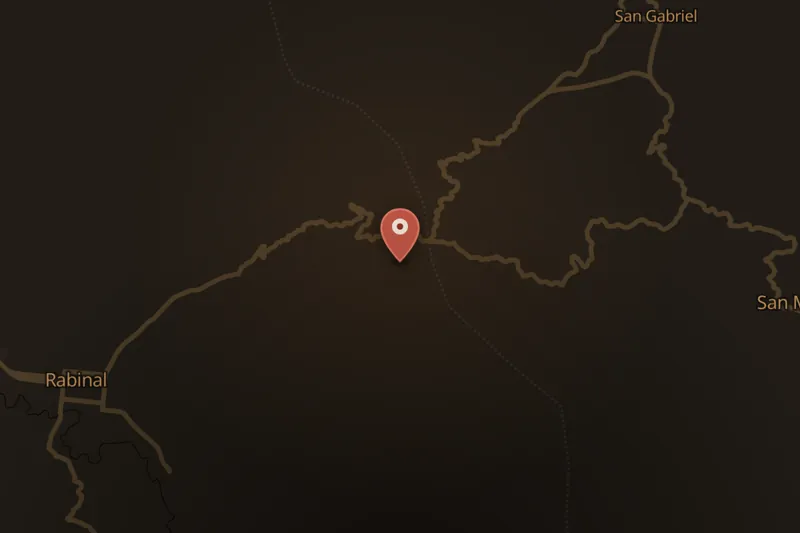
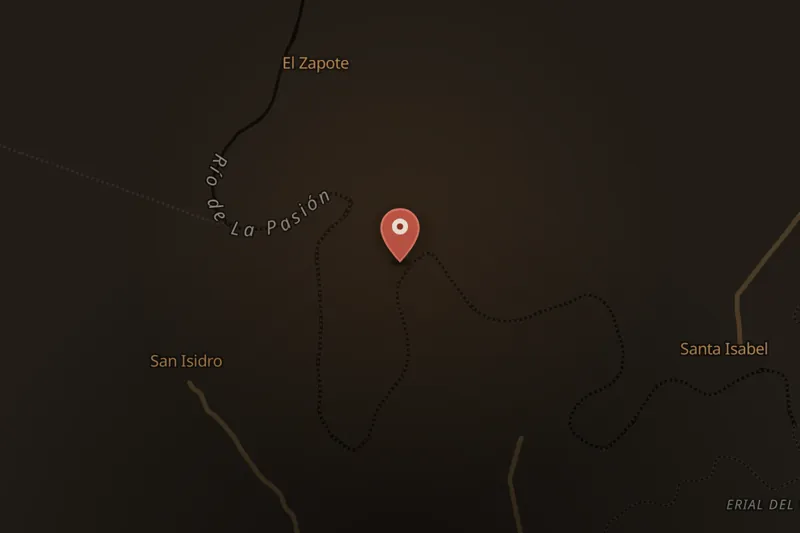
- Río Negro village, Rabinal, Baja Verapaz, Guatemala
- Case status
- solved
Case timeline
1978-06
Guatemalan government declares a national emergency over the flood zone for the Chixoy dam and begins relocating affected communities, including Río Negro, promising equal or better replacement land.
1980-03-05
A Policía Militar Ambulante officer kills several Río Negro residents in a confrontation; villagers kill the officer; Army begins characterizing Río Negro as guerrilla-influenced.
1981
Selective disappearances of Río Negro community leaders begin; military threatens residents over an alleged missing weapon.
1982-02-07
The Xococ Civil Patrol, organized by the Army, summons Río Negro residents and confiscates their identity cards.
1982-02-13
74 residents of Río Negro (55 men, 19 women) traveling to Xococ to retrieve their identity cards are executed by Xococ patrollers.
1982-03-13
Army soldiers and Xococ patrollers enter Río Negro, loot homes, rape women, and march residents to Pacoxom hill, where 177 people (70 women, 107 children) are tortured and killed.
1982-05-14
Army attacks the community of Los Encuentros, where Río Negro survivors had taken refuge, killing 79 peasants and disappearing 15 women.
1982-09-14
Soldiers and Xococ patrollers kill 92 people, including elderly, women, and children, at Agua Fria, another refuge for Río Negro survivors.
1993-08-23
Four community members, advised by the Mutual Support Group (GAM), formally report the massacre facts to the courts.
1994-07-25
Three members of the Civil Patrols who participated in the March 13 massacre are arrested and indicted.
1994-10-07
Exhumation of mass graves is conducted, recovering 143 skeletons, 85 of which belonged to children.
1998-11-30
Trial court in Rabinal convicts three former Xococ Civil Patrol members and imposes an initial death sentence for the March 13, 1982 massacre.
1999
At a second trial, the three convicted patrollers are resentenced to 50 years' imprisonment; the Guatemalan Truth Commission (CEH) issues findings that the massacres constituted state-sponsored genocide.
2004
The Centre on Housing Rights and Evictions (COHRE) files a petition before the Inter-American Commission on Human Rights against Guatemala and World Bank/IDB member states over the Chixoy dam-related violence.
2005
A petition on the Río Negro massacre is filed with the Inter-American Commission on Human Rights and remains in the admissibility stage.
Best coverage
No approved coverage links are attached yet.
People
Jesús Tecú Osorio
VICTIMSurvivor of the Río Negro massacres who was a child at the time of the attacks; later testified about the killing of family members and co-founded ADIVIMA.
citation on file
Carlos Chen Osorio
VICTIMSurvivor of the Río Negro massacres who described the destruction of the village and loss of relatives; later worked with ADIVIMA.
citation on file
Places
Common questions
- What happened to the victim?
- Between 1980 and 1982, Guatemalan military and army-organized civil patrol forces killed Maya Achí residents of the village of Río Negro amid conflict over land displaced by the Chixoy hydroelectric dam, with more than 440 villagers killed in Río Negro alone.
- Where did the crime happen?
- Río Negro village, Rabinal, Baja Verapaz, Guatemala.
- What is the current status of the case?
- Status: solved.
Sources
- Río Negro massacreswikipedia · Wikipedia · 2026-07-07
- Contemporaneous coverage — shr.aaas.orgnews · shr.aaas.org · 2026-07-07
- Contemporaneous coverage — advocacynet.autoupdate.comnews · advocacynet.autoupdate.com · 2026-07-07